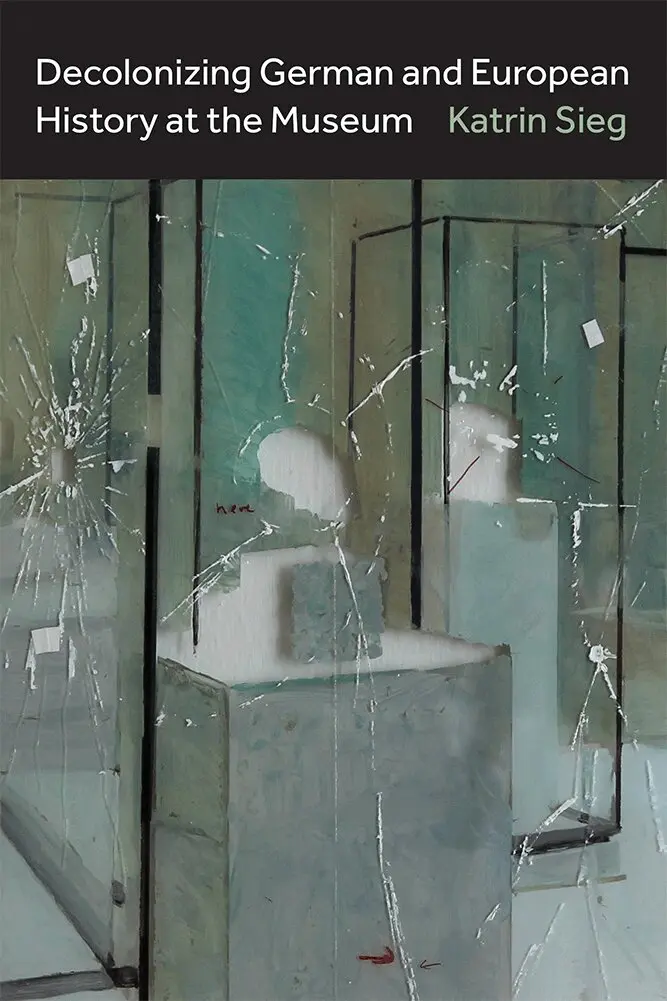
Häftad, Engelska, 2021
Decolonizing German and European History at the Museum
Av Katrin Sieg
Del i serien Social History, Popular Culture, and Politics in Germany
455 kr
Beställningsvara. Skickas inom 7-10 vardagar. Fri frakt över 249 kr.
Beskrivning
Produktinformation
- Utgivningsdatum: 2021-12-06
- Mått: 152 x 229 x 23 mm
- Vikt: 674 g
- Format: Häftad
- Språk: Engelska
- Serie: Social History, Popular Culture, and Politics in Germany
- Antal sidor: 326
- Förlag: The University of Michigan Press
- ISBN: 9780472055104
Utforska kategorier
Mer om författaren
Katrin Sieg is Graf Goltz Professor and Director of the BMW Center for German and European Studies at Georgetown University.
Recensioner i media
This book is Katrin Sieg's latest tour de force whereby the museum represents a radically cosmopolitan space for re-evaluating German postcolonial consciousness in the current transatlantic reckoning with decolonization. It deepens readers' understanding of what the national or universal museum has done since the nineteenth century to uphold the universalist heritage of white supremacy and colonial violence, and it supplements this perverse desire with the transformative action of artists, activists, and curators today.
Betyg & recensioner
0 recensioner
Inga recensioner tillgängliga.