
Blind in Early Modern Japan
Disability, Medicine, and Identity
393 kr
Beställningsvara. Skickas inom 5-8 vardagar. Fri frakt över 249 kr.
Fler format och utgåvor
Beskrivning
While the loss of sight—whether in early modern Japan or now—may be understood as a disability, blind people in the Tokugawa period (1600–1868) could thrive because of disability. The blind of the era were prominent across a wide range of professions, and through a strong guild structure were able to exert contractual monopolies over certain trades. Blind in Early Modern Japan illustrates the breadth and depth of those occupations, the power and respect that accrued to the guild members, and the lasting legacy of the Tokugawa guilds into the current moment.The book illustrates why disability must be assessed within a particular society’s social, political, and medical context, and also the importance of bringing medical history into conversation with cultural history. A Euro-American-centric disability studies perspective that focuses on disability and oppression, the author contends, risks overlooking the unique situation in a non-Western society like Japan in which disability was constructed to enhance blind people’s power. He explores what it meant to be blind in Japan at that time, and what it says about current frameworks for understanding disability.
Produktinformation
Utforska kategorier
Mer om författaren
Recensioner i media
Innehållsförteckning




Hoppa över listan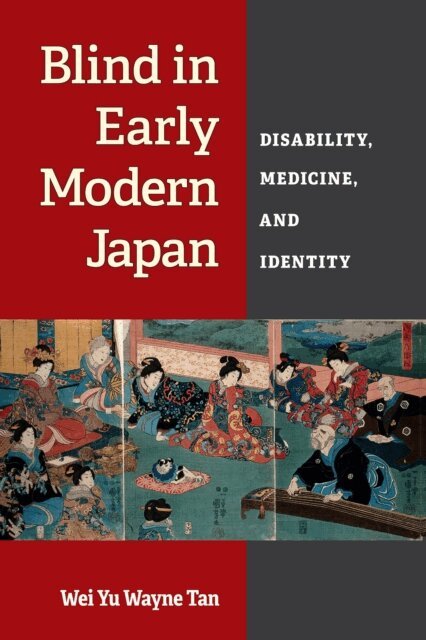









Du kanske också är intresserad av
- Nyhet
Del 11
- -12%
- Signerad!
Del 3
- Nyhet
- Nyhet
- Signerad!
- -30%
- Nyhet
Del 6