• Fri frakt över 249 kr
  • •
  • Snabba leveranser
  • •
  • Billiga böcker
Kundservice

Du är på sajten för privatpersoner.

Företag, bibliotek eller offentlig verksamhet?

Du handlar på classic.bokus.com, där alla dina funktioner finns intakta.
Till classic.bokus.com
Bokus logotyp. Gå till startsidan.
  • Erbjudanden
  • Nyheter
  • Student
  • Topplistor
  • Barn & ungdom
  • Bokus Play
  • E-böcker
  • Pocketböcker
  • Spel & pussel

10% rabatt på allt med kod NYSTART10 →

Sidfot

Mina sidor

    Hjälp

    • Kundservice
    • Vanliga frågor och svar
    • Frakt och leverans
    • Retur vid ångerrätt
    • Reklamera vara
    • Betalning
    • Köpvillkor
    • Allmänna villkor
    • Information om webbplatsens tillgänglighet

    Om Bokus

    • Om oss
    • Pressrum
    • För studenter
    • För företag
    • För bibliotek och offentlig verksamhet
    • För leverantörer
    • Hållbarhet

    Populärt

    • Aktuella erbjudanden
    • Presentkort
    • Studentlitteratur
    • Nya böcker
    • Topplistor
    • Signerade böcker
    • Engelska böcker

    Inspiration

    • Boktips
    • BookTok
    • Populära bokserier
    • Barnbokskaraktärer
    • Populära författare
    Logotyp för Bokus
    Följ oss på Facebook (extern länk)Följ oss på Instagram (extern länk)Följ oss på YouTube (extern länk)Följ oss på TikTok (extern länk)
    bokus @ CookiesAnpassa cookiesIntegritetspolicyKöpvillkor
    Till Citymail hemsida (extern länk)Till Budbee hemsida (extern länk)Till Postnord hemsida (extern länk)Till Schenker hemsida (extern länk)Till Early Bird hemsida (extern länk)Till Walleys hemsida (extern länk)
    1. Ekonomi och Ledarskap
    2. Nationalekonomi
    3. Internationell ekonomi

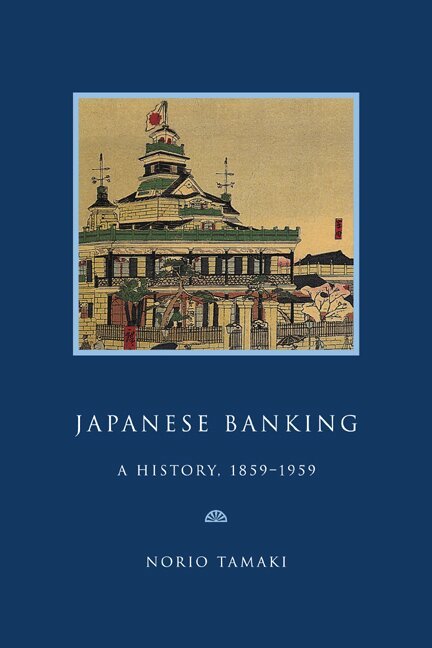
    Japanese Banking

    A History, 1859-1959

    AvNorio Tamaki,Michael D. Bordo

    Häftad, Engelska, 2005

    Del i serien Studies in Macroeconomic History

    477 kr

    Beställningsvara. Skickas inom 10-15 vardagar. Fri frakt över 249 kr.

    Fler format och utgåvor

    Inbunden

    1 913 kr

    Beskrivning

    How did the Japanese achieve their unrivalled position in world banking? This book, first published in 1995, provides a full account in English of the banking industry in Japan for the century following the opening of the country to the outside world in 1859. Professor Tamaki begins by considering the period of experimentation during the Meiji Restoration which resulted in the adoption of the Gold Standard in 1891. He then offers a detailed examination of the highly profitable years up to the end of the First World War and of the subsequent crisis which was hastened by the earthquake that devastated Tokyo and Yokohama in 1923 and sealed by the financial collapse of 1927. New light is thrown on the extraordinary role played by the banking industry during the period of military expansionism which culminated with defeat in the Second World War. The book ends with an assessment of the post-war financial system which developed out of the Macarthur directives and the subsequent American 'democratisation' programme.

    Produktinformation

    • Utgivningsdatum:2005-11-10
    • Mått:154 x 230 x 21 mm
    • Vikt:455 g
    • Format:Häftad
    • Språk:Engelska
    • Serie:Studies in Macroeconomic History
    • Antal sidor:312
    • Förlag:Cambridge University Press
    • ISBN:9780521022330

    Utforska kategorier

    • Internationell ekonomi inom Ekonomi och Ledarskap

    Recensioner i media

    "...a useful addition to all banking and finance collections." Choice

    Innehållsförteckning

    • Preface; Genealogy of leading Japanese banks 1859–1959; Abbreviations; Part I. A Bankrupt Shogunate 1859–68: 1. Japanese merchant bankers: Ryogae; 2. A bankrupt regime; 3. Ryogae, struggling for survival?; 4. The arrival of Western banking; Part II. The Meiji Restoration: Monetary Confusion and Banking Experiments, 1868–81: 5. The first banking experiment; 6. The national bank system: American influence; 7. The origins of ordinary banking: another bank mania; 8. Search for stability: the last bank controversy; Part III. Matsukata, the Wizard of Japanese Banking 1881–97, the Yokohama Specie Bank (1880), and the Bank of Japan (1882): 9. The Bank of Japan, or Nichigin; 10. The Yokohama Specie Bank or Shokin; 11. Consolidation and expansion; 12. The adoption of gold standard; Part IV. The Japanese on the London Money Market, 1897–1911: 13. The 'Siamese twins': Nichigin and Shokin; 14. Special banking; 15. Banking at the end of the Meiji era; 16. Banking and the securities market; Part V. War: The Japanese Boom Years, 1911–19: 17. Bank of Japan money supply; 18. The expansion of special banking; 19. Ordinary and savings banks: the search for strength; 20. Other financial sectors in the boom years; Part VI. Crisis and the Road to War, 1919–37: 21. Post war collapse, 1919–23; 22. 1923 catastrophic earthquake, 1927 financial disaster, and the new Bank Act; 23. Financing heavy industries; 24. The challenge of militarism and a change of roles for Nichigin and Shokin; Part VII. Complete Commitment, Struggles, and Defeat, 1937–45: 25. War budgets and the mobilisation of national resources; 26. Extraordinary banking business during the national emergency; 27. Crisis, 1945; Part VIII. American 'Democratization' and the Search for Growth, 1945–59: 28. MacArthur's directives; 29. Remaking the banking system: the Japanese vs. the Americans; 30. Rise of governmental banking and the search for stability: the Japanese initiatives; 31. The post-war system; 32. An extraordinary century, 1859–1959; Appendices; Notes; Bibliography; Index.