• Fri frakt över 249 kr
  • •
  • Snabba leveranser
  • •
  • Billiga böcker
Kundservice

Du är på sajten för privatpersoner.

Företag, bibliotek eller offentlig verksamhet?

Du handlar på classic.bokus.com, där alla dina funktioner finns intakta.
Till classic.bokus.com
Bokus logotyp. Gå till startsidan.
  • Erbjudanden
  • Nyheter
  • Student
  • Topplistor
  • Barn & ungdom
  • Bokus Play
  • E-böcker
  • Pocketböcker
  • Spel & pussel

10% studentrabatt med kod TERM26

Sidfot

Mina sidor

    Hjälp

    • Kundservice
    • Vanliga frågor och svar
    • Frakt och leverans
    • Retur vid ångerrätt
    • Reklamera vara
    • Betalning
    • Köpvillkor
    • Allmänna villkor
    • Information om webbplatsens tillgänglighet

    Om Bokus

    • Om oss
    • Pressrum
    • För studenter
    • För företag
    • För bibliotek och offentlig verksamhet
    • För leverantörer
    • Hållbarhet

    Populärt

    • Aktuella erbjudanden
    • Presentkort
    • Studentlitteratur
    • Nya böcker
    • Topplistor
    • Signerade böcker
    • Engelska böcker

    Inspiration

    • Boktips
    • BookTok
    • Populära bokserier
    • Barnbokskaraktärer
    • Populära författare
    Logotyp för Bokus
    Följ oss på Facebook (extern länk)Följ oss på Instagram (extern länk)Följ oss på YouTube (extern länk)Följ oss på TikTok (extern länk)
    bokus @ CookiesAnpassa cookiesIntegritetspolicyKöpvillkor
    Till Citymail hemsida (extern länk)Till Budbee hemsida (extern länk)Till Postnord hemsida (extern länk)Till Schenker hemsida (extern länk)Till Early Bird hemsida (extern länk)Till Walleys hemsida (extern länk)
    1. Juridik
    2. Internationell rätt
    3. Folkrätt

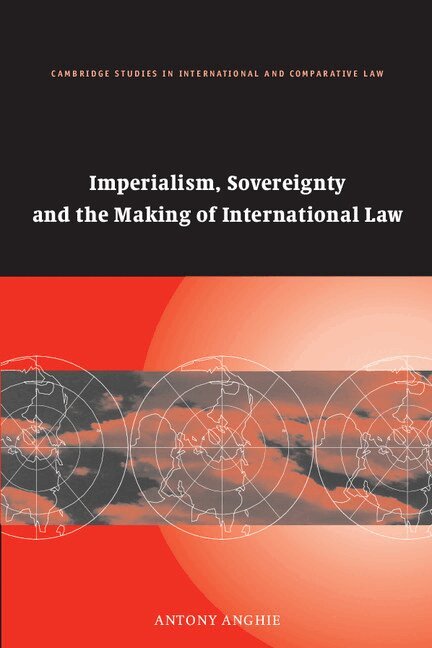
    Imperialism, Sovereignty and the Making of International Law

    AvAntony Anghie

    Häftad, Engelska, 2007

    Del 37 i serien Cambridge Studies in International and Comparative Law

    414 kr

    Beställningsvara. Skickas inom 10-15 vardagar. Fri frakt över 249 kr.

    Fler format och utgåvor

    Inbunden

    1 648 kr

    Beskrivning

    This book argues that the colonial confrontation was central to the formation of international law and, in particular, its founding concept, sovereignty. Traditional histories of the discipline present colonialism and non-European peoples as peripheral concerns. By contrast, Anghie argues that international law has always been animated by the 'civilizing mission' - the project of governing non-European peoples, and that the economic exploitation and cultural subordination that resulted were constitutively significant for the discipline. In developing these arguments, the book examines different phases of the colonial encounter, ranging from the sixteenth century to the League of Nations period and the current 'war on terror'. Anghie provides a new approach to the history of international law, illuminating the enduring imperial character of the discipline and its continuing importance for peoples of the Third World. This book will be of interest to students of international law and relations, history, post-colonial studies and development studies.

    Produktinformation

    • Utgivningsdatum:2007-04-26
    • Mått:151 x 229 x 23 mm
    • Vikt:588 g
    • Format:Häftad
    • Språk:Engelska
    • Serie:Cambridge Studies in International and Comparative Law
    • Antal sidor:380
    • Förlag:Cambridge University Press
    • ISBN:9780521702720

    Utforska kategorier

    • Folkrätt inom Juridik

    Mer om författaren

    Professor of Law at the S. J. Quinney School of Law, University of Utah.

    Recensioner i media

    '…a particularly important [book] for international lawyers, scholars and activists to read.' American Journal of International Law

    Innehållsförteckning

    • Acknowledgements; Table of cases; Table of treaties; Introduction; 1. Francisco de Vitoria and the colonial origins of international law; (i) Introduction; (ii) Vitoria and the problem of universal law; (iii) War, sovereignty and the transformation of the Indian; (iv) Conclusion; 2. Finding the peripheries: colonialism in nineteenth-century international law; (i) Introduction; (ii) Elements of positivist jurisprudence; (iii) Defining and excluding the uncivilized; (iv) Native personality and managing the colonial encounter; (v) Reconceptualizing sovereignty; 3. Colonialism and the birth of international institutions: the mandate of the League of Nations; (i) Introduction; (ii) Creation of the mandate system; (iii) The league of nations and the new international law; (iv) The mandate system and colonial problems; (v) The mandate system and the construction of the non-European state; (vi) Government, sovereignty, and economy; (vii) The mandate and the discussion of sovereignty; (viii) The legacies of the mandate system: toward the present; (ix) Conclusion; 4. Sovereignty and the post-colonial state; (i) Introduction; (ii) Decolonization and the universality of international law; (iii) Development, nationalism and the post-colonial state; (iv) Development and the reform of international law; (v) Permanent sovereignty over natural resource and the new international economic order; (vi) The 1962 resolution on PSNR; (vii) The 1974 charter of rights and duties among states; (viii) Colonialism and the emergence of transnational law; (ix) Sources of law and international contracts; (x) Overview and conclusions; 5. Governance and globalization, civilization and commerce; (i) Introduction; (ii) Good governance and the third world; (iii) Governance, human rights and the universal; (iv) International financial institutions, human rights and good governance; (v) International financial institutions and the mandate system; (vi) Conclusions and overview; 6. On making war on the terrorists: imperialism as self-defense; (i) Introduction; (ii) The war against terrorism (WAT); (iii) The United States and imperial democracy; (iv) Historical origins: war, conquest and self-defense; (v) Terrorism and the United Nations: a Victorian moment; (vi) Terrorism, self-defense and third world sovereignty; Conclusion.