• Fri frakt över 249 kr
  • •
  • Snabba leveranser
  • •
  • Billiga böcker
Kundservice

Du är på sajten för privatpersoner.

Företag, bibliotek eller offentlig verksamhet?

Du handlar på classic.bokus.com, där alla dina funktioner finns intakta.
Till classic.bokus.com
Bokus logotyp. Gå till startsidan.
  • Erbjudanden
  • Nyheter
  • Student
  • Topplistor
  • Barn & ungdom
  • Bokus Play
  • E-böcker
  • Pocketböcker
  • Spel & pussel

10% rabatt på allt med kod: NYSTART10 →

Sidfot

Mina sidor

    Hjälp

    • Kundservice
    • Vanliga frågor och svar
    • Frakt och leverans
    • Retur vid ångerrätt
    • Reklamera vara
    • Betalning
    • Köpvillkor
    • Allmänna villkor
    • Information om webbplatsens tillgänglighet

    Om Bokus

    • Om oss
    • Pressrum
    • För studenter
    • För företag
    • För bibliotek och offentlig verksamhet
    • För leverantörer
    • Hållbarhet

    Populärt

    • Aktuella erbjudanden
    • Presentkort
    • Studentlitteratur
    • Nya böcker
    • Topplistor
    • Signerade böcker
    • Engelska böcker

    Inspiration

    • Boktips
    • BookTok
    • Populära bokserier
    • Barnbokskaraktärer
    • Populära författare
    Logotyp för Bokus
    Följ oss på Facebook (extern länk)Följ oss på Instagram (extern länk)Följ oss på YouTube (extern länk)Följ oss på TikTok (extern länk)
    bokus @ CookiesAnpassa cookiesIntegritetspolicyKöpvillkor
    Till Citymail hemsida (extern länk)Till Budbee hemsida (extern länk)Till Postnord hemsida (extern länk)Till Schenker hemsida (extern länk)Till Early Bird hemsida (extern länk)Till Walleys hemsida (extern länk)
    1. Historia och arkeologi
    2. Arkeologi
    3. Arkeologiska perioder och områden

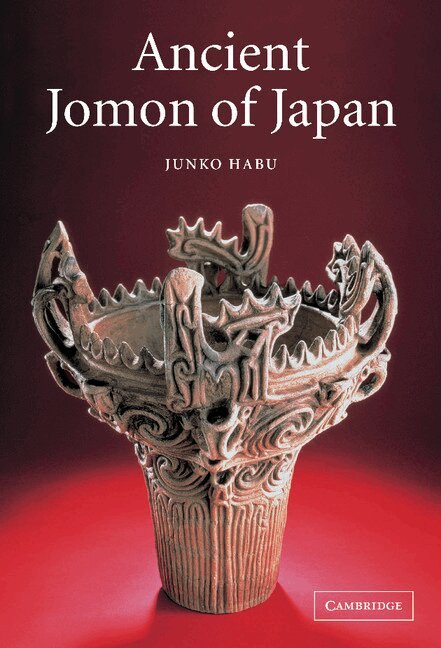
    Ancient Jomon of Japan

    AvJunko Habu,Rita P. Wright

    Inbunden, Engelska, 2004

    Del 4 i serien Case Studies in Early Societies

    1 140 kr

    Beställningsvara. Skickas inom 10-15 vardagar. Fri frakt över 249 kr.

    Fler format och utgåvor

    Häftad

    364 kr

    Beskrivning

    In this 2004 book, Junko Habu illustrates recent developments in the archaeology of the Jomon period (circa 14,500-300 BC) of Japan and presents new analyses. Unlike most prehistoric pottery using peoples, the Jomon people are thought to have been hunter-gatherers. Evidence of plant cultivation does exist, but none of the cultigens recovered from Jomon sites seems to have been used as a staple food resource. High site density, food storage, and long distance trade also characterize this Jomon period. Using ecological models of hunter-gatherer culture and behavior, Habu examines various aspects of Jamon culture including subsistence, settlement, rituals, crafts and trade, and presents a model of long-term change in hunter-gatherer cultural complexity. In this comprehensive analysis, Junko Habu helps to bridge the gap between largely Japanese discourse on this 10,000 year period of Japanese prehistory and the modern scientific debate on later hunter-gatherer societies. It will prove invaluable to students and researchers alike.

    Produktinformation

    • Utgivningsdatum:2004-07-29
    • Mått:161 x 235 x 26 mm
    • Vikt:680 g
    • Format:Inbunden
    • Språk:Engelska
    • Serie:Case Studies in Early Societies
    • Antal sidor:350
    • Förlag:Cambridge University Press
    • ISBN:9780521772136

    Utforska kategorier

    • Arkeologiska perioder och områden inom Historia och arkeologi

    Mer om författaren

    Junko Habu is Associate Professor at the Department of Anthropology, University of California at Berkeley. She has conducted fieldwork both in Japan and in North America. Her publications include Subsistence-Settlement Systems and Intersite Variability in the Moroiso Phase of the Early Jomon Period of Japan, International Monographs in Prehistory (2001).

    Recensioner i media

    '… this book is comprehensive, informative and academically exciting.' Antiquity

    Innehållsförteckning

    • Part I. Overview: 1. Introduction; 2. Background to the study: overview of the Jomon Period; Part II. Subsistence and Settlement: 3. Subsistence strategies; 4. Settlement archaeology; Part III. Rituals, Crafts and Trade: 5. Mortuary and ceremonial practices; 6. Crafts and exchange networks; Part IV. Discussion and Conclusion: 7. Discussion and conclusion.