• Fri frakt över 249 kr
  • •
  • Snabba leveranser
  • •
  • Billiga böcker
Kundservice

Du är på sajten för privatpersoner.

Företag, bibliotek eller offentlig verksamhet?

Du handlar på classic.bokus.com, där alla dina funktioner finns intakta.
Till classic.bokus.com
Bokus logotyp. Gå till startsidan.
  • Erbjudanden
  • Nyheter
  • Student
  • Topplistor
  • Barn & ungdom
  • Bokus Play
  • E-böcker
  • Pocketböcker
  • Spel & pussel

10% studentrabatt med kod TERM26

Sidfot

Mina sidor

    Hjälp

    • Kundservice
    • Vanliga frågor och svar
    • Frakt och leverans
    • Retur vid ångerrätt
    • Reklamera vara
    • Betalning
    • Köpvillkor
    • Allmänna villkor
    • Information om webbplatsens tillgänglighet

    Om Bokus

    • Om oss
    • Pressrum
    • För studenter
    • För företag
    • För bibliotek och offentlig verksamhet
    • För leverantörer
    • Hållbarhet

    Populärt

    • Aktuella erbjudanden
    • Presentkort
    • Studentlitteratur
    • Nya böcker
    • Topplistor
    • Signerade böcker
    • Engelska böcker

    Inspiration

    • Boktips
    • BookTok
    • Populära bokserier
    • Barnbokskaraktärer
    • Populära författare
    Logotyp för Bokus
    Följ oss på Facebook (extern länk)Följ oss på Instagram (extern länk)Följ oss på YouTube (extern länk)Följ oss på TikTok (extern länk)
    bokus @ CookiesAnpassa cookiesIntegritetspolicyKöpvillkor
    Till Citymail hemsida (extern länk)Till Budbee hemsida (extern länk)Till Postnord hemsida (extern länk)Till Schenker hemsida (extern länk)Till Early Bird hemsida (extern länk)Till Walleys hemsida (extern länk)
    1. Historia och arkeologi
    2. Historia
    3. Europas historia

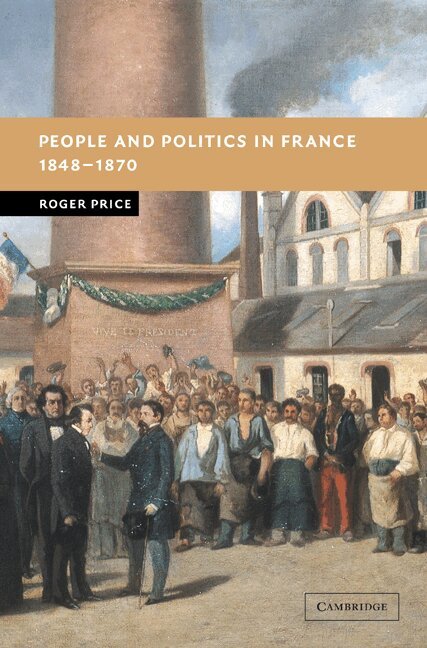
    People and Politics in France, 1848-1870

    AvRoger Price

    Inbunden, Engelska, 2004

    Del i serien New Studies in European History

    1 817 kr

    Beställningsvara. Skickas inom 10-15 vardagar. Fri frakt över 249 kr.

    Fler format och utgåvor

    Häftad

    767 kr

    Beskrivning

    This 2004 book is about politicisation and political choice in the aftermath of the February Revolution of 1848, and the emergence of democracy in France. The introduction of male suffrage both encouraged expectations of social transformation and aroused intense fear. In these circumstances the election of Louis-Napoleon Bonaparte as President of the Republic - and his subsequent coup d'état - were the essential features of a counter-revolutionary process which involved the creation of a system of democracy as the basis of regime legitimacy and as a prelude to greater liberalisation. The state positively encouraged the act of voting. But what did it mean? How did people perceive politics? How did communities and groups participate in political activity? These and many other questions concern the relationships between local issues and personalities, and the national political culture, all of which impinged on communities increasingly as a result of substantial social and political change.

    Produktinformation

    • Utgivningsdatum:2004-06-17
    • Mått:160 x 235 x 34 mm
    • Vikt:939 g
    • Format:Inbunden
    • Språk:Engelska
    • Serie:New Studies in European History
    • Antal sidor:490
    • Förlag:Cambridge University Press
    • ISBN:9780521837064

    Utforska kategorier

    • Europas historia inom Historia och arkeologi

    Mer om författaren

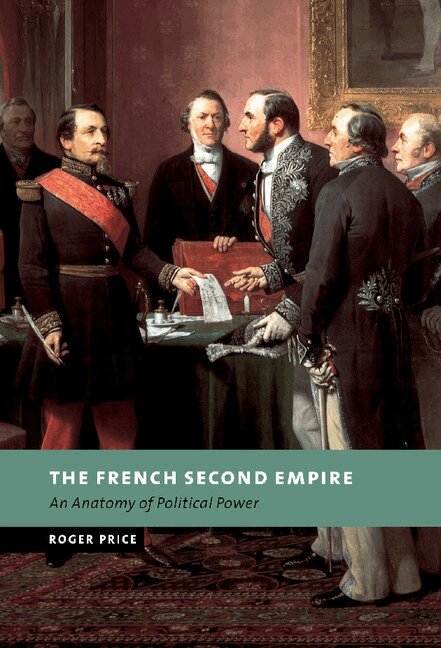
    Roger Price is Professor of History, University of Wales, Aberystwyth. His recent book The French Second Empire: An Anatomy of Political Power was published by Cambridge University Press in 2001.

    Recensioner i media

    Review of the hardback: 'People and Politics is a towering achievement, one that scholars will consult and engage with for years to come.' European History Quarterly

    Innehållsförteckning

    • Introduction; 1. Dominant classes: the social elites; 2. Coming to terms with 'democracy'; 3. Aspiring social groups: the middle classes; 4. Peasants and rural society: a dominated class?; 5. Peasants and politics; 6. The formation of a working class; 7. The working class challenge: socialisation and political choice; Conclusion.