• Fri frakt över 249 kr
  • •
  • Snabba leveranser
  • •
  • Billiga böcker
Kundservice

Du är på sajten för privatpersoner.

Företag, bibliotek eller offentlig verksamhet?

Du handlar på classic.bokus.com, där alla dina funktioner finns intakta.
Till classic.bokus.com
Bokus logotyp. Gå till startsidan.
  • Erbjudanden
  • Nyheter
  • Student
  • Topplistor
  • Barn & ungdom
  • Bokus Play
  • E-böcker
  • Pocketböcker
  • Spel & pussel

10% rabatt på allt med kod: NYSTART10 →

Sidfot

Mina sidor

    Hjälp

    • Kundservice
    • Vanliga frågor och svar
    • Frakt och leverans
    • Retur vid ångerrätt
    • Reklamera vara
    • Betalning
    • Köpvillkor
    • Allmänna villkor
    • Information om webbplatsens tillgänglighet

    Om Bokus

    • Om oss
    • Pressrum
    • För studenter
    • För företag
    • För bibliotek och offentlig verksamhet
    • För leverantörer
    • Hållbarhet

    Populärt

    • Aktuella erbjudanden
    • Presentkort
    • Studentlitteratur
    • Nya böcker
    • Topplistor
    • Signerade böcker
    • Engelska böcker

    Inspiration

    • Boktips
    • BookTok
    • Populära bokserier
    • Barnbokskaraktärer
    • Populära författare
    Logotyp för Bokus
    Följ oss på Facebook (extern länk)Följ oss på Instagram (extern länk)Följ oss på YouTube (extern länk)Följ oss på TikTok (extern länk)
    bokus @ CookiesAnpassa cookiesIntegritetspolicyKöpvillkor
    Till Citymail hemsida (extern länk)Till Budbee hemsida (extern länk)Till Postnord hemsida (extern länk)Till Schenker hemsida (extern länk)Till Early Bird hemsida (extern länk)Till Walleys hemsida (extern länk)
    1. Filosofi och religion
    2. Religion och tro
    3. Kristendom
    4. Biblar

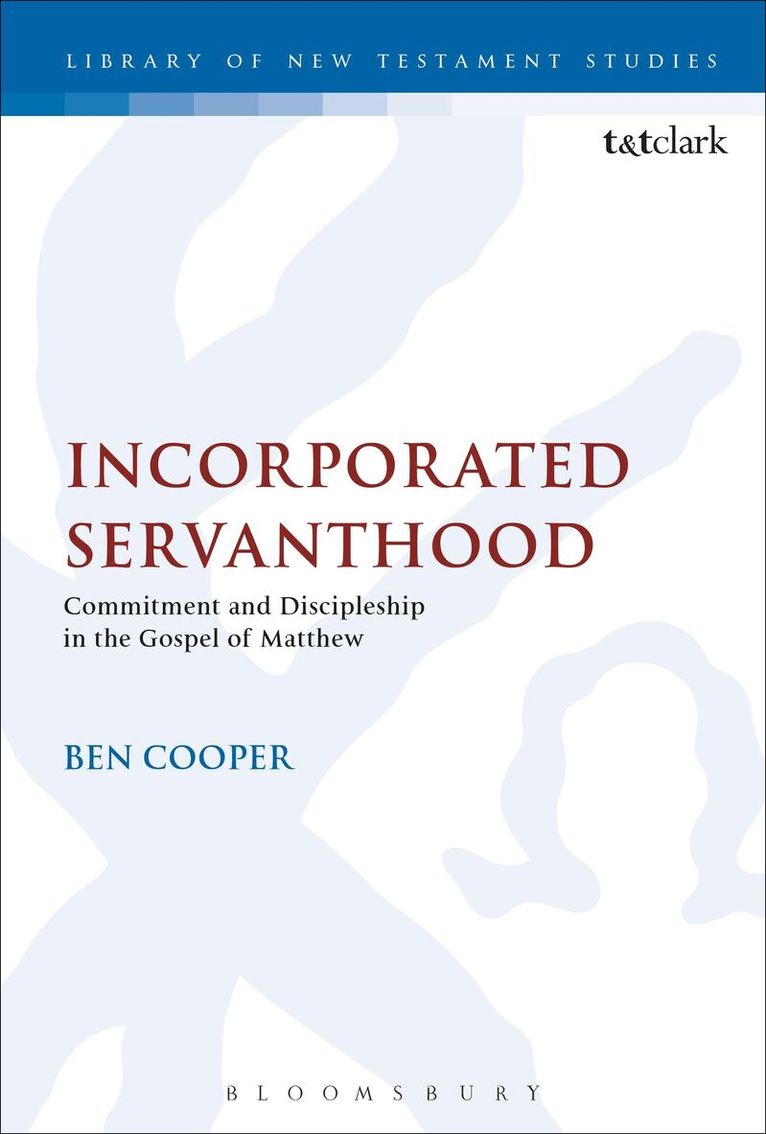
    Incorporated Servanthood

    Commitment and Discipleship in the Gospel of Matthew

    AvBen Cooper,Chris Keith

    Inbunden, Engelska, 2013

    Del i serien Library of New Testament Studies

    1 952 kr

    Beställningsvara. Skickas inom 10-15 vardagar. Fri frakt över 249 kr.

    Fler format och utgåvor

    E-bok

    589 kr

    Häftad

    549 kr

    Beskrivning

    In this volume Ben Cooper analyses how commitment to God is described within the Gospel of Matthew, how this is related to becoming a disciple of Jesus, and how reading or hearing the Gospel works to evoke such a response. The analysis draws upon a variety of approaches in linguistics and literary studies in a new way to characterise the 'communicative equilibrium' between the author and the subset of readers who process the text compliantly. Cooper argues that Matthew's Gospel evokes in its compliant readers a particular kind of theocentric commitment, which he calls 'incorporated Servanthood'. Such readers become persuaded that Jesus came to bring forgiveness of sins to the people of God and then to take this salvation out to the nations, a program that can be associated with Isaiah's Servant of the Lord. Compliant readers are humbled so they can be served by the Servant for the forgiveness of their sins. They are then incorporated into his program for the nations, to join in the task of incorporating others.

    Produktinformation

    • Utgivningsdatum:2013-10-10
    • Mått:156 x 234 x 18 mm
    • Vikt:585 g
    • Format:Inbunden
    • Språk:Engelska
    • Serie:Library of New Testament Studies
    • Antal sidor:296
    • Förlag:Bloomsbury Publishing PLC
    • ISBN:9780567177070

    Utforska kategorier

    • Biblar inom Filosofi och religion
    • Religion: allmänt inom Filosofi och religion
    • Kristendom inom Filosofi och religion

    Mer om författaren

    Ben Cooper is Course Director of Fulwood Bible Training in Sheffield, UK, and an ordained minister in the Church of England.

    Innehållsförteckning

    • 1. Commitment2. Methodology and Method3. Theocentric commitment in Matthew's Gospel: four preparatory claims4. Matthew 1:1-10:42. Repent (in Light of the Nearness of the Kingdom)5. Matthew 11:1-16:20/6. Matthew 16:21-28:15. Take up your cross (in the light of the coming of the Son of Man)7. Matthew 28:16-20. Therefore Go and Make Disciples8. ConclusionBibliography