Häftad, Engelska, 2012
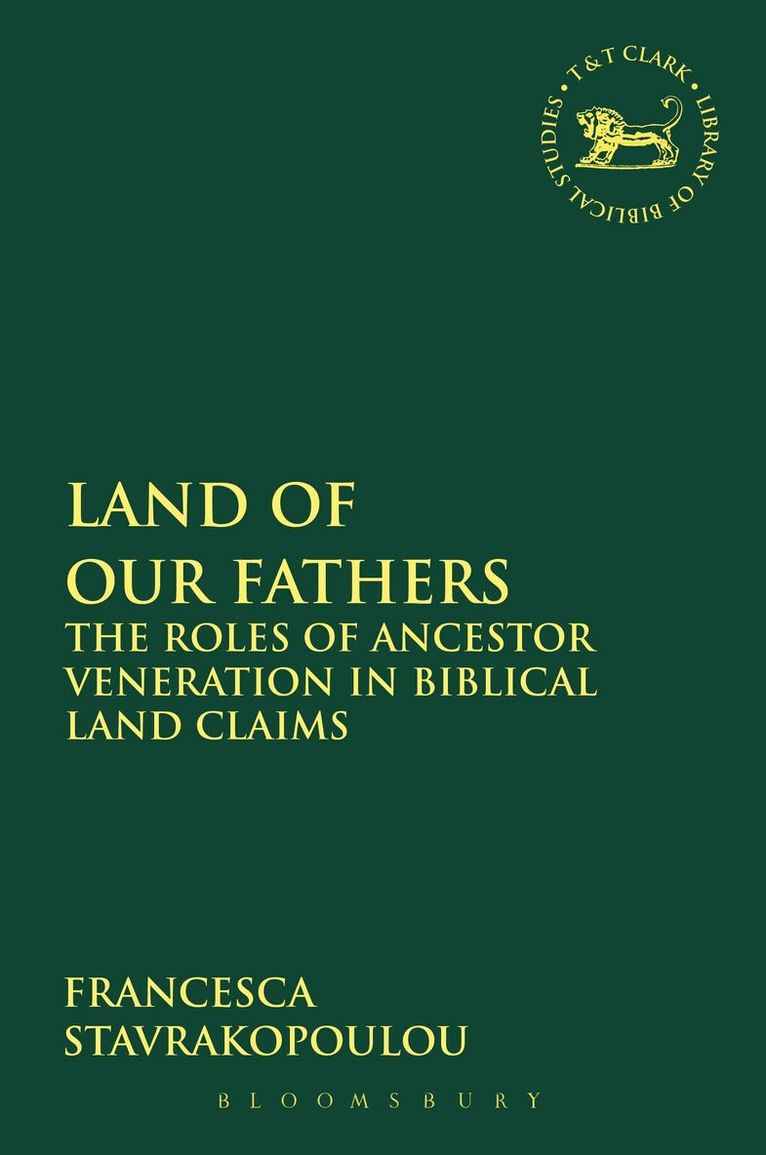
Land of Our Fathers
The Roles of Ancestor Veneration in Biblical Land Claims
Av Francesca Stavrakopoulou, Laura Quick
Del i serien Library of Hebrew Bible/Old Testament Studies
556 kr
Beställningsvara. Skickas inom 10-15 vardagar. Fri frakt över 249 kr.
Beskrivning
Produktinformation
- Utgivningsdatum: 2012-07-26
- Mått: 159 x 234 x 12 mm
- Vikt: 299 g
- Format: Häftad
- Språk: Engelska
- Serie: Library of Hebrew Bible/Old Testament Studies
- Antal sidor: 208
- Förlag: Bloomsbury Publishing PLC
- ISBN: 9780567411884
Utforska kategorier
Mer om författaren
Francesca Stavrakopoulou is Senior Lecturer in Hebrew Bible at the University of Exeter, UK. Her research focuses on ancient Israelite religion, Judahite kingship, and history and ideology in the Hebrew Bible. She is the author of King Manasseh and Child Sacrifice: Biblical Distortions of Historical Realities (2004).
Recensioner i media
Land of Our Fathers thoughtfully and creatively explores the ways in which fundamental connections between the ancestors and the land mapped culture in ancient Israel. Francesca Stavrakopoulou's work is interdisciplinary and methodologically sophisticated, drawing upon cultural anthropology and other fields to study "the territorialism of the dead." The author's analysis not only points to pan-Israelite patterns of culture but also to variations and developments in attitudes to the dead that reflect and respond to social, political, and historical dynamics. I look forward to sharing this important case study in the history of religion with my students in courses that deal with ancient Israelite and comparative religions.
Betyg & recensioner
0 recensioner
Inga recensioner tillgängliga.