

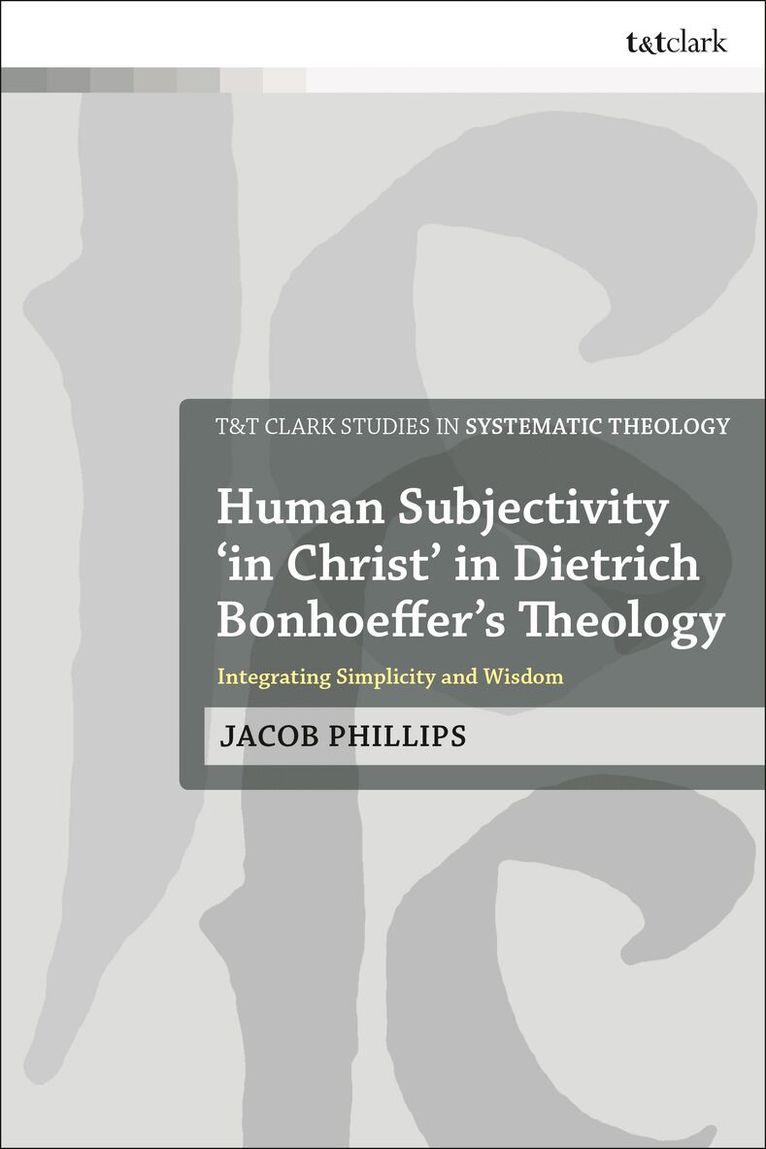
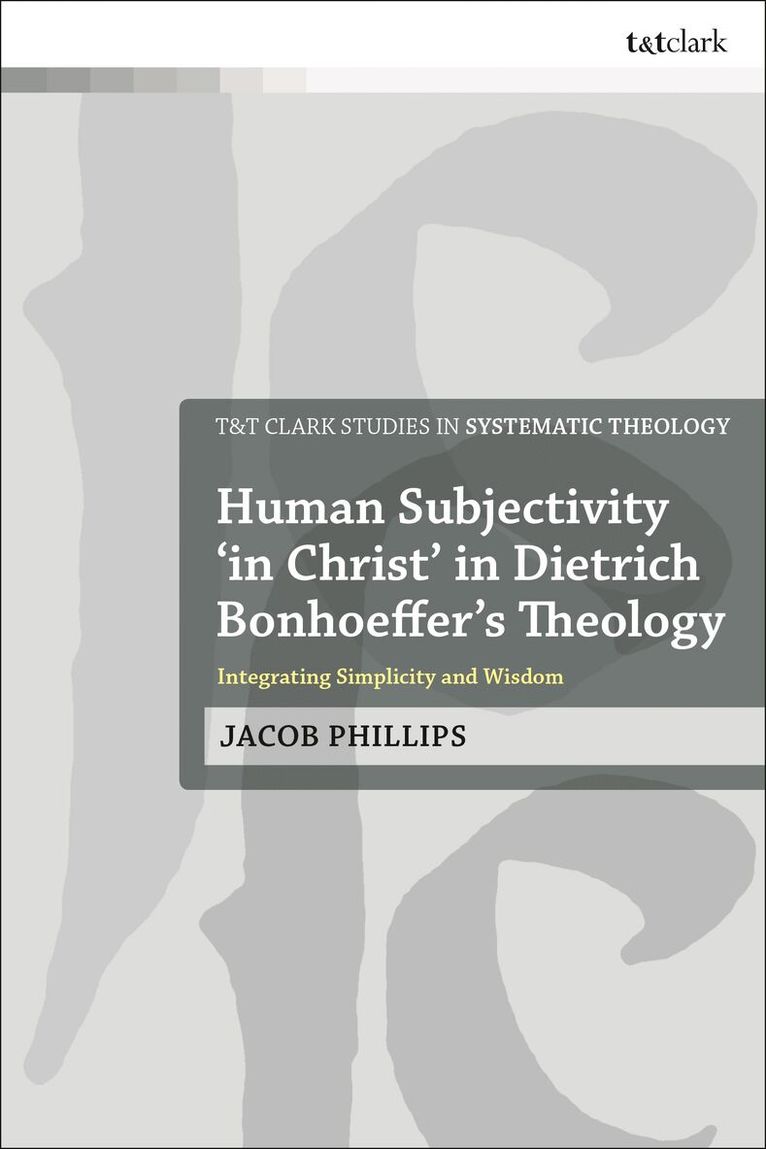
Human Subjectivity 'in Christ' in Dietrich Bonhoeffer's Theology
Integrating Simplicity and Wisdom
503 kr
Läs direkt i Bokus Reader – eller ladda ned till din enhet (PDF kräver ofta zoom och scroll på små skärmar).
Fler format och utgåvor
Beskrivning
Jacob Phillips presents a critical study of a neglected aspect of Dietrich Bonhoeffer''s theology: his writing on human subjectivity, self-reflection, and individual identity ''in Christ''. In response to the rise of chronic self-representation through digital technology, Phillips argues that Bonhoeffer presents a radical challenge, maintaining that – from the perspective of Christian theology - there is something deeply negative about beholding representations of oneself. Bonhoeffer instead holds that discipleship means adopting a posture of radical agnosticism toward one''s own identity.
Phillips focuses on the interrelation of ''simplicity'' and ''reflection'' in theological cognition and ethical deliberation, showing a wider significance in contemporary theological anthropology, soteriology and ethics. By following the tradition of reading Bonhoeffer in relation to the philosophical sources, such as Wüstenberg , Janz, Whitson-Floyd, Marsh, Zimmermann, Gregor, Phillips highlights the ways in which Bonhoeffer''s work relates to modern debates in epistemology and ethics generally, and that of Wilhelm Dilthey and hermeneutical phenomenology in particular. This volume offers a detailed theological analysis of the themes of self-identity, human subjectivity, and self-understanding, which are highly pertinent for contemporary society.
Phillips focuses on the interrelation of ''simplicity'' and ''reflection'' in theological cognition and ethical deliberation, showing a wider significance in contemporary theological anthropology, soteriology and ethics. By following the tradition of reading Bonhoeffer in relation to the philosophical sources, such as Wüstenberg , Janz, Whitson-Floyd, Marsh, Zimmermann, Gregor, Phillips highlights the ways in which Bonhoeffer''s work relates to modern debates in epistemology and ethics generally, and that of Wilhelm Dilthey and hermeneutical phenomenology in particular. This volume offers a detailed theological analysis of the themes of self-identity, human subjectivity, and self-understanding, which are highly pertinent for contemporary society.
Produktinformation
Utforska kategorier
Hoppa över listan







Mer från samma författare
Inquiry Into the Origin and Influence of the Controverted Rule of Law Called the Rule in Shelley's Case
Jacob Phillips
Häftad, 2010
214 kr

Hoppa över listan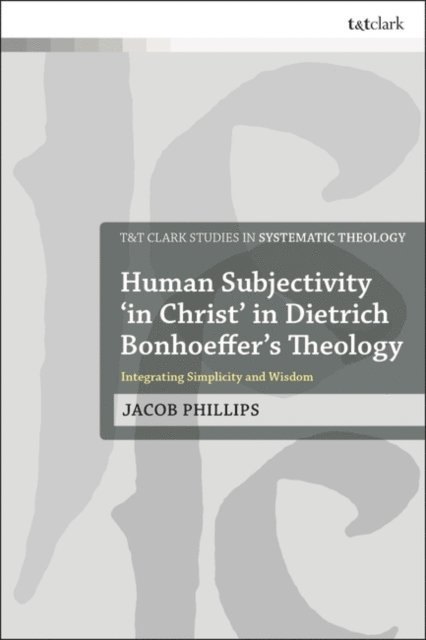

Du kanske också är intresserad av

Human Subjectivity 'in Christ' in Dietrich Bonhoeffer's Theology
Jacob Phillips, Ian a. McFarland
Häftad, 2021
465 kr
Human Subjectivity 'in Christ' in Dietrich Bonhoeffer's Theology
Jacob Phillips, Ian a. McFarland
Inbunden, 2019
1 672 kr
Inquiry Into the Origin and Influence of the Controverted Rule of Law Called the Rule in Shelley's Case
Jacob Phillips
Häftad, 2010
214 kr