• Fri frakt över 249 kr
  • •
  • Snabba leveranser
  • •
  • Billiga böcker
Kundservice

Du är på sajten för privatpersoner.

Företag, bibliotek eller offentlig verksamhet?

Du handlar på classic.bokus.com, där alla dina funktioner finns intakta.
Till classic.bokus.com
Bokus logotyp. Gå till startsidan.
  • Erbjudanden
  • Nyheter
  • Student
  • Topplistor
  • Barn & ungdom
  • Bokus Play
  • E-böcker
  • Pocketböcker
  • Spel & pussel

10% rabatt på allt med kod NYSTART10 →

Sidfot

Mina sidor

    Hjälp

    • Kundservice
    • Vanliga frågor och svar
    • Frakt och leverans
    • Retur vid ångerrätt
    • Reklamera vara
    • Betalning
    • Köpvillkor
    • Allmänna villkor
    • Information om webbplatsens tillgänglighet

    Om Bokus

    • Om oss
    • Pressrum
    • För studenter
    • För företag
    • För bibliotek och offentlig verksamhet
    • För leverantörer
    • Hållbarhet

    Populärt

    • Aktuella erbjudanden
    • Presentkort
    • Studentlitteratur
    • Nya böcker
    • Topplistor
    • Signerade böcker
    • Engelska böcker

    Inspiration

    • Boktips
    • BookTok
    • Populära bokserier
    • Barnbokskaraktärer
    • Populära författare
    Logotyp för Bokus
    Följ oss på Facebook (extern länk)Följ oss på Instagram (extern länk)Följ oss på YouTube (extern länk)Följ oss på TikTok (extern länk)
    bokus @ CookiesAnpassa cookiesIntegritetspolicyKöpvillkor
    Till Citymail hemsida (extern länk)Till Budbee hemsida (extern länk)Till Postnord hemsida (extern länk)Till Schenker hemsida (extern länk)Till Early Bird hemsida (extern länk)Till Walleys hemsida (extern länk)
    1. Historia och arkeologi
    2. Historia
    3. Europas historia

    Denazification in Soviet-Occupied Germany

    Brandenburg, 1945–1948

    AvTimothy R. Vogt

    Inbunden, Engelska, 2001

    Del 137 i serien Harvard Historical Studies

    812 kr

    Beställningsvara. Skickas inom 5-8 vardagar. Fri frakt över 249 kr.

    Beskrivning

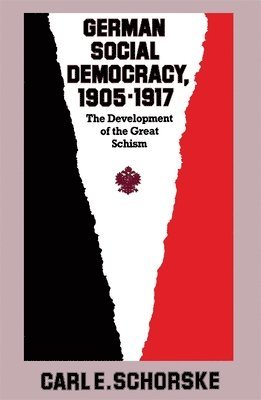
    In his study of Brandenburg, Germany, Timothy Vogt directly challenges both the "antifascist" paradigm employed by East German historians and the "sovietization" interpretive model that has dominated western studies. He argues that Soviet denazification was neither an effective purge of society nor part of a methodical "sovietization" of the eastern zone. Instead, in a detailed study, denazification is pictured as a failure, which fell short of its goals and was eventually abandoned by the frustrated Soviet and German leadership.The case example of Brandenburg is an effective means of putting "flesh and blood" into the study and giving the reader insight into both broader developments and the human actors who propelled events. The result is an analysis that is based not simply on policymakers and their policies, but rather on how policy was continuously reformulated in response to developments on the local level.The study encompasses significant aspects of contemporary European history: everyday life in Nazi Germany, Germany's postwar coming to terms with its Nazi past, the Cold War division of Germany, postwar Soviet policy, and the construction of a one-party communist system in Eastern Europe.

    Produktinformation

    • Utgivningsdatum:2001-02-01
    • Mått:156 x 235 x undefined mm
    • Vikt:671 g
    • Format:Inbunden
    • Språk:Engelska
    • Serie:Harvard Historical Studies
    • Antal sidor:336
    • Förlag:Harvard University Press
    • ISBN:9780674003408
    • Utmärkelser:Nominated for Herbert Baxter Adams Prize 2001

    Utforska kategorier

    • Europas historia inom Historia och arkeologi

    Recensioner i media

    This book is based on important new sources, offers fresh insights into what happened in East Germany in the early postwar years, and will stimulate further debate and research concerning the evolution of East Germany and its society.

    Innehållsförteckning

    • Acknowledgments Abbreviations Introduction 1. The Origins of Soviet Denazification Policy 2. The Purge Begins 3. Expropriation, Land Reform, and the PGs 4. The Denazification Experiment 5. The Denazification Commissions and the Purge 6. The Demographics of Denazification 7. The Varieties of Guilt and Innocence 8. Responses to the Nazi Period and the PGs in the New Germany Conclusion Appendix: Data Sample Notes Sources Index