• Fri frakt över 249 kr
  • •
  • Snabba leveranser
  • •
  • Billiga böcker
Kundservice

Du är på sajten för privatpersoner.

Företag, bibliotek eller offentlig verksamhet?

Du handlar på classic.bokus.com, där alla dina funktioner finns intakta.
Till classic.bokus.com
Bokus logotyp. Gå till startsidan.
  • Erbjudanden
  • Nyheter
  • Student
  • Topplistor
  • Barn & ungdom
  • Bokus Play
  • E-böcker
  • Pocketböcker
  • Spel & pussel

10% rabatt på allt med kod NYSTART10 →

Sidfot

Mina sidor

    Hjälp

    • Kundservice
    • Vanliga frågor och svar
    • Frakt och leverans
    • Retur vid ångerrätt
    • Reklamera vara
    • Betalning
    • Köpvillkor
    • Allmänna villkor
    • Information om webbplatsens tillgänglighet

    Om Bokus

    • Om oss
    • Pressrum
    • För studenter
    • För företag
    • För bibliotek och offentlig verksamhet
    • För leverantörer
    • Hållbarhet

    Populärt

    • Aktuella erbjudanden
    • Presentkort
    • Studentlitteratur
    • Nya böcker
    • Topplistor
    • Signerade böcker
    • Engelska böcker

    Inspiration

    • Boktips
    • BookTok
    • Populära bokserier
    • Barnbokskaraktärer
    • Populära författare
    Logotyp för Bokus
    Följ oss på Facebook (extern länk)Följ oss på Instagram (extern länk)Följ oss på YouTube (extern länk)Följ oss på TikTok (extern länk)
    bokus @ CookiesAnpassa cookiesIntegritetspolicyKöpvillkor
    Till Citymail hemsida (extern länk)Till Budbee hemsida (extern länk)Till Postnord hemsida (extern länk)Till Schenker hemsida (extern länk)Till Early Bird hemsida (extern länk)Till Walleys hemsida (extern länk)
    1. Naturvetenskap och teknik
    2. Geovetenskap
    3. Miljövetenskap och miljöpolitik

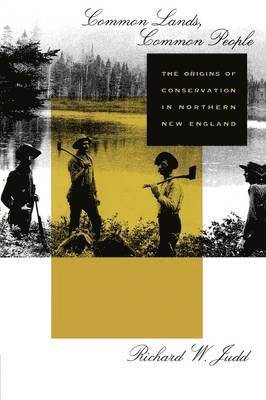
    Common Lands, Common People

    The Origins of Conservation in Northern New England

    AvRichard W. Judd

    Häftad, Engelska, 2000

    423 kr

    Beställningsvara. Skickas inom 10-15 vardagar. Fri frakt över 249 kr.

    Beskrivning

    In this innovative study of the rise of the conservation ethic in northern New England, Richard Judd shows that the movement that eventually took hold throughout America had its roots among the communitarian ethic of countrypeople rather than among urban intellectuals or politicians. Drawing on agricultural journals and archival sources such as legislative petitions, Judd demonstrates that debates over access to and use of forests and water, though couched in utilitarian terms, drew their strength and conviction from deeply held popular notions of properly ordered landscapes and common rights to nature.Unlike earlier attempts to describe the conservation movement in its historical context, which have often assumed a crude dualism in attitudes toward nature--democracy versus monopoly, amateur versus professional, utilitarian versus aesthete--this study reveals a complex set of motives and inspirations behind the mid-nineteenth-century drive to conserve natural resources. Judd suggests that a more complex set of contending and complementary social forces was at work, including traditional folk values, an emerging science of resource management, and constantly shifting class interests.Common Lands, Common People tells us that ordinary people, struggling to define and redefine the morality of land and resource use, contributed immensely to America's conservation legacy.

    Produktinformation

    • Utgivningsdatum:2000-10-16
    • Mått:141 x 227 x undefined mm
    • Vikt:476 g
    • Format:Häftad
    • Språk:Engelska
    • Antal sidor:352
    • Förlag:Harvard University Press
    • ISBN:9780674004160

    Utforska kategorier

    • Miljövetenskap och miljöpolitik inom Naturvetenskap och teknik
    • Amerikas historia inom Historia och arkeologi

    Mer om författaren

    Richard W. Judd is Professor of History, University of Maine.

    Recensioner i media

    As Common Lands, Common People describes beautifully, the march of 'progress' [in New England] was slowed by the nascent environmentalists of Maine, Vermont and New Hampshire standing up to big businesses of the day. The beauty of these states today is thanks to the pressure of these early conservationists--who were not, the author suggests, an elitist group drawn from the upper echelons of society as some historians contend, but the 'common people' of the title. The writing is vivid and the history thorough.