• Fri frakt över 249 kr
  • •
  • Snabba leveranser
  • •
  • Billiga böcker
Kundservice

Du är på sajten för privatpersoner.

Företag, bibliotek eller offentlig verksamhet?

Du handlar på classic.bokus.com, där alla dina funktioner finns intakta.
Till classic.bokus.com
Bokus logotyp. Gå till startsidan.
  • Erbjudanden
  • Nyheter
  • Student
  • Topplistor
  • Barn & ungdom
  • Bokus Play
  • E-böcker
  • Pocketböcker
  • Spel & pussel

10% rabatt på allt med kod: NYSTART10 →

Sidfot

Mina sidor

    Hjälp

    • Kundservice
    • Vanliga frågor och svar
    • Frakt och leverans
    • Retur vid ångerrätt
    • Reklamera vara
    • Betalning
    • Köpvillkor
    • Allmänna villkor
    • Information om webbplatsens tillgänglighet

    Om Bokus

    • Om oss
    • Pressrum
    • För studenter
    • För företag
    • För bibliotek och offentlig verksamhet
    • För leverantörer
    • Hållbarhet

    Populärt

    • Aktuella erbjudanden
    • Presentkort
    • Studentlitteratur
    • Nya böcker
    • Topplistor
    • Signerade böcker
    • Engelska böcker

    Inspiration

    • Boktips
    • BookTok
    • Populära bokserier
    • Barnbokskaraktärer
    • Populära författare
    Logotyp för Bokus
    Följ oss på Facebook (extern länk)Följ oss på Instagram (extern länk)Följ oss på YouTube (extern länk)Följ oss på TikTok (extern länk)
    bokus @ CookiesAnpassa cookiesIntegritetspolicyKöpvillkor
    Till Citymail hemsida (extern länk)Till Budbee hemsida (extern länk)Till Postnord hemsida (extern länk)Till Schenker hemsida (extern länk)Till Early Bird hemsida (extern länk)Till Walleys hemsida (extern länk)
    1. Historia och arkeologi
    2. Historia
    3. Asiens historia

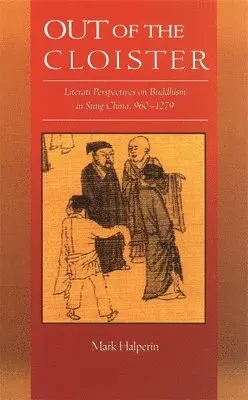
    Out of the Cloister

    Literati Perspectives on Buddhism in Sung China, 960–1279

    AvMark Halperin

    Inbunden, Engelska, 2007

    Del 272 i serien Harvard East Asian Monographs

    415 kr

    Beställningsvara. Skickas inom 5-8 vardagar. Fri frakt över 249 kr.

    Beskrivning

    The intense piety of late T'ang essays on Buddhism by literati has helped earn the T'ang its title of the "golden age of Chinese Buddhism." In contrast, the Sung is often seen as an age in which the literati distanced themselves from Buddhism. This study of Sung devotional texts shows, however, that many literati participated in intra-Buddhist debates. Others were drawn to Buddhism because of its power, which found expression and reinforcement in its ties with the state. For some, monasteries were extravagant houses of worship that reflected the corruption of the age; for others, the sacrifice and industry demanded by such projects were exemplars worthy of emulation. Finally, Buddhist temples could evoke highly personal feelings of filial piety and nostalgia.This book demonstrates that representations of Buddhism by lay people underwent a major change during the T'ang-Sung transition. These changes built on basic transformations within the Buddhist and classicist traditions and sometimes resulted in the use of Buddhism and Buddhist temples as frames of reference to evaluate aspects of lay society. Buddhism, far from being pushed to the margins of Chinese culture, became even more a part of everyday elite Chinese life.

    Produktinformation

    • Utgivningsdatum:2007-01-01
    • Mått:156 x 235 x 32 mm
    • Vikt:680 g
    • Format:Inbunden
    • Språk:Engelska
    • Serie:Harvard East Asian Monographs
    • Antal sidor:400
    • Förlag:Harvard University, Asia Center
    • ISBN:9780674022652
    • Utmärkelser:Nominated for Joseph Levenson Book Prize 2008

    Utforska kategorier

    • Asiens historia inom Historia och arkeologi
    • Religion: allmänt inom Filosofi och religion
    • Buddhism inom Filosofi och religion

    Mer om författaren

    Mark Halperin is Assistant Professor of East Asian Languages and Cultures at the University of California, Davis.

    Recensioner i media

    In this interesting and well-written study Mark Halperin paints a multi-faceted and complex picture of how members of the Song-dynasty educated elite viewed Buddhism and Buddhist institutions, and how in writing about them literati were able to express a range of opinions and critiques that went far beyond the Buddhist cloister. It is a welcome addition to a number of recent studies on the social history of the Song literati class and on elite Buddhism in the Song, but at the same time it offers an approach not attempted in any previous work.