• Fri frakt över 249 kr
  • •
  • Snabba leveranser
  • •
  • Billiga böcker
Kundservice

Du är på sajten för privatpersoner.

Företag, bibliotek eller offentlig verksamhet?

Du handlar på classic.bokus.com, där alla dina funktioner finns intakta.
Till classic.bokus.com
Bokus logotyp. Gå till startsidan.
  • Erbjudanden
  • Nyheter
  • Student
  • Topplistor
  • Barn & ungdom
  • Bokus Play
  • E-böcker
  • Pocketböcker
  • Spel & pussel

10% rabatt på allt med kod: NYSTART10 →

Sidfot

Mina sidor

    Hjälp

    • Kundservice
    • Vanliga frågor och svar
    • Frakt och leverans
    • Retur vid ångerrätt
    • Reklamera vara
    • Betalning
    • Köpvillkor
    • Allmänna villkor
    • Information om webbplatsens tillgänglighet

    Om Bokus

    • Om oss
    • Pressrum
    • För studenter
    • För företag
    • För bibliotek och offentlig verksamhet
    • För leverantörer
    • Hållbarhet

    Populärt

    • Aktuella erbjudanden
    • Presentkort
    • Studentlitteratur
    • Nya böcker
    • Topplistor
    • Signerade böcker
    • Engelska böcker

    Inspiration

    • Boktips
    • BookTok
    • Populära bokserier
    • Barnbokskaraktärer
    • Populära författare
    Logotyp för Bokus
    Följ oss på Facebook (extern länk)Följ oss på Instagram (extern länk)Följ oss på YouTube (extern länk)Följ oss på TikTok (extern länk)
    bokus @ CookiesAnpassa cookiesIntegritetspolicyKöpvillkor
    Till Citymail hemsida (extern länk)Till Budbee hemsida (extern länk)Till Postnord hemsida (extern länk)Till Schenker hemsida (extern länk)Till Early Bird hemsida (extern länk)Till Walleys hemsida (extern länk)
    1. Ekonomi och Ledarskap
    2. Nationalekonomi
    3. Internationell ekonomi

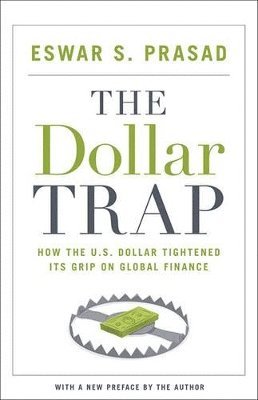
    Dollar Trap

    How the U.S. Dollar Tightened Its Grip on Global Finance

    AvEswar S. Prasad

    Häftad, Engelska, 2015

    276 kr

    Beställningsvara. Skickas inom 5-8 vardagar. Fri frakt över 249 kr.

    Fler format och utgåvor

    Inbunden

    301 kr

    E-bok

    388 kr

    Beskrivning

    The U.S. dollar's dominance seems under threat. The near collapse of the U.S. financial system in 2008-2009, political paralysis that has blocked effective policymaking, and emerging competitors such as the Chinese renminbi have heightened speculation about the dollar's looming displacement as the main reserve currency. Yet, as The Dollar Trap powerfully argues, the financial crisis, a dysfunctional international monetary system, and U.S. policies have paradoxically strengthened the dollar's importance. Eswar Prasad examines how the dollar came to have a central role in the world economy and demonstrates that it will remain the cornerstone of global finance for the foreseeable future. Marshaling a range of arguments and data, and drawing on the latest research, Prasad shows why it will be difficult to dislodge the dollar-centric system. With vast amounts of foreign financial capital locked up in dollar assets, including U.S. government securities, other countries now have a strong incentive to prevent a dollar crash.Prasad takes the reader through key contemporary issues in international finance--including the growing economic influence of emerging markets, the currency wars, the complexities of the China-U.S. relationship, and the role of institutions like the International Monetary Fund--and offers new ideas for fixing the flawed monetary system. Readers are also given a rare look into some of the intrigue and backdoor scheming in the corridors of international finance. The Dollar Trap offers a panoramic analysis of the fragile state of global finance and makes a compelling case that, despite all its flaws, the dollar will remain the ultimate safe-haven currency.

    Produktinformation

    • Utgivningsdatum:2015-08-25
    • Mått:140 x 216 x 28 mm
    • Vikt:363 g
    • Format:Häftad
    • Språk:Engelska
    • Antal sidor:440
    • Förlag:Princeton University Press
    • ISBN:9780691168524
    • Utmärkelser:Winner of Axiom Business Book Awards: Economics Gold Award 2015

    Utforska kategorier

    • Internationell ekonomi inom Ekonomi och Ledarskap
    • Ekonomisk politik inom Ekonomi och Ledarskap
    • Makroekonomi inom Ekonomi och Ledarskap

    Mer om författaren

    Eswar S. Prasad is a professor in the Dyson School at Cornell University and senior fellow at the Brookings Institution.

    Recensioner i media

    Winner of the 2015 Gold Medal in Economics, Axiom Business Book Awards Honorable Mention for the 2015 PROSE Award in Business, Finance & Management, Association of American Publishers One of Financial Times (FT.com) Best Economics Books of 2014, chosen by Martin Wolf One of China Business News' Financial Books of the Year for 2014 "Thoughtful."--Jeff Sommer, New York Times "[A] surprising argument... [L]ucid."--David Wessel, Wall Street Journal "Richly detailed study of global finances, examining how and why the dollar became the favored currency of international trade."--Kirkus "To understand how the world of international finance works, what the agendas are and what is at stake, this work is indispensable."--Henny Sender, Financial Times "In his authoritative new book on the dollar, Eswar Prasad ... argues that China and other foreign countries that own around half the outstanding US federal government debt are trapped in a risky game where the US may be tempted to renege on its debt obligations by printing more dollars."--John Plender, Financial Times "A lively and compelling analysis on currency wars in the wake of the financial crisis--and the likely persistence of the U.S. dollar as the world's pre-eminent currency."--Harold James, Central Banking Journal

    Innehållsförteckning

    • List of Figures and Tables ix Preface to the Paperback Edition xi Preface xvii PART ONE Setting the Stage 1. Prologue 3 2. What Is So Special about the Dollar? 11 PART TWO Building Blocks 3. The Paradox of Uphill Capital Flows 31 4. Emerging Markets Get Religion 47 5. The Quest for Safety 63 6. A Trillion Dollar Con Game? 89 PART THREE Inadequate Institutions 7. Currency Wars 125 8. Seeking a Truce on Currency Wars 158 9. It Takes Twenty to Tango 171 10. The Siren Song of Capital Controls 188 11. Safety Nets with Gaping Holes 201 PART FOUR Currency Competition 12. Is the Renminbi Ready for Prime Time? 229 13. Other Contenders Nipping at the Dollar's Heels 262 14. Could the Dollar Hit a Tipping Point and Sink? 283 15. Ultimate Paradox: Fragility Breeds Stability 299 Appendix 309 Notes 317 References 375 Acknowledgments 393 Index 395