• Fri frakt över 249 kr
  • •
  • Snabba leveranser
  • •
  • Billiga böcker
Kundservice

Du är på sajten för privatpersoner.

Företag, bibliotek eller offentlig verksamhet?

Du handlar på classic.bokus.com, där alla dina funktioner finns intakta.
Till classic.bokus.com
Bokus logotyp. Gå till startsidan.
  • Erbjudanden
  • Nyheter
  • Student
  • Topplistor
  • Barn & ungdom
  • Bokus Play
  • E-böcker
  • Pocketböcker
  • Spel & pussel

10% rabatt på allt med kod: NYSTART10 →

Sidfot

Mina sidor

    Hjälp

    • Kundservice
    • Vanliga frågor och svar
    • Frakt och leverans
    • Retur vid ångerrätt
    • Reklamera vara
    • Betalning
    • Köpvillkor
    • Allmänna villkor
    • Information om webbplatsens tillgänglighet

    Om Bokus

    • Om oss
    • Pressrum
    • För studenter
    • För företag
    • För bibliotek och offentlig verksamhet
    • För leverantörer
    • Hållbarhet

    Populärt

    • Aktuella erbjudanden
    • Presentkort
    • Studentlitteratur
    • Nya böcker
    • Topplistor
    • Signerade böcker
    • Engelska böcker

    Inspiration

    • Boktips
    • BookTok
    • Populära bokserier
    • Barnbokskaraktärer
    • Populära författare
    Logotyp för Bokus
    Följ oss på Facebook (extern länk)Följ oss på Instagram (extern länk)Följ oss på YouTube (extern länk)Följ oss på TikTok (extern länk)
    bokus @ CookiesAnpassa cookiesIntegritetspolicyKöpvillkor
    Till Citymail hemsida (extern länk)Till Budbee hemsida (extern länk)Till Postnord hemsida (extern länk)Till Schenker hemsida (extern länk)Till Early Bird hemsida (extern länk)Till Walleys hemsida (extern länk)
    1. Historia och arkeologi
    2. Historia
    3. Europas historia

    Hell in Hurtgen Forest

    The Ordeal and Triumph of an American Infantry Regiment

    AvRobert S. Rush

    Häftad, Engelska, 2001

    Del i serien Modern War Studies

    422 kr

    Beställningsvara. Skickas inom 10-15 vardagar. Fri frakt över 249 kr.

    Beskrivning

    Some of the most brutally intense infantry combat in World War II occurred within Germany's Hrtgen Forest. Focusing on the bitterly fought battle between the American 22d Infantry Regiment and elements of the German LXXIV Korps around Grosshau, Rush chronicles small-unit combat at its most extreme and shows why, despite enormous losses, the Americans persevered in the Hurtgenwald "meat grinder," a battle similar to two punch-drunk fighters staggering to survive the round.On 16 November 1944, the 22d Infantry entered the Hurtgen Forest as part of the U.S. Army's drive to cross the Roer River. During the next eighteen days, the 22d suffered more than 2,800 casualties—or about 86 percent of its normal strength of about 3,250 officers and men. After three days of fighting, the regiment had lost all three battalion commanders. After seven days, rifle company strengths stood at 50 percent and by battle's end each had suffered nearly 140 percent casualties.Despite these horrendous losses, the 22d Regiment survived and fought on, due in part to army personnel policies that ensured that unit strengths remained high even during extreme combat. Previously wounded soldiers returned to their units and new replacements, "green" to battle, arrived to follow the remaining battle-hardened cadre. The attack halted only when no veterans remained to follow.The German units in the Hurtgenwald suffered the same horrendous attrition, with one telling difference. German replacement policy detracted from rather than enhanced German combat effectiveness. Organizations had high paper strength but low manpower, and commanders consolidated decimated units time after time until these ever-dwindling bands of soldiers disappeared forever: killed, wounded, captured, or surrendered.The performance of American and German forces during this harrowing eighteen days of combat was largely a product of their respective backgrounds, training, and organization. This pre-battle aspect, not normally seen in combat history, helps explain why the Americans were successful and the Germans were not. Rush's work underscores both the horrors of combat and the resiliency of American organizations. While honoring the sacrifice and triumph of the common soldier, it also compels us to reexamine our views on the requisites for victory on the battlefield.
    Produktinformation

    • Utgivningsdatum:2001-11-27
    • Mått:151 x 230 x 22 mm
    • Vikt:570 g
    • Format:Häftad
    • Språk:Engelska
    • Serie:Modern War Studies
    • Antal sidor:404
    • Förlag:University Press of Kansas
    • ISBN:9780700613601

    Utforska kategorier

    • Europas historia inom Historia och arkeologi
    • Andra världskriget inom Historia och arkeologi
    • Modern militärhistoria inom Historia och arkeologi

    Mer om författaren

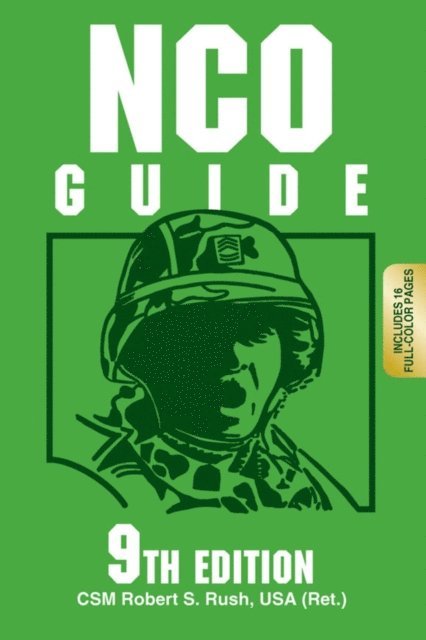
    Robert Sterling Rush, Command Sergeant Major (ret.), served in the U.S. Army at every organizational level from squad through army and as a historian at the U.S. Center of Military History. He is the author of The Soldier's Guide: 5th Edition and The NCO Guide: 6th Edition.

    Recensioner i media

    A heartbreaking, day-by-day account - beautifully written - of the small unit action in the forest." —Army History"One of the finest case studies of modern infantry combat in any language." —Dennis Showalter, author of Tannenburg: Clash of Empires"Rush successfully marries combat analysis with social history to provide a new assessment of the American infantry units that battled the Wehrmacht from the beaches of Normandy to the Elbe River. In an exhibition of brilliantly imaginative and thorough research, he examines the training, leadership, tactics, and replacement policies that permitted American infantry regiments to remain cohesive enough to keep gaining ground despite personnel losses that totaled sixty-four percent by the war's end. Cutting edge scholarship on the U.S. Army's war in the ETO." —Journal of American History"A gripping tale of American GIs facing combat under the worst imaginable conditions." —Peter Mansoor, author of The GI Offensive in Europe: The Triumph of American Infantry Divisions, 1941-1945"A superb combat history that shatters long-held concepts on American versus German performance and vividly describes the horror and agony of close combat." —Edward G. Miller, author of A Dark and Bloody Ground: The Hurtgen Forest and the Roer River Dams, 1944-1945