• Fri frakt över 249 kr
  • •
  • Snabba leveranser
  • •
  • Billiga böcker
Kundservice

Du är på sajten för privatpersoner.

Företag, bibliotek eller offentlig verksamhet?

Du handlar på classic.bokus.com, där alla dina funktioner finns intakta.
Till classic.bokus.com
Bokus logotyp. Gå till startsidan.
  • Erbjudanden
  • Nyheter
  • Student
  • Topplistor
  • Barn & ungdom
  • Bokus Play
  • E-böcker
  • Pocketböcker
  • Spel & pussel

10% rabatt på allt med kod: NYSTART10 →

Sidfot

Mina sidor

    Hjälp

    • Kundservice
    • Vanliga frågor och svar
    • Frakt och leverans
    • Retur vid ångerrätt
    • Reklamera vara
    • Betalning
    • Köpvillkor
    • Allmänna villkor
    • Information om webbplatsens tillgänglighet

    Om Bokus

    • Om oss
    • Pressrum
    • För studenter
    • För företag
    • För bibliotek och offentlig verksamhet
    • För leverantörer
    • Hållbarhet

    Populärt

    • Aktuella erbjudanden
    • Presentkort
    • Studentlitteratur
    • Nya böcker
    • Topplistor
    • Signerade böcker
    • Engelska böcker

    Inspiration

    • Boktips
    • BookTok
    • Populära bokserier
    • Barnbokskaraktärer
    • Populära författare
    Logotyp för Bokus
    Följ oss på Facebook (extern länk)Följ oss på Instagram (extern länk)Följ oss på YouTube (extern länk)Följ oss på TikTok (extern länk)
    bokus @ CookiesAnpassa cookiesIntegritetspolicyKöpvillkor
    Till Citymail hemsida (extern länk)Till Budbee hemsida (extern länk)Till Postnord hemsida (extern länk)Till Schenker hemsida (extern länk)Till Early Bird hemsida (extern länk)Till Walleys hemsida (extern länk)
    1. Kultur
    2. Scenkonst och film
    3. Television

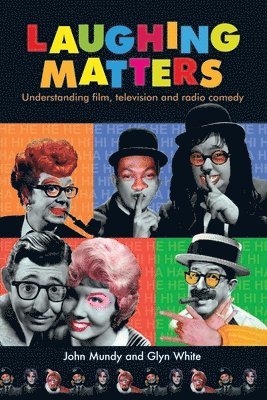
    Laughing matters

    Understanding film, television and radio comedy

    AvJohn Mundy,Glyn White

    Häftad, Engelska, 2012

    351 kr

    Tillfälligt slut

    Beskrivning

    Laughing Matters takes an analytic approach to film, television and radio comedy and provides an accessible overview of its forms and contexts. The introduction explains the value of studying comedy, concisely outlines the approach taken and summarises the relevant theories. The subsequent chapters are divided into two parts. The first part examines the specific forms comedy has taken as a constant and key element in film and broadcast comedy from their origins to the present. The second part shows how the genre gravitates towards contentious issues in British and American culture as it finds humour in the boundaries of class, gender, sexuality, race and logic. The authors cover silent cinema comedy including Chaplin, Lloyd and Keaton, sound film comedies including the Marx Brothers and Laurel and Hardy, Romantic film comedy, radio, television situation and sketch comedy, comedy and genre (including parody and spoof), animations from cartoons to CGI, issues of gender and sexuality from drag comedy to queer reading, issues of taste and humour from Carry On to contemporary 'gross-out' , and issues of race and ethnicity including a case study of African-American screen comedy. Numerous opportunities for following up are highlighted and advice on further reading, writing academically about comedy and an extensive bibliography add to the value of this textbook.

    Produktinformation

    • Utgivningsdatum:2012-12-07
    • Mått:156 x 234 x 22 mm
    • Vikt:450 g
    • Format:Häftad
    • Språk:Engelska
    • Antal sidor:288
    • Förlag:Manchester University Press
    • ISBN:9780719083150

    Utforska kategorier

    • Television inom Kultur
    • Film inom Kultur

    Mer om författaren

    John Mundy isGlyn White is Lecturer in Twentieth Century Literature and Culture at the University of Salford

    Innehållsförteckning

    • List of illustrationsAcknowledgementsIntroductionPart I: Comedy forms 1 Silent film comedy 2 Early sound film comedy3 The romantic comedy film4 Radio comedy5 Television comedy6 Comedy and genre boundaries7 Animated comedy Part II: Themes, effects and impact of comedy 8 Comedy, gender and sexuality9 Comedy and cultural value: from bad taste to gross-out10 Comedy, race and ethnicityConclusion: ‘You had to be there’AppendixBibliographyIndex