• Fri frakt över 249 kr
  • •
  • Snabba leveranser
  • •
  • Billiga böcker
Kundservice

Du är på sajten för privatpersoner.

Företag, bibliotek eller offentlig verksamhet?

Du handlar på classic.bokus.com, där alla dina funktioner finns intakta.
Till classic.bokus.com
Bokus logotyp. Gå till startsidan.
  • Erbjudanden
  • Nyheter
  • Student
  • Topplistor
  • Barn & ungdom
  • Bokus Play
  • E-böcker
  • Pocketböcker
  • Spel & pussel

10% rabatt på allt med kod: NYSTART10 →

Sidfot

Mina sidor

    Hjälp

    • Kundservice
    • Vanliga frågor och svar
    • Frakt och leverans
    • Retur vid ångerrätt
    • Reklamera vara
    • Betalning
    • Köpvillkor
    • Allmänna villkor
    • Information om webbplatsens tillgänglighet

    Om Bokus

    • Om oss
    • Pressrum
    • För studenter
    • För företag
    • För bibliotek och offentlig verksamhet
    • För leverantörer
    • Hållbarhet

    Populärt

    • Aktuella erbjudanden
    • Presentkort
    • Studentlitteratur
    • Nya böcker
    • Topplistor
    • Signerade böcker
    • Engelska böcker

    Inspiration

    • Boktips
    • BookTok
    • Populära bokserier
    • Barnbokskaraktärer
    • Populära författare
    Logotyp för Bokus
    Följ oss på Facebook (extern länk)Följ oss på Instagram (extern länk)Följ oss på YouTube (extern länk)Följ oss på TikTok (extern länk)
    bokus @ CookiesAnpassa cookiesIntegritetspolicyKöpvillkor
    Till Citymail hemsida (extern länk)Till Budbee hemsida (extern länk)Till Postnord hemsida (extern länk)Till Schenker hemsida (extern länk)Till Early Bird hemsida (extern länk)Till Walleys hemsida (extern länk)
    1. Historia och arkeologi
    2. Historia
    3. Historia: särskilda händelser och ämnen
    4. Socialhistoria och kulturhistoria

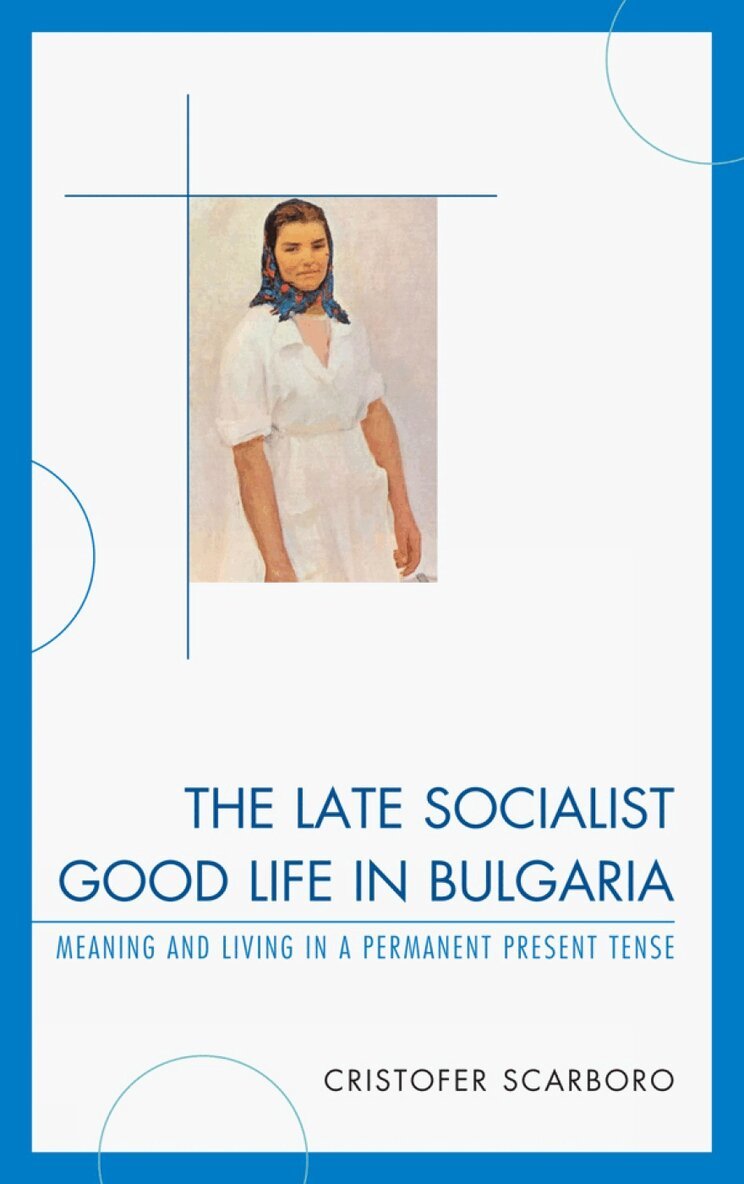
    Late Socialist Good Life in Bulgaria

    Meaning and Living in a Permanent Present Tense

    AvCristofer Scarboro

    Inbunden, Engelska, 2011

    Del i serien Lexington Books

    1 557 kr

    Beställningsvara. Skickas inom 5-8 vardagar. Fri frakt över 249 kr.

    Beskrivning

    This work investigates attempts by Bulgarian Communist Party leaders, bureaucrats and subjects to model, disseminate, and appropriate a local version of the "homo-sovieticus," or new soviet man and woman, during the 1960s and 1970s, a period of “socialist humanism.” Defining and living socialist humanism was a complex process questioning, among other things, the place of work and leisure, sex and pleasure, and the relationship between Bulgaria and the outside world. The socialist system, in these and other programs, invested tremendous resources to direct the movements of its population, at least in part, in order to transform it subjectively. Framed by four programs each linked with the values that socialist humanism sought to instill: the brigadier movement (work); the workings of the brother-city relationship between Haskovo and Tashkent in the Uzbek Soviet Socialist Republic (international socialism); internal tourism (nation); and the exhibition of art in the Haskovo gallery (aesthetics) The Late Socialist Good Life examines the way in which socialism was lived in a time of transition. Viewed from the center, state-manipulated brigades, excursions, art exhibitions and cultural exchanges demonstrate the ability of the state to oblige all to find their place within systemic requirements-but closer perspectives reveal the contingencies produced by interactions between these systems and their subjects. Tashkent, meant to be a model of Soviet progress and a glimpse into Haskovo's future, proved as often to be understood as a symbol of a degraded (if enticing) oriental past. Brigadiers were more interested in playing soccer or gossiping and fighting than in working. Tourists grumbled at inadequate facilities and drank and smoked rather than gaining an appreciation for the beauty of nature and the largesse of the system that allowed them to tour. Socialist Humanist, Socialist Realist art revealed images of the bourgeois and the private in place of earlier tropes of workers working. Bulgarian socialist humanists' navigation of these programs resolved themselves in many outcomes in the search for the socialist good life: in the field of interactions people created solaces, expressed discontents, and above all, manufactured alterations in systems meant to instill uniformity.

    Produktinformation

    • Utgivningsdatum:2011-11-30
    • Mått:162 x 240 x 21 mm
    • Vikt:585 g
    • Format:Inbunden
    • Språk:Engelska
    • Serie:Lexington Books
    • Antal sidor:266
    • Förlag:Bloomsbury Publishing Plc
    • ISBN:9780739145593

    Utforska kategorier

    • Socialhistoria och kulturhistoria inom Historia och arkeologi
    • Europas historia inom Historia och arkeologi
    • Socialism och vänsterideologier inom Samhälle och politik

    Mer om författaren

    Cristofer Scarboro, PhD is a professor of history at King's College.

    Recensioner i media

    Scarboro’s ground-breaking study explores the textured experience of life under communism in postwar Bulgaria. With erudition, pointed anaylsis, and a marked thematic originality, this work reveals the complexity of a system in which state and society were intricately intertwined. Far from exposing human complicity or duplicity, Scarboro’s analysis posits the interdependence of ruler and ruled in a way that questions traditional notions of totalitarianism under communism.

    Innehållsförteckning

    • AcknowledgmentsChapter 1. Introduction: Creating Socialist HumanismChapter 2. "Stroim za rodinata"Chapter 3. Haskovo and Tashkent: Brothers in SocialismChapter 4. Touring, the Sacred and the Socialist SelfChapter 5. Plotting the Self in the Socialist Humanist Art GalleryChapter 6. Conclusions: Socialist Humanism: Promises and PerilsBibliographyIndex