• Fri frakt över 249 kr
  • •
  • Snabba leveranser
  • •
  • Billiga böcker
Kundservice

Du är på sajten för privatpersoner.

Företag, bibliotek eller offentlig verksamhet?

Du handlar på classic.bokus.com, där alla dina funktioner finns intakta.
Till classic.bokus.com
Bokus logotyp. Gå till startsidan.
  • Erbjudanden
  • Nyheter
  • Student
  • Topplistor
  • Barn & ungdom
  • Bokus Play
  • E-böcker
  • Pocketböcker
  • Spel & pussel

10% rabatt på allt med kod: NYSTART10 →

Sidfot

Mina sidor

    Hjälp

    • Kundservice
    • Vanliga frågor och svar
    • Frakt och leverans
    • Retur vid ångerrätt
    • Reklamera vara
    • Betalning
    • Köpvillkor
    • Allmänna villkor
    • Information om webbplatsens tillgänglighet

    Om Bokus

    • Om oss
    • Pressrum
    • För studenter
    • För företag
    • För bibliotek och offentlig verksamhet
    • För leverantörer
    • Hållbarhet

    Populärt

    • Aktuella erbjudanden
    • Presentkort
    • Studentlitteratur
    • Nya böcker
    • Topplistor
    • Signerade böcker
    • Engelska böcker

    Inspiration

    • Boktips
    • BookTok
    • Populära bokserier
    • Barnbokskaraktärer
    • Populära författare
    Logotyp för Bokus
    Följ oss på Facebook (extern länk)Följ oss på Instagram (extern länk)Följ oss på YouTube (extern länk)Följ oss på TikTok (extern länk)
    bokus @ CookiesAnpassa cookiesIntegritetspolicyKöpvillkor
    Till Citymail hemsida (extern länk)Till Budbee hemsida (extern länk)Till Postnord hemsida (extern länk)Till Schenker hemsida (extern länk)Till Early Bird hemsida (extern länk)Till Walleys hemsida (extern länk)
    1. Samhälle och politik
    2. Politik och statsskick
    3. Statsvetenskap och politisk teori

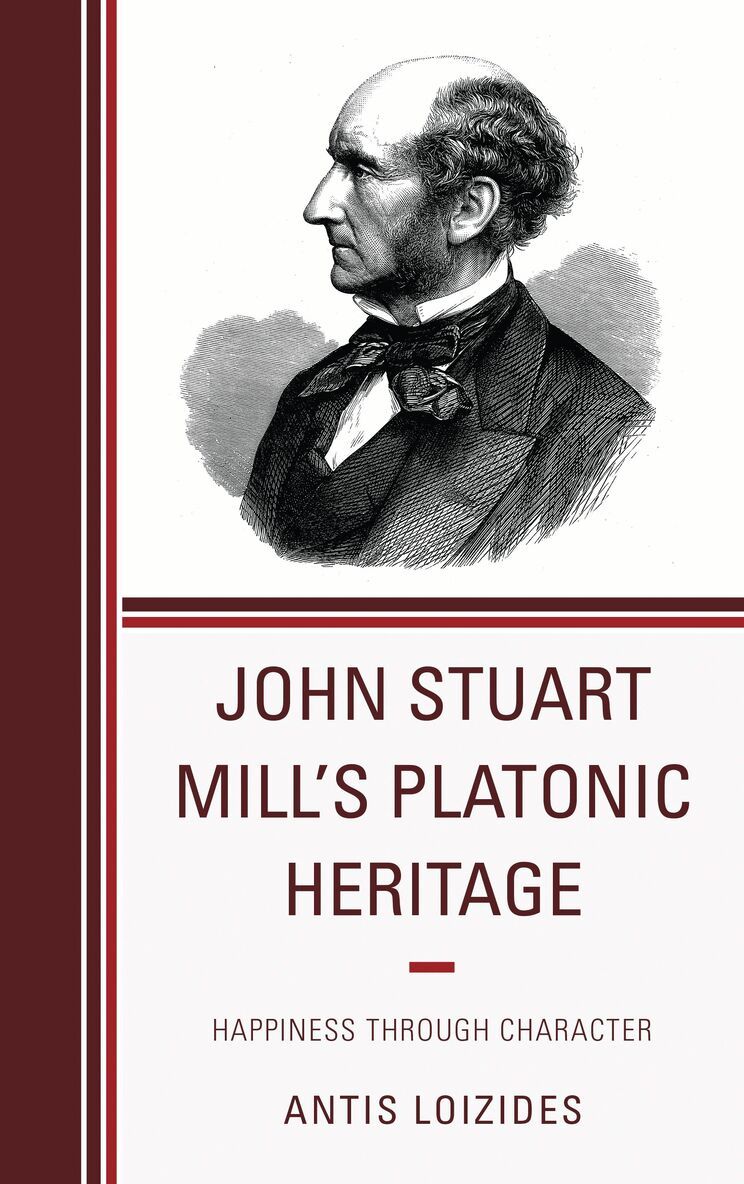
    John Stuart Mill’s Platonic Heritage

    Happiness through Character

    AvAntis Loizides

    Inbunden, Engelska, 2013

    1 256 kr

    Beställningsvara. Skickas inom 10-15 vardagar. Fri frakt över 249 kr.

    Beskrivning

    In the early draft of his Autobiography (London, 1873), John Stuart Mill described himself as “a pupil of Plato, and cast in the mould of his dialectics.” However, how Plato’s influence came about, to what extent, and with regard to which aspects of Mill’s thought, form questions that do not usually preoccupy Mill scholarship. To fill this gap in critical attention, this book draws upon a variety of primary sources to pay particular attention to Mill’s concern with reform, method, character, virtue, and happiness through his reading of the ancient Greeks—particularly Plato. At the same time, this book focuses on the intellectual relationship between father and son, studying their responses to the prevalent trends as to the worth of classical studies and of Platonic philosophy in nineteenth-century Britain. Not only does John Stuart Mill’s “intoxication” with ancient Greece manifest itself in all those aspects of his works already mentioned; but—what is most important—it also permeates his unvarying aim: the improvement of mankind through the improvement of its individual members.

    Produktinformation

    • Utgivningsdatum:2013-03-22
    • Mått:161 x 236 x 26 mm
    • Vikt:540 g
    • Format:Inbunden
    • Språk:Engelska
    • Antal sidor:274
    • Förlag:Bloomsbury Publishing Plc
    • ISBN:9780739173930

    Utforska kategorier

    • Statsvetenskap och politisk teori inom Samhälle och politik
    • Filosofiska discipliner inom Filosofi och religion

    Mer om författaren

    Antis Loizides teaches at the Department of Social and Political Sciences of the University of Cyprus. In 2010, he was awarded a research grant by the Research Promotion Foundation of Cyprus to carry out research on Plato’s influence on John Stuart Mill. His research interests include British utilitarianism, the moral and political thought of John Stuart Mill and James Mill, social contract theories, social happiness, justice, and liberty. He is co-editor of John Stuart Mill: A British Socrates (2013).

    Recensioner i media

    . . . . Kuhar and Patternotte’s anthology provides an encouraging methodological example as to how sociological research into pressing political issues can be conducted. In their sober, account-taking style, the essays provide maximum enlightenment. At the same time, they create the baffling result that this book would serve just as well as a manual for building anti-gender campaigns, or for building one’s political career on no expertise except authoritarian anti-gender rhetorics. Anti-Gender Campaigns in Europe is neither a blazing ideology critique nor a manual for resistance. But asking for that might be getting ahead of things. The first step is to take the phenomenon of anti-genderism seriously and learn about its dynamics, as this book enables us to do.

    Innehållsförteckning

    • AbbreviationsPrefaceAcknowledgments IntroductionPart I: Classical Reception in Nineteenth-Century BritainChapter One: Reform through ClassicsContesting the Place of ClassicsAthenian Institutions and ReformConcluding RemarksNotesChapter Two: Plato in Pre-Victorian BritainRediscovering PlatoA Neoplatonist Born Out of Due SeasonSocrates in Early-Nineteenth CenturySocrates, Plato and the UtilitariansConcluding RemarksNotesChapter Three: James Mill on PlatoRadicalising PlatoJames Mill’s ‘Platonism’Concluding RemarksNotesPart II: John Stuart Mill’s Appropriation of PlatoChapter Four: Educative PastReforming Educational PracticeReforming Social InstitutionsReforming Political PracticeConcluding RemarksNotesChapter Five: Reading Plato Mill’s First Reading: Defining Plato’s CreedMill’s Second Reading: Grote’s PlatoConcluding RemarksNotesChapter Six: On Plato’s MethodMill’s Intellectual Development and PlatoMill’s Dialectical MethodConcluding RemarksNotesPart III: John Stuart Mill’s Platonic HeritageChapter Seven: The Art of LifeReason and ActionMill and the Art of LifeAn Education for the Art of LifeConcluding RemarksNotesChapter Eight: Character, Ethology and VirtueDefining CharacterMeans and Ends of Character FormationConcluding RemarksNotesChapter Nine: Eudaimonia and UtilityUtility or Eudaimonia?Additive and Directive Views of HappinessDirection, Pleasure and LivesConcluding RemarksNotesConclusionBibliographyIndex