• Fri frakt över 249 kr
  • •
  • Snabba leveranser
  • •
  • Billiga böcker
Kundservice

Du är på sajten för privatpersoner.

Företag, bibliotek eller offentlig verksamhet?

Du handlar på classic.bokus.com, där alla dina funktioner finns intakta.
Till classic.bokus.com
Bokus logotyp. Gå till startsidan.
  • Erbjudanden
  • Nyheter
  • Student
  • Topplistor
  • Barn & ungdom
  • Bokus Play
  • E-böcker
  • Pocketböcker
  • Spel & pussel

10% rabatt på allt med kod: NYSTART10 →

Sidfot

Mina sidor

    Hjälp

    • Kundservice
    • Vanliga frågor och svar
    • Frakt och leverans
    • Retur vid ångerrätt
    • Reklamera vara
    • Betalning
    • Köpvillkor
    • Allmänna villkor
    • Information om webbplatsens tillgänglighet

    Om Bokus

    • Om oss
    • Pressrum
    • För studenter
    • För företag
    • För bibliotek och offentlig verksamhet
    • För leverantörer
    • Hållbarhet

    Populärt

    • Aktuella erbjudanden
    • Presentkort
    • Studentlitteratur
    • Nya böcker
    • Topplistor
    • Signerade böcker
    • Engelska böcker

    Inspiration

    • Boktips
    • BookTok
    • Populära bokserier
    • Barnbokskaraktärer
    • Populära författare
    Logotyp för Bokus
    Följ oss på Facebook (extern länk)Följ oss på Instagram (extern länk)Följ oss på YouTube (extern länk)Följ oss på TikTok (extern länk)
    bokus @ CookiesAnpassa cookiesIntegritetspolicyKöpvillkor
    Till Citymail hemsida (extern länk)Till Budbee hemsida (extern länk)Till Postnord hemsida (extern länk)Till Schenker hemsida (extern länk)Till Early Bird hemsida (extern länk)Till Walleys hemsida (extern länk)
    1. Samhälle och politik
    2. Samhälle och kultur
    3. Kultur och medier
    4. Kulturvetenskap

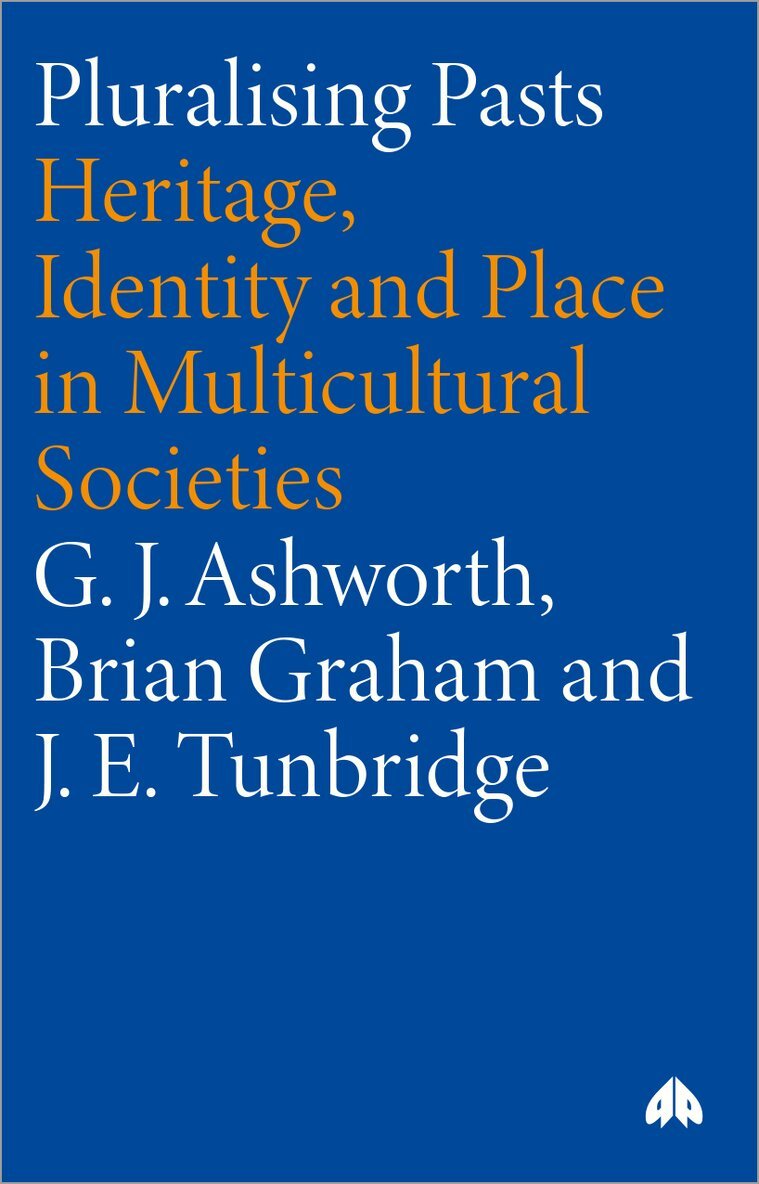
    Pluralising Pasts

    Heritage, Identity and Place in Multicultural Societies

    AvG. J. Ashworth,Brian Graham

    Häftad, Engelska, 2007

    341 kr

    Beställningsvara. Skickas inom 5-8 vardagar. Fri frakt över 249 kr.

    Beskrivning

    From museums and the preservation of old buildings to broader questions of community and identity, heritage is now a political issue. This book explores what heritage means now heritage is big business and how it is used to encourage people to identify with particular places and 'traditions', now it is entangled with capitalism. Examining a range of questions, including the way contemporary societies use heritage in the creation and management of collective identities, and how heritage is involved with the complexities of multicultural societies. As resources are poured into heritage and questions of identity enter into public discourse, this book shows how the heritage industry is used politically and commercially to shape the ways people represent themselves, and are represented, in diverse and hybrid societies.

    Produktinformation

    • Utgivningsdatum:2007-10-20
    • Mått:135 x 215 x 15 mm
    • Vikt:311 g
    • Format:Häftad
    • Språk:Engelska
    • Antal sidor:248
    • Förlag:Pluto Press
    • ISBN:9780745322858

    Utforska kategorier

    • Kulturvetenskap inom Samhälle och politik

    Mer om författaren

    Gregory Ashworth was Professor of Heritage Management at the University of Groningen. He was the author of Pluralising Pasts (Pluto, 2007).Brian Graham is Professor of Human Geography at the University of Ulster. He is the author of Pluralising Pasts (Pluto, 2007).John Tunbridge is Professor Emertitus in Geography and Environmental Studies department at Carleton University, Ottawa. He is co-author of Pluralising Pasts (Pluto, 2007).

    Innehållsförteckning

    • List of figuresAcknowledgements1. Introduction: Heritage and PluralityPart I: The Conceptual Context2. Culture and Plural Identities3. Towards Pluralising Pasts: Theories and Concepts of Heritage4. Place, Identity and HeritagePart II: A Typology of Plural Societies5. Nature and Types of Plural SocietyPart III: Heritage in Plural Societies6. Heritage in Assimilation Models7. Heritage in Melting Pot Models8. Heritage in Core+ Models9. Heritage in Pillar Models10. Heritage in Salad Bowl Models 11. Conclusion: The Future of Pluralising the PastReferencesIndex