• Fri frakt över 249 kr
  • •
  • Snabba leveranser
  • •
  • Billiga böcker
Kundservice

Du är på sajten för privatpersoner.

Företag, bibliotek eller offentlig verksamhet?

Du handlar på classic.bokus.com, där alla dina funktioner finns intakta.
Till classic.bokus.com
Bokus logotyp. Gå till startsidan.
  • Erbjudanden
  • Nyheter
  • Student
  • Topplistor
  • Barn & ungdom
  • Bokus Play
  • E-böcker
  • Pocketböcker
  • Spel & pussel

10% rabatt på allt med kod: NYSTART10 →

Sidfot

Mina sidor

    Hjälp

    • Kundservice
    • Vanliga frågor och svar
    • Frakt och leverans
    • Retur vid ångerrätt
    • Reklamera vara
    • Betalning
    • Köpvillkor
    • Allmänna villkor
    • Information om webbplatsens tillgänglighet

    Om Bokus

    • Om oss
    • Pressrum
    • För studenter
    • För företag
    • För bibliotek och offentlig verksamhet
    • För leverantörer
    • Hållbarhet

    Populärt

    • Aktuella erbjudanden
    • Presentkort
    • Studentlitteratur
    • Nya böcker
    • Topplistor
    • Signerade böcker
    • Engelska böcker

    Inspiration

    • Boktips
    • BookTok
    • Populära bokserier
    • Barnbokskaraktärer
    • Populära författare
    Logotyp för Bokus
    Följ oss på Facebook (extern länk)Följ oss på Instagram (extern länk)Följ oss på YouTube (extern länk)Följ oss på TikTok (extern länk)
    bokus @ CookiesAnpassa cookiesIntegritetspolicyKöpvillkor
    Till Citymail hemsida (extern länk)Till Budbee hemsida (extern länk)Till Postnord hemsida (extern länk)Till Schenker hemsida (extern länk)Till Early Bird hemsida (extern länk)Till Walleys hemsida (extern länk)
    1. Kultur
    2. Scenkonst och film
    3. Film

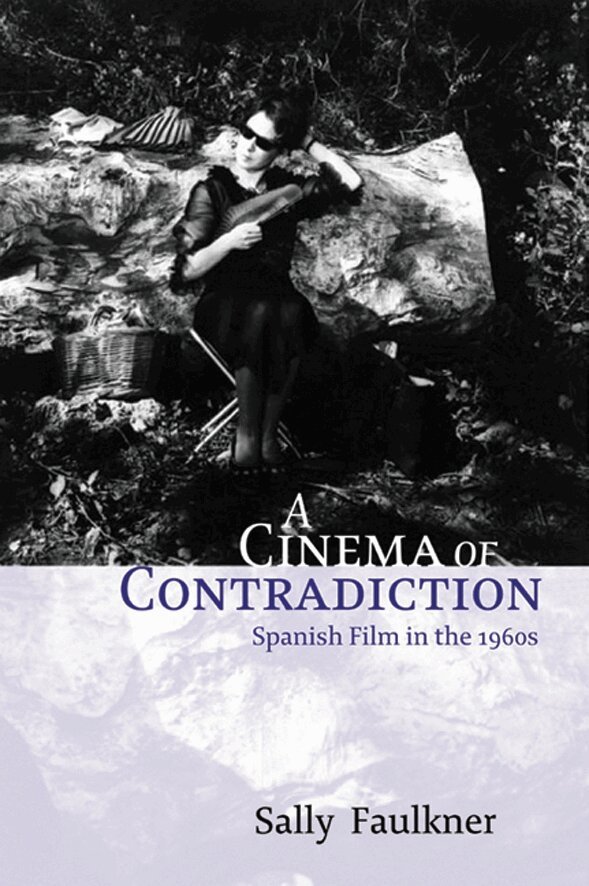
    Cinema of Contradiction

    Spanish Film in the 1960s

    AvSally Faulkner

    Inbunden, Engelska, 2006

    1 283 kr

    Tillfälligt slut

    Beskrivning

    A key decade in world cinema, the 1960s was also a crucial era of change in Spain. A Cinema of Contradiction, the first book to focus in depth on this period in Spain, analyses six films that reflect and interpret these transformations. The coexistence of traditional and modern values and the timid acceptance of limited change by Franco’s authoritarian regime are symptoms of the uneven modernity that characterises the period. Contradiction - the unavoidable effect of that unevenness - is the conceptual terrain explored by these six filmmakers. One of the most significant movements of Spanish film history, the ‘New Spanish Cinema’ art films explore contradictions in their subject matter, yet are themselves the contradictory products of the state’s protection and promotion of films that were ideologically opposed to it. A Cinema of Contradiction argues for a new reading of the movement as a compromised yet nonetheless effective cinema of critique. It also demonstrates the possible contestatory value of popular films of the era, suggesting that they may similarly explore contradictions. This book therefore reveals the overlaps between art and popular film in the period, and argues that we should see these as complementary rather than opposing areas of cinematic activity in Spain.Features* The first book-length study of Spanish cinema of the 1960s in English* Includes case studies of six key films: La gran familia (The Great Family), La ciudad no es para mí (The City’s Not For Me), Los farsantes (Frauds), La tía Tula (Aunt Tula), Nueve cartas a Berta (Nine Letters to Berta) and La caza (The Hunt)* Considers Spanish popular cinema of the period* Offers a detailed analysis of one of the key artistic movements of the Franco dictatorship in Spain, the ‘Nuevo Cine Español’ (New Spanish Cinema).

    Produktinformation

    • Utgivningsdatum:2006-02-22
    • Mått:156 x 234 x undefined mm
    • Vikt:494 g
    • Format:Inbunden
    • Språk:Engelska
    • Antal sidor:208
    • Förlag:Edinburgh University Press
    • ISBN:9780748621606

    Utforska kategorier

    • Film inom Kultur

    Mer om författaren

    Dr Sally Faulkner is a lecturer in Hispanic Studies and Film Studies at the University of Exeter. She is the author of numerous articles on Spanish cinema and the book Literary Adaptations in Spanish Cinema.

    Recensioner i media

    The author excels at clarifying the sociohistorical and production contexts of given films, and her innovative research should stimulate film historians to further assess the technical, artistic, and ideological overlaps and cross-fertilization that occurred between [Viejo Cinema Espanol and Nuevo Cinema Espanol]! The volume boasts a thoroughly scholaraly apparatus! Highly recommended. This is an excellent study of some of the most interesting films made in Spain in the 1960s. Sally Faulkner's elegant analysis draws attention to neglected as well as more familiar films in a period of transition. The book is a significant contribution to our understanding of 1960s Spanish cinema, in its popular as well as art-movie traditions. -- Peter Evans, Queen Mary, University of London The author excels at clarifying the sociohistorical and production contexts of given films, and her innovative research should stimulate film historians to further assess the technical, artistic, and ideological overlaps and cross-fertilization that occurred between [Viejo Cinema Espanol and Nuevo Cinema Espanol]! The volume boasts a thoroughly scholaraly apparatus! Highly recommended. This is an excellent study of some of the most interesting films made in Spain in the 1960s. Sally Faulkner's elegant analysis draws attention to neglected as well as more familiar films in a period of transition. The book is a significant contribution to our understanding of 1960s Spanish cinema, in its popular as well as art-movie traditions.

    Innehållsförteckning

    • Introduction: Contexts; PART I: SPANISH POPULAR CINEMA; 1. Franco's Great Family: La gran familia (The Great Family, Palacios 1962); 2. Civilising the City in La ciudad no es para mí (The City's Not For Me, Lazaga 1965); PART II: THE NUEVO CINE ESPAÑOL (NEW SPANISH CINEMA); 3. Reality and Pretence in Los farsantes (Frauds, Camus 1963); 4. Repression and Excess in La tía Tula (Aunt Tula, Picazo 1964); 5. Nationality and Identity in Nueve cartas a Berta (Nine Letters to Berta, Patino 1965); 6. Ageing and Coming of Age in La caza (The Hunt, Saura 1965); Conclusion: Overlaps; Filmography; Bibliography.