American Affect in the Postmodern Era
A Primer
551 kr
Beställningsvara. Skickas inom 10-15 vardagar. Fri frakt över 249 kr.
Du är på sajten för privatpersoner.
551 kr
Beställningsvara. Skickas inom 10-15 vardagar. Fri frakt över 249 kr.
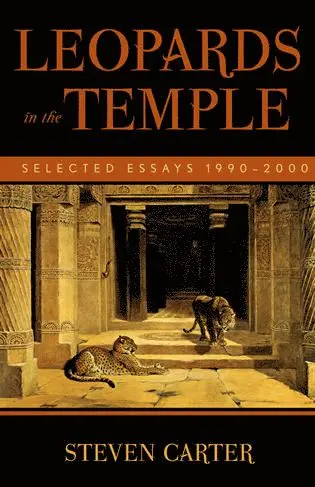
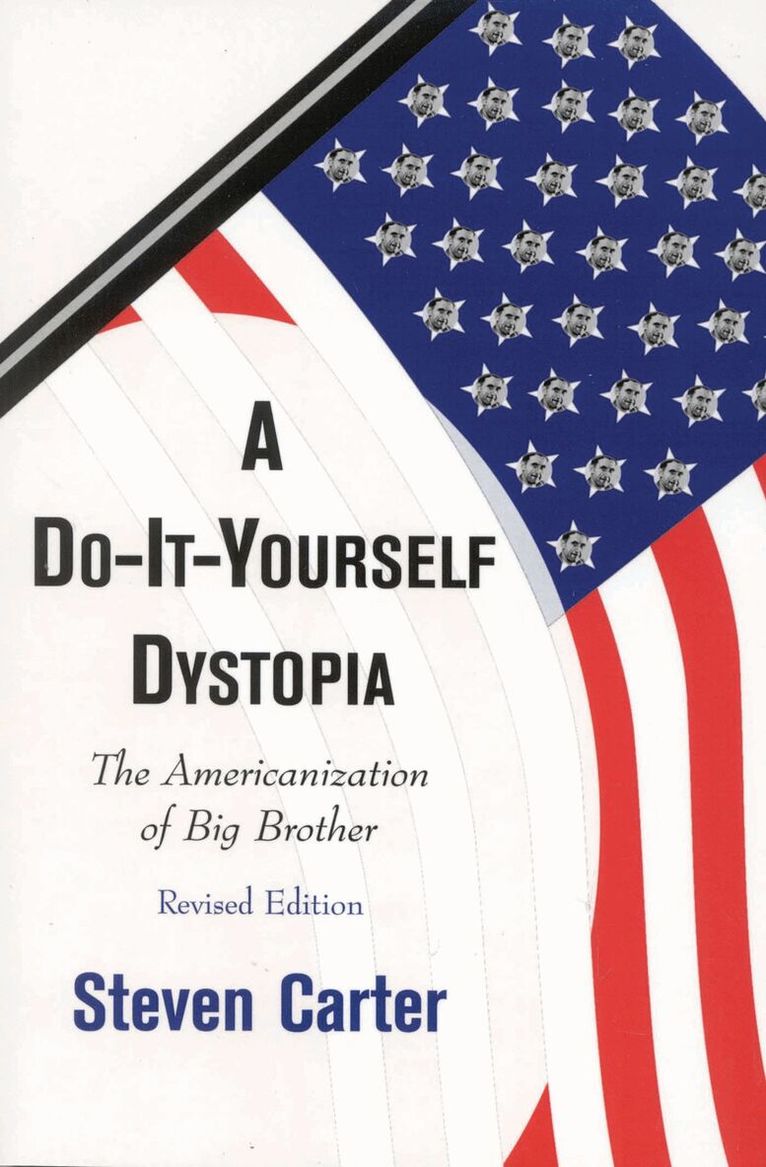
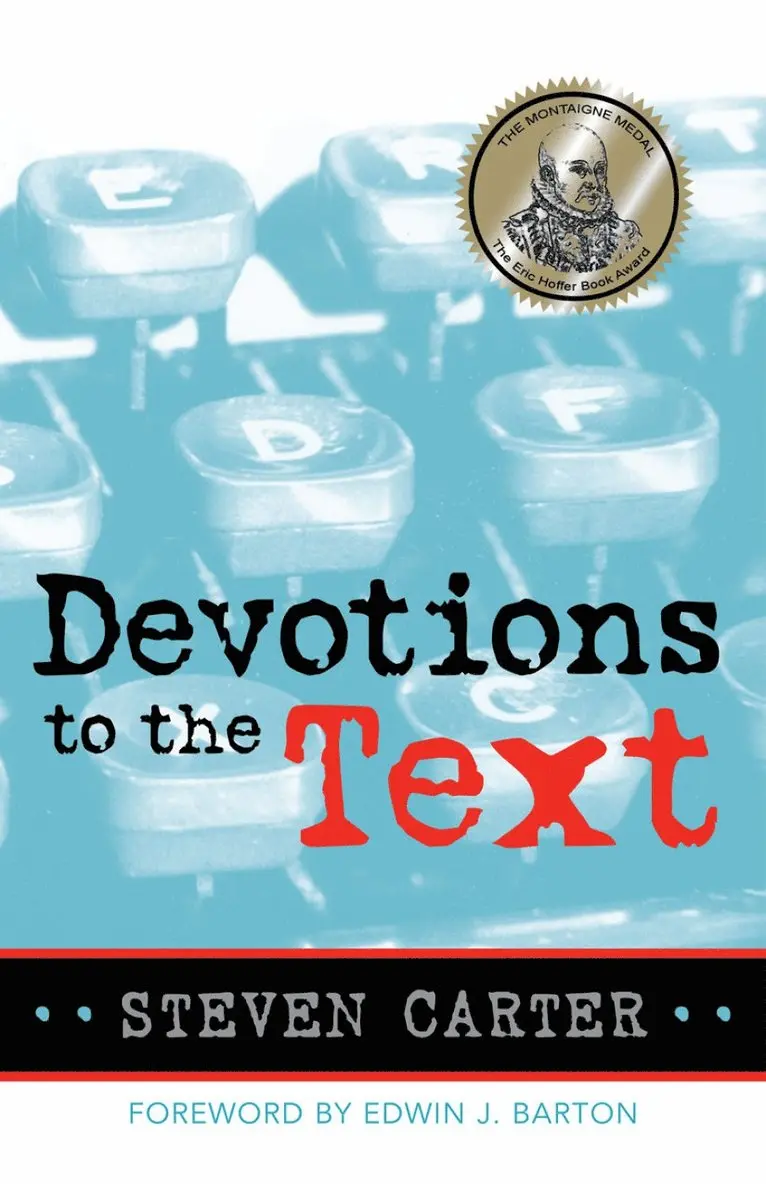
Steven Carter is the author of six books of literary and cultural criticism, including Devotions to the Text (University Press of America, 2004). In 1989 he was awarded the Schachterle Prize by the National Society for Literature and Science. In 2001 he became the only two-time winner of Italy's coveted Nuove Lettere International Poetry and Literature Prize. He was a nominee for the 2004 Holberg International Memorial Award, commonly known as Norway's Nobel Prize for scholars in the arts, humanities, and social sciences.
For me, the joy of reading Steven Carter is the joy of recognizing that the borders and horizons of our national life, from lifeless shopping malls that denature the meaning of time, to the trivial infinitude of TV channels, need not circumscribe our everyday existence. Taken as a whole, Carter's cultural criticism provides a marvelous perspective from which to seize upon the soul-restoring recognition that, mirabile dictu, we may yet find a way to refashion, or even remake, the better angels of our nature.
Du är på sajten för privatpersoner.
551 kr
Beställningsvara. Skickas inom 10-15 vardagar. Fri frakt över 249 kr.
Steven Carter is the author of six books of literary and cultural criticism, including Devotions to the Text (University Press of America, 2004). In 1989 he was awarded the Schachterle Prize by the National Society for Literature and Science. In 2001 he became the only two-time winner of Italy's coveted Nuove Lettere International Poetry and Literature Prize. He was a nominee for the 2004 Holberg International Memorial Award, commonly known as Norway's Nobel Prize for scholars in the arts, humanities, and social sciences.
For me, the joy of reading Steven Carter is the joy of recognizing that the borders and horizons of our national life, from lifeless shopping malls that denature the meaning of time, to the trivial infinitude of TV channels, need not circumscribe our everyday existence. Taken as a whole, Carter's cultural criticism provides a marvelous perspective from which to seize upon the soul-restoring recognition that, mirabile dictu, we may yet find a way to refashion, or even remake, the better angels of our nature.