• Fri frakt över 249 kr
  • •
  • Snabba leveranser
  • •
  • Billiga böcker
Kundservice

Du är på sajten för privatpersoner.

Företag, bibliotek eller offentlig verksamhet?

Du handlar på classic.bokus.com, där alla dina funktioner finns intakta.
Till classic.bokus.com
Bokus logotyp. Gå till startsidan.
  • Erbjudanden
  • Student
  • Topplistor
  • Barn & ungdom
  • Bokus Play
  • E-böcker
  • Ljudböcker
  • Pocketböcker
  • Spel och pussel

Pocketfynda! Hundratals böcker för 49 kr/st →

Sidfot

Mina sidor

    Hjälp

    • Kundservice
    • Vanliga frågor och svar
    • Frakt och leverans
    • Retur vid ångerrätt
    • Reklamera vara
    • Betalning
    • Köpvillkor
    • Allmänna villkor
    • Information om webbplatsens tillgänglighet

    Om Bokus

    • Om oss
    • Pressrum
    • För studenter
    • För företag
    • För bibliotek och offentlig verksamhet
    • För leverantörer
    • Hållbarhet

    Populärt

    • Aktuella erbjudanden
    • Presentkort
    • Studentlitteratur
    • Nya böcker
    • Topplistor
    • Signerade böcker
    • Engelska böcker

    Inspiration

    • Boktips
    • BookTok
    • Barnbokskaraktärer
    • Populära författare
    Logotyp för Bokus
    Följ oss på Facebook (extern länk)Följ oss på Instagram (extern länk)Följ oss på YouTube (extern länk)Följ oss på TikTok (extern länk)
    bokus @ CookiesAnpassa cookiesIntegritetspolicyKöpvillkor
    Till Citymail hemsida (extern länk)Till Budbee hemsida (extern länk)Till Postnord hemsida (extern länk)Till Schenker hemsida (extern länk)Till Early Bird hemsida (extern länk)Till Walleys hemsida (extern länk)
    1. Samhälle och politik
    2. Samhälle och kultur
    3. Kultur och medier
    4. Referensverk och tvärvetenskap

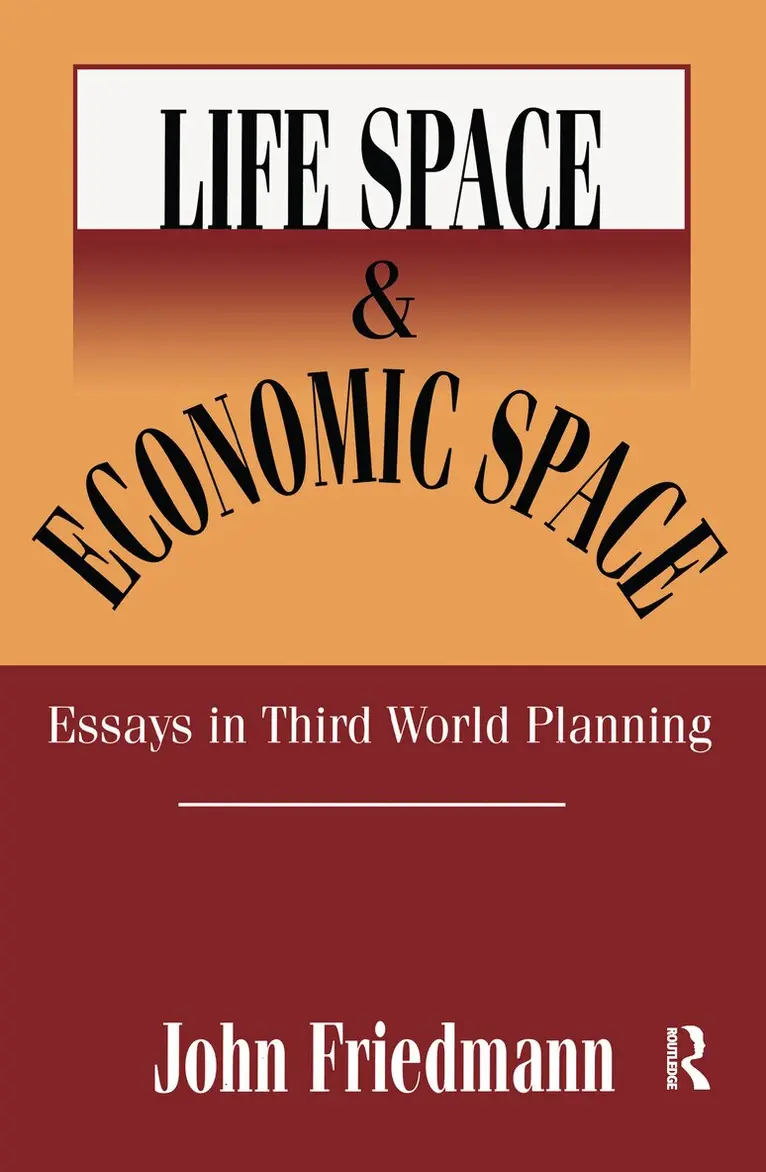
    Life Space and Economic Space

    Third World Planning in Perspective

    AvJohn Friedmann

    Häftad, Engelska, 2002

    510 kr

    Beställningsvara. Skickas inom 10-15 vardagar. Fri frakt över 249 kr.

    Fler format och utgåvor

    E-bok

    605 kr

    E-bok

    604 kr

    Beskrivning

    Friedmann perceives a global crisis which he traces to the dissolution of territorial relations. This he believes results from penetration of the global system of markets into the remotest corners of the world, undermining tradition cultures and ways of life. The consequence is incipient breakdown, he asserts, and we need to repoliticize space and subordinate the power of capital to the collective will of people organized to work toward common ends. This deliberately provocative collection of essays includes an autobiographical fragment providing contextual information about the author.

    Produktinformation

    • Utgivningsdatum:2002-06-30
    • Mått:152 x 229 x 23 mm
    • Vikt:620 g
    • Format:Häftad
    • Språk:Engelska
    • Antal sidor:316
    • Förlag:Taylor & Francis Inc
    • ISBN:9780765809421

    Utforska kategorier

    • Referensverk och tvärvetenskap inom Samhälle och politik
    • Internationell ekonomi inom Ekonomi och Ledarskap
    • Regional planering inom Naturvetenskap och teknik

    Mer om författaren

    John Friedmann is professor of urban planning at the University of California, Los Angeles. He spent more than a dozen years as a policy adviser in Brazil, Venezuela, Chile, Korea, and Japan. Among his best known books are Regional Development Policy and Planning in the Public Domain.

    Innehållsförteckning

    • Part I Urbanization in the Global Economy 1. On the Contradictions Between City and Countryside 2. The Crisis of Transition: A Critique of Strategies of Crisis Management 3. World City Formation 4. Life Space and Economic Space: Contradictions in Regional Development 5. The Barrio Economy and Collective Self-Empowerment in Latin America Part II Spatial Aspects of National Planning 6. The Spatial Organization of Power in the Development of Urban Systems 7. Urban Bias in Regional Development 8. The Active Community: Toward a Political-Territorial Framework for Rural Development in Asia 9. Political and Technical Moments in Planning: Agropolitan Development Revisited 10. Planning in Latin America: From Technocratic Illusion to Open Democracy Part III Epilogue 11. The Crisis of Belief