• Fri frakt över 249 kr
  • •
  • Snabba leveranser
  • •
  • Billiga böcker
Kundservice

Du är på sajten för privatpersoner.

Företag, bibliotek eller offentlig verksamhet?

Du handlar på classic.bokus.com, där alla dina funktioner finns intakta.
Till classic.bokus.com
Bokus logotyp. Gå till startsidan.
  • Erbjudanden
  • Nyheter
  • Student
  • Topplistor
  • Barn & ungdom
  • Bokus Play
  • E-böcker
  • Pocketböcker
  • Spel & pussel

10% rabatt på allt med kod: NYSTART10 →

Sidfot

Mina sidor

    Hjälp

    • Kundservice
    • Vanliga frågor och svar
    • Frakt och leverans
    • Retur vid ångerrätt
    • Reklamera vara
    • Betalning
    • Köpvillkor
    • Allmänna villkor
    • Information om webbplatsens tillgänglighet

    Om Bokus

    • Om oss
    • Pressrum
    • För studenter
    • För företag
    • För bibliotek och offentlig verksamhet
    • För leverantörer
    • Hållbarhet

    Populärt

    • Aktuella erbjudanden
    • Presentkort
    • Studentlitteratur
    • Nya böcker
    • Topplistor
    • Signerade böcker
    • Engelska böcker

    Inspiration

    • Boktips
    • BookTok
    • Populära bokserier
    • Barnbokskaraktärer
    • Populära författare
    Logotyp för Bokus
    Följ oss på Facebook (extern länk)Följ oss på Instagram (extern länk)Följ oss på YouTube (extern länk)Följ oss på TikTok (extern länk)
    bokus @ CookiesAnpassa cookiesIntegritetspolicyKöpvillkor
    Till Citymail hemsida (extern länk)Till Budbee hemsida (extern länk)Till Postnord hemsida (extern länk)Till Schenker hemsida (extern länk)Till Early Bird hemsida (extern länk)Till Walleys hemsida (extern länk)
    1. Samhälle och politik
    2. Sociologi och antropologi
    3. Sociologi

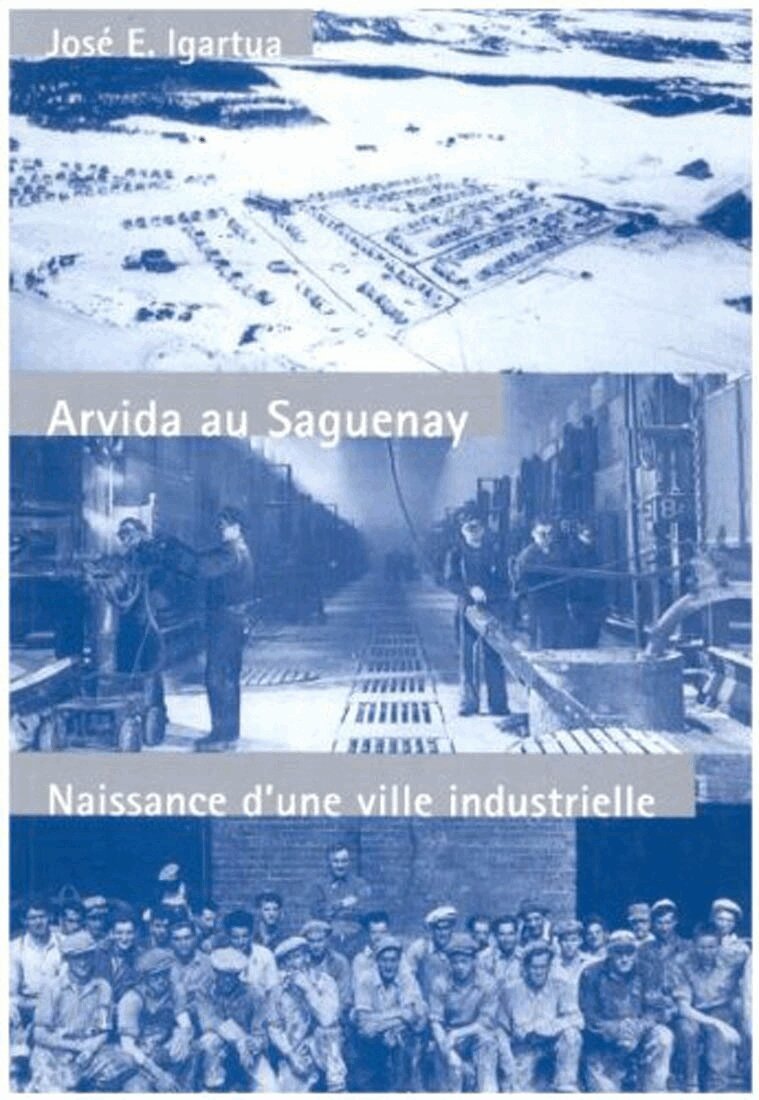
    Arvida Au Saguenay

    Naissance D'une Ville Industrielle

    AvJosé E. Igartua

    Häftad, Franska, 1996

    Del i serien Studies on the History of Quebec/Études D'histoire Du Québec

    534 kr

    Beställningsvara. Skickas inom 10-15 vardagar. Fri frakt över 249 kr.

    Fler format och utgåvor

    E-bok

    1 067 kr

    Beskrivning

    The town of Arvida provides a field on which we can observe in microcosm the birth of an industrial town and the development of the population's identity as a community. Using a wealth of quantitative and qualitative data, José Igartua examines what type of people chose to come, who decided to stay, how they lived, and how the demographic traits of the region shifted. He argues that even though a significant proportion of the population came from outside the region Arvida gradually acquired the character of a Saguenay town, where family, the Catholic Church, and French-Canadian culture were dominant. Igartua pays particular attention to the local labour movement, which culminated in the famous wildcat strike of 1941, revealing that the fight for collective action was the turning point in the development of a community consciousness.

    Produktinformation

    • Utgivningsdatum:1996-05-09
    • Mått:229 x 151 x 22 mm
    • Vikt:510 g
    • Format:Häftad
    • Språk:Franska
    • Serie:Studies on the History of Quebec/Études D'histoire Du Québec
    • Antal sidor:288
    • Förlag:McGill-Queen's University Press
    • ISBN:9780773513785

    Utforska kategorier

    • Sociologi inom Samhälle och politik
    • Sociala grupper och identitet inom Samhälle och politik

    Mer om författaren

    José E. Igartua is a retired professor of history at the Université du Québec à Montréal.

    Recensioner i media

    "An excellent portrait of the evolution of Arvida in the first twenty years of existence. This is one of the few investigations of its type to be produced in Quebec in recent years on the history of the working class. Arvida au Saguenay makes an important and original contribution to social history." [translation] Fernand Harvey, INRS -- Culture et Société, Québec. "Arvida au Saguenay fills a significant gap in Quebec historiography. Igartua's analysis of the work force, the union movement, and the 1941 strike adds an important new dimension to Canadian labour and working-class history." Jack Little, Department of History, Simon Fraser University.