• Fri frakt över 249 kr
  • •
  • Snabba leveranser
  • •
  • Billiga böcker
Kundservice

Du är på sajten för privatpersoner.

Företag, bibliotek eller offentlig verksamhet?

Du handlar på classic.bokus.com, där alla dina funktioner finns intakta.
Till classic.bokus.com
Bokus logotyp. Gå till startsidan.
  • Erbjudanden
  • Nyheter
  • Student
  • Topplistor
  • Barn & ungdom
  • Bokus Play
  • E-böcker
  • Pocketböcker
  • Spel & pussel

10% rabatt på allt med kod: NYSTART10 →

Sidfot

Mina sidor

    Hjälp

    • Kundservice
    • Vanliga frågor och svar
    • Frakt och leverans
    • Retur vid ångerrätt
    • Reklamera vara
    • Betalning
    • Köpvillkor
    • Allmänna villkor
    • Information om webbplatsens tillgänglighet

    Om Bokus

    • Om oss
    • Pressrum
    • För studenter
    • För företag
    • För bibliotek och offentlig verksamhet
    • För leverantörer
    • Hållbarhet

    Populärt

    • Aktuella erbjudanden
    • Presentkort
    • Studentlitteratur
    • Nya böcker
    • Topplistor
    • Signerade böcker
    • Engelska böcker

    Inspiration

    • Boktips
    • BookTok
    • Populära bokserier
    • Barnbokskaraktärer
    • Populära författare
    Logotyp för Bokus
    Följ oss på Facebook (extern länk)Följ oss på Instagram (extern länk)Följ oss på YouTube (extern länk)Följ oss på TikTok (extern länk)
    bokus @ CookiesAnpassa cookiesIntegritetspolicyKöpvillkor
    Till Citymail hemsida (extern länk)Till Budbee hemsida (extern länk)Till Postnord hemsida (extern länk)Till Schenker hemsida (extern länk)Till Early Bird hemsida (extern länk)Till Walleys hemsida (extern länk)
    1. Ekonomi och Ledarskap
    2. Industrier och branscher
    3. Servicesektorn

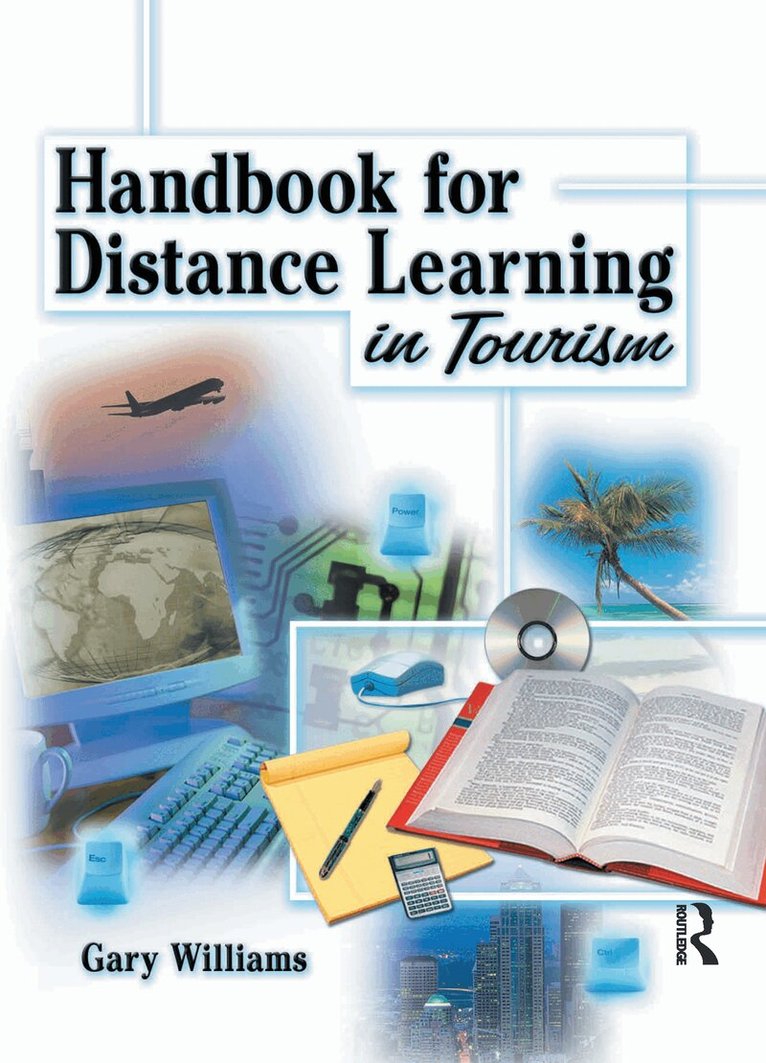
    Handbook for Distance Learning in Tourism

    AvGary Williams

    Inbunden, Engelska, 2005

    2 355 kr

    Beställningsvara. Skickas inom 10-15 vardagar. Fri frakt över 249 kr.

    Fler format och utgåvor

    E-bok

    913 kr

    E-bok

    913 kr

    Häftad

    Tillf. slut

    Beskrivning

    Deliver quality instruction to your studentson-campus or offThe Handbook for Distance Learning in Tourism is a practical, down-to-earth guide to developing and using print-based and Internet-based flexible learning resources for courses where students rarely, if ever, attend on-campus classes. Whether you’re a teacher who needs to develop course notes into a flexible learning package, a Web site, or both, or you just want information about how to teach in a flexible environment, the book will provide the help you need-in language you can understand. Designed to guide you through the completion of a projector a semesterthis hands-on book offers strategies, suggestions, hints, and examples, and includes a hotel and tourism case study that illustrates effective concepts and strategies.Written by Gary Williams, co-editor of The Internet and Travel and Tourism Education (Haworth), this unique book will help you develop print-based and Internet-based learning resources instead of focusing only on one or the other, breaking down the barriers placed between learning environments. The strategies presented are timeless, with no comparisons of specific commercial or noncommercial products to become outdated and no Web site addresses to become useless. The book makes extensive use of tables, graphics, and illustrations and has its own Web site that’s regularly updated, listing online resources arranged on a chapter-by-chapter basis.The Handbook for Distance Learning in Tourism examines:the roles and characteristics of a project manager developing and buying resources considerations before committing to a project maximizing project ownership ensuring quality content educational design guidelines media foundations production, design, and maintenance of print resources developing and using Web sites computer-mediated contact course management systems (CMS) and much more!The Handbook for Distance Learning in Tourism is an invaluable guidebook for educators working in the field of hotel and tourism management as well as academics, project managers, and educational designers who are interested in flexible learning developments.

    Produktinformation

    • Utgivningsdatum:2005-07-27
    • Mått:148 x 210 x 18 mm
    • Vikt:650 g
    • Format:Inbunden
    • Språk:Engelska
    • Antal sidor:266
    • Förlag:Taylor & Francis Inc
    • ISBN:9780789018595

    Utforska kategorier

    • Servicesektorn inom Ekonomi och Ledarskap
    • Skolan och förskolan inom Psykologi och pedagogik

    Innehållsförteckning

    • Preface Acknowledgments Chapter 1. Introduction to Flexible Learning and the Case Study Objectives Topic 1.1: What Is a Flexible Learning Environment? Topic 1.2: Maximizing the Return on Investment Topic 1.3: Introducing the Case Study Topic 1.4: The Development Model Key Points Chapter 2. The Project Manager Objectives Topic 2.1: Every Project Has a Manager Topic 2.2: The Role and Characteristics of a Project Manager Topic 2.3: Project Management Aids Topic 2.4: The Project As Organized Chaos Key Points Chapter 3. Starting a Project Objectives Topic 3.1: The Spark Topic 3.2: Developing and Buying Resources Topic 3.3: The Project Team Topic 3.4: Stakeholder Meetings Topic 3.5: Maximizing Project Ownership Topic 3.6: Considerations Before Committing to a ProjectA Self-Appraisal for Teachers Key Points Chapter 4. Educational and Design Foundations Objectives Topic 4.1: Introduction Topic 4.2: ConstructivismA Theory of Knowledge Topic 4.3: Ensuring Quality Content Topic 4.4: Educational Design Guidelines for Learning Resources Topic 4.5: Writing a Course Outline Topic 4.6: Copyright Key Points Chapter 5. Media Foundations Objectives Topic 5.1: Introduction Topic 5.2: The Teacher Is Essential Topic 5.3: Determining the Needs, Wants, and Technology Access of Students Topic 5.4: Secondary DeterminantsTeacher, Institution, and Course Factors Topic 5.5: Using Media Instead of a Medium Key Points Chapter 6. Developing Print Resources Objectives Topic 6.1: Introduction Topic 6.2: Advantages and Disadvantages of Print Learning Resources Topic 6.3: Production Topic 6.4: Design Topic 6.5: Maintenance and Revision Key Points Chapter 7. Developing and Using Web Sites Objectives Topic 7.1: Introduction Topic 7.2: Advantages and Disadvantages of Web Sites Topic 7.3: Using the World Wide Web Topic 7.4: Production Topic 7.5: Design Topic 7.6: Maintenance and Revision Key Points Chapter 8. Computer-Mediated Contact Objectives Topic 8.1: Introduction Topic 8.2: The Advantages and Challenges of Computer-Mediated Contact Topic 8.3: Teachers’ Roles Topic 8.4: Training and Support Roles Key Points Chapter 9. Course Management Systems Objectives Topic 9.1: Introduction Topic 9.2: The Advantages and Challenges of Course Management Systems Topic 9.3: A Teacher’s PerspectiveUsing A Course Management System Topic 9.4: Training and Support Roles Key Points Chapter 10. Teaching in a Flexible Learning Environment Objectives Topic 10.1: Introduction Topic 10.2: Before a Course Starts Topic 10.3: The Start of a Course Topic 10.4: During a Course Topic 10.5: The Responsibilities of Educational Designers Key Points Chapter 11. Being a Student in a Flexible Learning Environment Objectives Topic 11.1: Introduction Topic 11.2: The Advantages and Challenges of Flexible Learning Topic 11.3: You Have Enrolled in a Flexible Learning CourseWhat Now? Topic 11.4: Making the Most of Learning Resources Key Points References Index