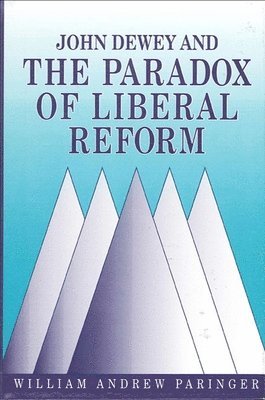
Häftad, Engelska, 1990
John Dewey and the Paradox of Liberal Reform
463 kr
Beställningsvara. Skickas inom 5-8 vardagar. Fri frakt över 249 kr.
Beskrivning
This book provides a fresh critique of John Dewey and the progressive tradition and warns against the superficial renaissance of Deweyan philosophy present in many of today's modern liberal educational reform movements. Challenging the four pillars of Dewey's pragmatism - science, nature, democracy, experience - Paringer argues for a critical or radical education praxis that more sensitively comes to grips with the difficulties of the nuclearized, postmodern world.
Produktinformation
- Utgivningsdatum: 1990-07-05
- Mått: 152 x 229 x 14 mm
- Vikt: 313 g
- Format: Häftad
- Språk: Engelska
- Serie: SUNY series, Global Conflict and Peace Education
- Antal sidor: 215
- Förlag: State University of New York Press
- ISBN: 9780791402542
Utforska kategorier
Betyg & recensioner
0 recensioner
Inga recensioner tillgängliga.