• Fri frakt över 249 kr
  • •
  • Snabba leveranser
  • •
  • Billiga böcker
Kundservice

Du är på sajten för privatpersoner.

Företag, bibliotek eller offentlig verksamhet?

Du handlar på classic.bokus.com, där alla dina funktioner finns intakta.
Till classic.bokus.com
Bokus logotyp. Gå till startsidan.
  • Erbjudanden
  • Nyheter
  • Student
  • Topplistor
  • Barn & ungdom
  • Bokus Play
  • E-böcker
  • Pocketböcker
  • Spel & pussel

10% studentrabatt med kod TERM26

Sidfot

Mina sidor

    Hjälp

    • Kundservice
    • Vanliga frågor och svar
    • Frakt och leverans
    • Retur vid ångerrätt
    • Reklamera vara
    • Betalning
    • Köpvillkor
    • Allmänna villkor
    • Information om webbplatsens tillgänglighet

    Om Bokus

    • Om oss
    • Pressrum
    • För studenter
    • För företag
    • För bibliotek och offentlig verksamhet
    • För leverantörer
    • Hållbarhet

    Populärt

    • Aktuella erbjudanden
    • Presentkort
    • Studentlitteratur
    • Nya böcker
    • Topplistor
    • Signerade böcker
    • Engelska böcker

    Inspiration

    • Boktips
    • BookTok
    • Populära bokserier
    • Barnbokskaraktärer
    • Populära författare
    Logotyp för Bokus
    Följ oss på Facebook (extern länk)Följ oss på Instagram (extern länk)Följ oss på YouTube (extern länk)Följ oss på TikTok (extern länk)
    bokus @ CookiesAnpassa cookiesIntegritetspolicyKöpvillkor
    Till Citymail hemsida (extern länk)Till Budbee hemsida (extern länk)Till Postnord hemsida (extern länk)Till Schenker hemsida (extern länk)Till Early Bird hemsida (extern länk)Till Walleys hemsida (extern länk)
    1. Filosofi och religion
    2. Religion och tro
    3. Andra religioner och trosföreställningar
    4. Östasiatiska religioner

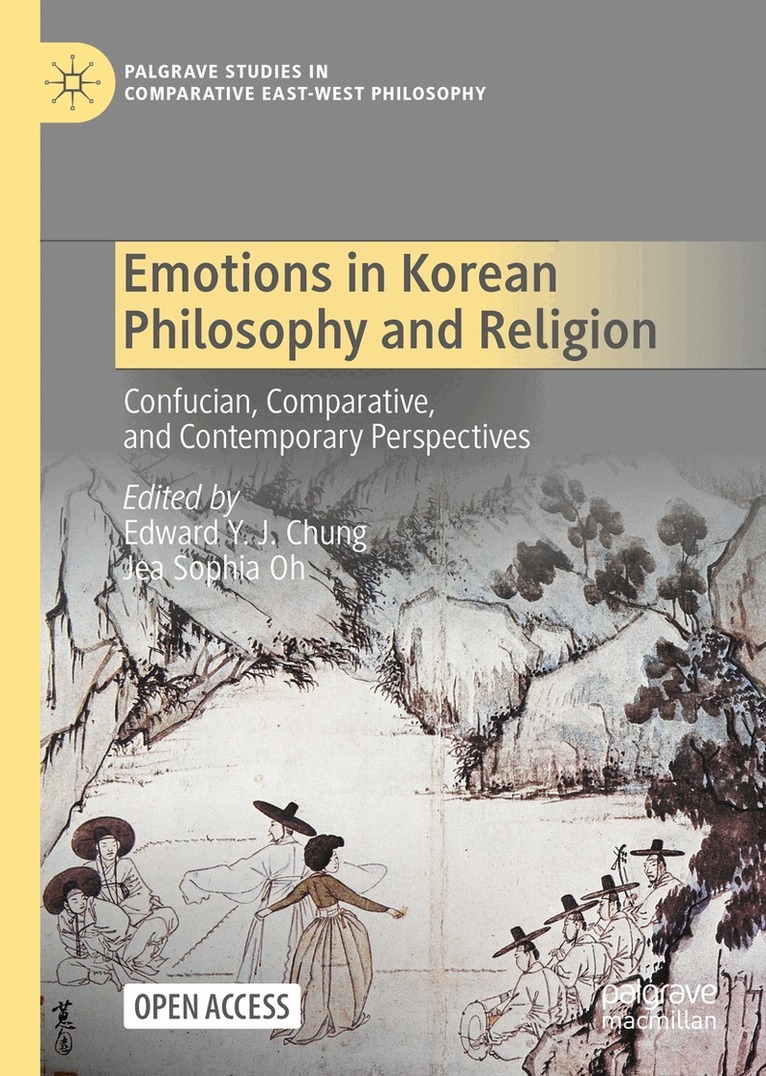
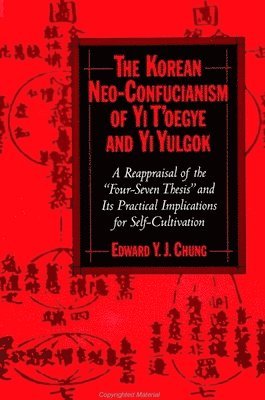
    Korean Neo-Confucianism of Yi T'oegye and Yi Yulgok

    A Reappraisal of the 'Four-Seven Thesis' and its Practical Implications for Self-Cultivation

    AvEdward Y. J. Chung

    Inbunden, Engelska, 1995

    Del i serien SUNY series in Korean Studies

    1 076 kr

    Tillfälligt slut

    Fler format och utgåvor

    Häftad

    Tillf. slut

    Beskrivning

    A study of the most significant debate in Korean Neo-Confucianism between the two most eminent Neo-Confucian thinkers, summarizing their philosophies and providing refreshing insights into Confucian language and cultureThis comparative study of Yi T'oegye (1501-1570) and Yi Yulgok (1536-1584), Korea's two most eminent Neo-Confucian thinkers, is a seminal work on the Four-Seven Debate, the most significant and controversial intellectual event in the Korean Confucian tradition. The Four-Seven thesis, a magnificent example of East Asian Confucian discourse at its best, remains each thinker's masterpiece, a compressed but integrated systemization of metaphysics, ethics, and spirituality. It addresses fascinating philosophical, moral, and psychological questions about the fundamental problem of feelings and emotions, as well as their implications for moral and spiritual self-transformation.This book is indispensable for those interested in Korean thought or intellectual history. It will enable specialists in Confucian studies to understand unique paradigms of Korean Neo-Confucianism. It will stimulate comparative philosophers or religionists and general humanists to consider Korean Neo-Confucianism seriously as a major resource for understanding East Asian philosophy and religion.
    Produktinformation

    • Utgivningsdatum:1995-07-20
    • Mått:152 x 229 x 19 mm
    • Vikt:644 g
    • Format:Inbunden
    • Språk:Engelska
    • Serie:SUNY series in Korean Studies
    • Antal sidor:353
    • Förlag:State University of New York Press
    • ISBN:9780791422755

    Utforska kategorier

    • Östasiatiska religioner inom Filosofi och religion

    Mer om författaren

    Edward Y. J. Chung is Assistant Professor of Religion and Asian Studies, University of Prince Edward Island.

    Innehållsförteckning

    • Foreword by Julia Ching Preface Acknowledgments A Note on Style and Translation Abbreviations Historical Background: Korean Neo-Confucianism The Rise of Neo-Confucianism in the Koryo PeriodNeo-Confucianism in the Early Choson DynastySongnihak before T'oegye and Yulgok in Sixteenth-Century KoreaYi Hwang (T'oegye, 1501-1570)Yi I (Yulgok, 1536-1584)Why the Four-Seven Controversy Developed in Korea:Some Historical ReflectionsI. Philosophical Introduction: The Fruitful Four-Seven Legacy The Locus Classicus for the Ideas of the Four Beginnings and the Seven EmotionsThe Ch'eng-Chu Interpretation in ChinaQuestions and Issues Raised in the Korean Four-Seven Debates /II.T'oegye's Four-Seven Thesis Kobong's Challenge to T'oegye: The Continuum of the Four and the SevenT'oegye's Response to Kobong's First Challenge: The Distinction of the Four and the SevenKobong's Second Challenge: The Inseparability of I and Ki and the Oneness of Human NatureT'oegye's Revised Four-Seven Theory of "Alternate Manifestation"The Last Exchange on the Moon-Moonlight Analogy: Unity or Duality?III.Yulgok's Four-Seven Thesis Human Mind and Moral Mind: The Unity and Duality of the MindThe Continuum of Feelings: The Four in the SevenThe Oneness of Human NatureA Critique of T'oegye's Theory of Alternate Manifestation: The Working of KiThe Inseparability and Harmony of I and KiIV. Practical Implications for T'oegye Principle and Self-CultivationFeelings and the Learning of Mind-and-Heart (Simhak)Sagehood and the Learning of Reverential Seriousness (Kyonghak)Self-Cultivation as an Ethico-Spiritual IdealV. Practical Implications For Yulgok Good And Evil: The Nourishment Of KiSelf-Cultivation And Emotional IntegrationSagehood And Learning Sincerity (Songhak)Practical Learning (Sirhak) As An Ethico-Political IdealVI. Conclusions: A Comparison Of T'oegye And Yulgok Epilogue: The I-Ki And Four-Seven Controversy After T'oegye And Yulgok The School Of The Primacy OfThe School Of The Primacy OfkiThe Eclectic SchoolAppendix 1 T'oegye's Diagram Of The Mind, Human Nature, And FeelingsAppendix 2 Yulgok's Diagram Ofthe Human Mind And The Moral MindAppendix 3 A Chronological And Annotated List Ofyi T'oegye's Major Writings CitedAppendix 4 A Chronological And Annotated List Ofyi Yulgok's Major Writings CitedNotes Glossary: Major Terms, Names, and Titles CitedIndex Selected Bibliography