Häftad, Engelska, 1998
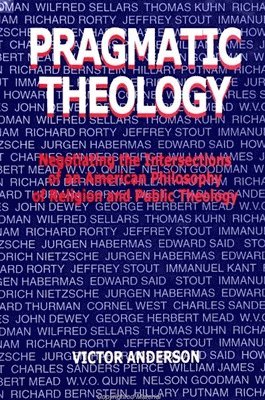
Pragmatic Theology
Negotiating the Intersections of an American Philosophy of Religion and Public Theology
Del i serien SUNY series, Religion and American Public Life
394 kr
Tillfälligt slut
Beskrivning
Produktinformation
- Utgivningsdatum: 1998-02-05
- Mått: 150 x 227 x 11 mm
- Vikt: 272 g
- Format: Häftad
- Språk: Engelska
- Serie: SUNY series, Religion and American Public Life
- Antal sidor: 172
- Förlag: State University of New York Press
- ISBN: 9780791436387
Utforska kategorier
Mer om författaren
Victor Anderson is Assistant Professor of Christian Ethics, Vanderbilt University, the Divinity School. He is the author of Beyond Ontological Blackness: An Essay in African American Religious and Cultural Criticism.
Recensioner i media
"A solid, scholarly, constructive advancement of the conversation among competing voices concerning the moral and spiritual issues facing us in America today is of paramount importance. This is such a book."Anderson's pragmatic solution to the problem of a public theology is important. This is a discussion which includes secular philosophy—an important point because the discussion is usually cast in terms of a public theology which addresses only religious pluralism, not the non-religious views or stance of atheists and agnostics and the non-religious generally." — Jerome A. Stone, William Rainey Harper College
Betyg & recensioner
0 recensioner
Inga recensioner tillgängliga.