• Fri frakt över 249 kr
  • •
  • Snabba leveranser
  • •
  • Billiga böcker
Kundservice

Du är på sajten för privatpersoner.

Företag, bibliotek eller offentlig verksamhet?

Du handlar på classic.bokus.com, där alla dina funktioner finns intakta.
Till classic.bokus.com
Bokus logotyp. Gå till startsidan.
  • Erbjudanden
  • Student
  • Topplistor
  • Barn & ungdom
  • Bokus Play
  • E-böcker
  • Ljudböcker
  • Pocketböcker
  • Spel och pussel

5% studentrabatt – använd koden KURSBOK27 →

Sidfot

Mina sidor

    Hjälp

    • Kundservice
    • Vanliga frågor och svar
    • Frakt och leverans
    • Retur vid ångerrätt
    • Reklamera vara
    • Betalning
    • Köpvillkor
    • Allmänna villkor
    • Information om webbplatsens tillgänglighet

    Om Bokus

    • Om oss
    • Pressrum
    • För studenter
    • För företag
    • För bibliotek och offentlig verksamhet
    • För leverantörer
    • Hållbarhet

    Populärt

    • Aktuella erbjudanden
    • Presentkort
    • Studentlitteratur
    • Nya böcker
    • Topplistor
    • Signerade böcker
    • Engelska böcker

    Inspiration

    • Boktips
    • BookTok
    • Barnbokskaraktärer
    • Populära författare
    Logotyp för Bokus
    Följ oss på Facebook (extern länk)Följ oss på Instagram (extern länk)Följ oss på YouTube (extern länk)Följ oss på TikTok (extern länk)
    bokus @ CookiesAnpassa cookiesIntegritetspolicyKöpvillkor
    Till Citymail hemsida (extern länk)Till Budbee hemsida (extern länk)Till Postnord hemsida (extern länk)Till Schenker hemsida (extern länk)Till Early Bird hemsida (extern länk)Till Walleys hemsida (extern länk)
    1. Historia och arkeologi
    2. Historia
    3. Europas historia

    Performing Justice

    Agitation Trials in Early Soviet Russia

    AvElizabeth A. Wood

    Inbunden, Engelska, 2005

    990 kr

    Beställningsvara. Skickas inom 10-15 vardagar. Fri frakt över 249 kr.

    Beskrivning

    After seizing power in 1917, the Bolshevik regime faced the daunting task of educating and bringing culture to the vast and often illiterate mass of Soviet soldiers, workers, and peasants. As part of this campaign, civilian educators and political instructors in the military developed didactic theatrical fictions performed in workers' and soldiers' clubs in the years from 1919 to 1933. The subjects addressed included politics, religion, agronomy, health, sexuality, and literature. The trials were designed to permit staging by amateurs at low cost, thus engaging the citizenry in their own remaking. In reconstructing the history of the so-called agitation trials and placing them in a rich social context, Elizabeth A. Wood makes a major contribution to rethinking the first decade of Soviet history. Her book traces the arc by which a regime's campaign to educate the masses by entertaining and disciplining them culminated in a policy of brute shaming.Over the course of the 1920s, the nature of the trials changed, and this process is one of the main themes of the later chapters of Wood's book. Rather than humanizing difficult issues, the trials increasingly made their subjects (alcoholics, boys who smoked, truants) into objects of shame and dismissal. By the end of the decade and the early 1930s, the trials had become weapons for enforcing social and political conformity. Their texts were still fictional—indeed, fantastical—but the actors and the verdicts were now all too real.

    Produktinformation

    • Utgivningsdatum:2005-05-17
    • Mått:152 x 229 x 27 mm
    • Vikt:907 g
    • Format:Inbunden
    • Språk:Engelska
    • Antal sidor:312
    • Förlag:Cornell University Press
    • ISBN:9780801442575

    Utforska kategorier

    • Europas historia inom Historia och arkeologi

    Mer om författaren

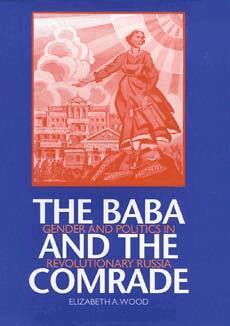
    Elizabeth A. Wood is Associate Professor of History at the Massachusetts Institute of Technology and Director of the M.I.T. Program in Women's Studies. She is the author of The Baba and the Comrade: Gender and Politics in Revolutionary Russia.

    Recensioner i media

    "Elizabeth A. Wood traces how a creative educational experiment—the agitation trial—turned into a method of oppression. This excellent book should be read as a primer on the utopian and dystopian possibilities inherent in the Russian Revolution."