• Fri frakt över 249 kr
  • •
  • Snabba leveranser
  • •
  • Billiga böcker
Kundservice

Du är på sajten för privatpersoner.

Företag, bibliotek eller offentlig verksamhet?

Du handlar på classic.bokus.com, där alla dina funktioner finns intakta.
Till classic.bokus.com
Bokus logotyp. Gå till startsidan.
  • Erbjudanden
  • Nyheter
  • Student
  • Topplistor
  • Barn & ungdom
  • Bokus Play
  • E-böcker
  • Pocketböcker
  • Spel & pussel

10% rabatt på allt med kod NYSTART10 →

Sidfot

Mina sidor

    Hjälp

    • Kundservice
    • Vanliga frågor och svar
    • Frakt och leverans
    • Retur vid ångerrätt
    • Reklamera vara
    • Betalning
    • Köpvillkor
    • Allmänna villkor
    • Information om webbplatsens tillgänglighet

    Om Bokus

    • Om oss
    • Pressrum
    • För studenter
    • För företag
    • För bibliotek och offentlig verksamhet
    • För leverantörer
    • Hållbarhet

    Populärt

    • Aktuella erbjudanden
    • Presentkort
    • Studentlitteratur
    • Nya böcker
    • Topplistor
    • Signerade böcker
    • Engelska böcker

    Inspiration

    • Boktips
    • BookTok
    • Populära bokserier
    • Barnbokskaraktärer
    • Populära författare
    Logotyp för Bokus
    Följ oss på Facebook (extern länk)Följ oss på Instagram (extern länk)Följ oss på YouTube (extern länk)Följ oss på TikTok (extern länk)
    bokus @ CookiesAnpassa cookiesIntegritetspolicyKöpvillkor
    Till Citymail hemsida (extern länk)Till Budbee hemsida (extern länk)Till Postnord hemsida (extern länk)Till Schenker hemsida (extern länk)Till Early Bird hemsida (extern länk)Till Walleys hemsida (extern länk)
    1. Filosofi och religion
    2. Religion och tro
    3. Islam

    Islam in Saudi Arabia

    AvDavid Commins

    Häftad, Engelska, 2015

    535 kr

    Beställningsvara. Skickas inom 3-6 vardagar. Fri frakt över 249 kr.

    Fler format och utgåvor

    Inbunden

    2 211 kr

    E-bok

    302 kr

    Häftad

    285 kr

    Beskrivning

    "Royal power, oil, and puritanical Islam are primary elements in Saudi Arabia's rise to global influence. Oil is the reason for Western interest in the kingdom and the foundation for commercial, diplomatic, and strategic relations. Were it not for oil, the government of Saudi Arabia would lack the resources to construct a modern economy and infrastructure, and to thrust the kingdom into regional prominence. Were it not for oil, Saudi Arabia would not be able to fund institutions that spread its religious doctrine to Muslim and non-Muslim countries. That doctrine, commonly known as Wahhabism, is a puritanical form of Islam that is distinctive in a number of ways, most visibly for how it makes public observance of religious norms a matter of government enforcement rather than individual disposition and social conformity, as it is in other Muslim countries."—from the IntroductionSaudi Arabia is often portrayed as a country where religious rules dictate every detail of daily life: where women may not drive; where unrelated men and women may not interact; where women veil their faces; and where banks, restaurants, and cafés have dual facilities: one for families, another for men. Yet everyday life in the kingdom does not entirely conform to dogma. David Commins challenges the stereotype of Saudi Arabia as a country immune to change by highlighting the ways that urbanization, education, consumerism, global communications, and technological innovation have exerted pressure against rules issued by the religious establishment. Commins places the Wahhabi movement in the wider context of Islamic history, showing how state-appointed clerics built on dynastic backing to fashion a model society of Sharia observance and moral virtue. Beneath a surface appearance of obedience to Islamic authority, however, he detects reflections of Arabia's heritage of diversity (where Shi'ite and Sufi tendencies predating the Saudi era survive in the face of discrimination) and the effects of its exposure to Western mores.
    Produktinformation

    • Utgivningsdatum:2015-05-01
    • Mått:152 x 229 x 18 mm
    • Vikt:454 g
    • Format:Häftad
    • Språk:Engelska
    • Antal sidor:277
    • Förlag:Cornell University Press
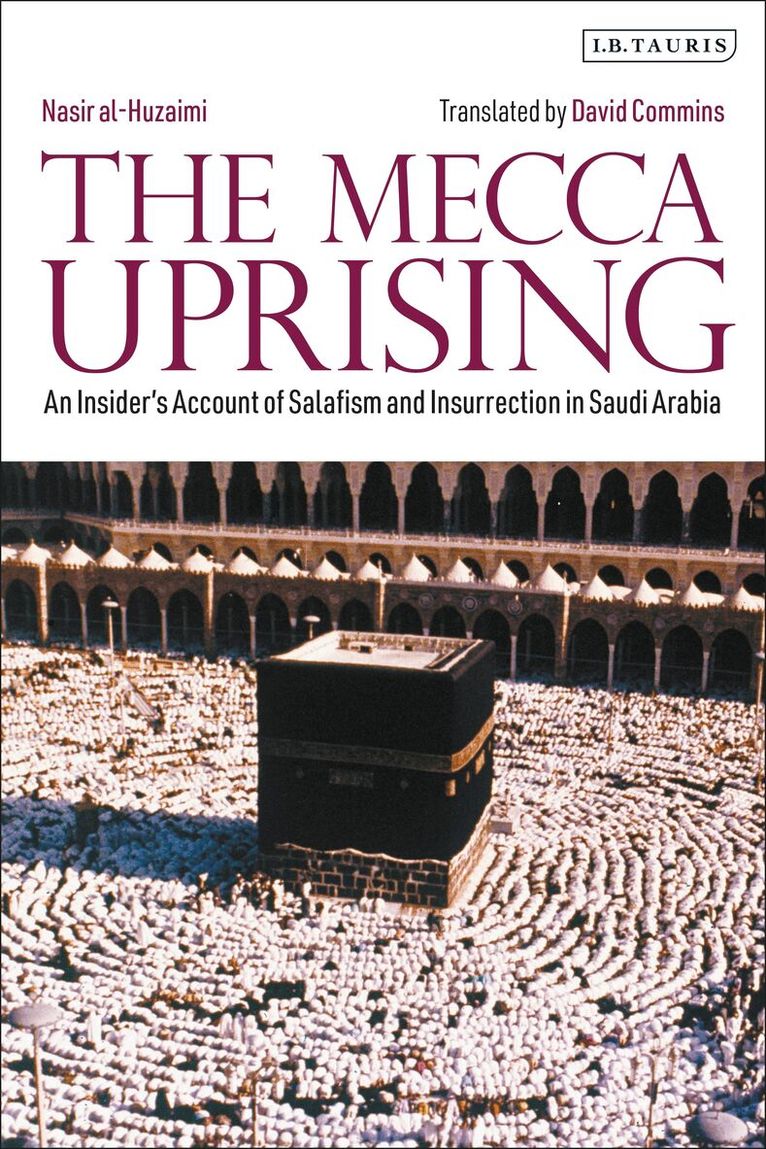
    • Medarbetare:Malise Ruthven
    • ISBN:9780801456916
    • Utmärkelser:Foreign Affairs 2015 Best Book of the Year (Middle

    Utforska kategorier

    • Islam inom Filosofi och religion
    • Sociala grupper och identitet inom Samhälle och politik

    Mer om författaren

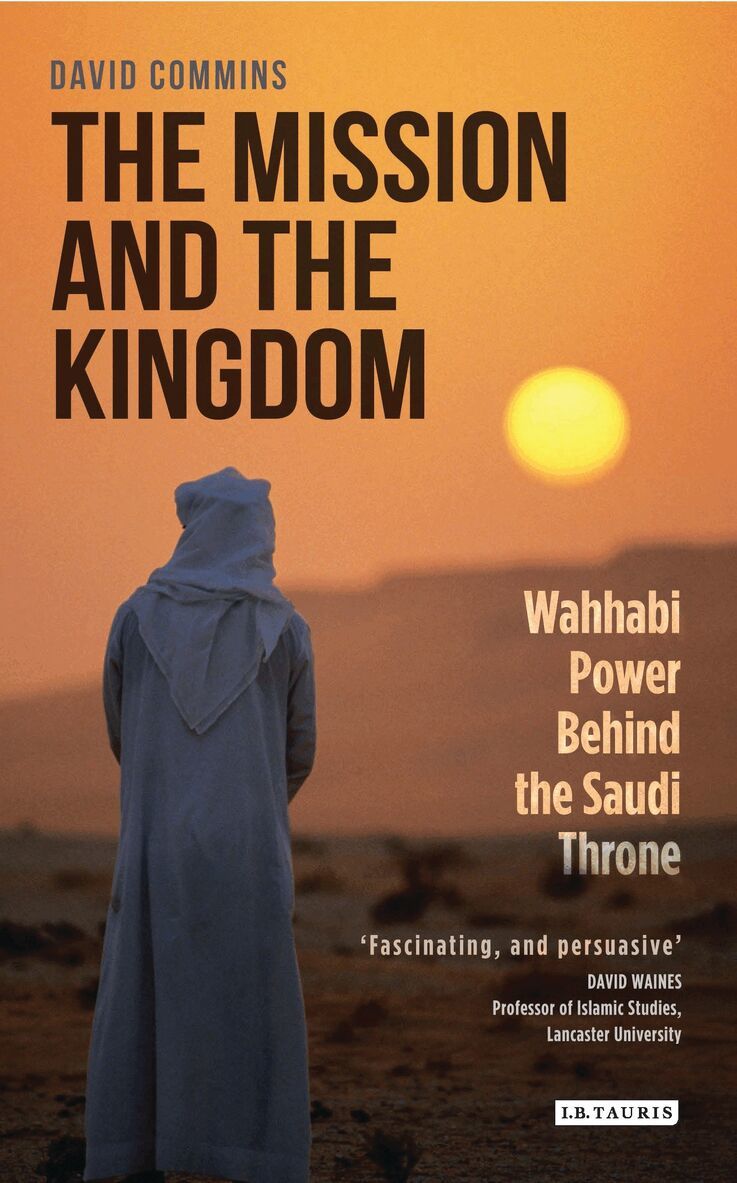
    David Commins is Professor of History at Dickinson College. He is the author of The Wahhabi Mission and Saudi Arabia, The Gulf States: A Modern History, and Islamic Reform: Politics and Social Change in Late Ottoman Syria. Malise Ruthven is the author of many books, including Fundamentalism: The Search for Meaning and Islam in the World.

    Recensioner i media

    [Commins] has produced a succinct and insightful survey of puritanical Wahhabi Islam in Saudi Arabia. He covers history, doctrinal issues, the symbiosis of the ruling family with the Wahhabi clergy, and everyday Islamic practice in the realms of education, moral standards, law, charity, and gender.(Foreign Affairs) This book makes a valuable contribution to understanding the interplay among culture (religion), politics, and society in Saudi Arabia. Commins (history, Dickinson College) accounts for the rise of modern Wahhabi religious doctrine and its interplay with other religious and political currents in the Arabian Peninsula.(Choice) There is a need for a book like Islam in Saudi Arabia. Unlike a good deal of recent academic and journalistic writing on Saudi Arabia that tends to treat the country in a kind of exceptionalist framework or as a so-called enigma, David Commins underscores that—just like any other country—there are transparent and standard means of analyzing aspects of Saudi society.(Canadian Journal of History)

    Innehållsförteckning

    • Foreword by Malise Ruthven1. Introduction2. The Establishment of the Wahhabi Tradition3. Wahhabism and the Modern Saudi State4. Religion and Daily Life5. Islam in Contemporary Saudi Society6. Religious Politics7. The International Reach of Wahhabism8. ConclusionNotesSuggestions for Further ReadingIndex