• Fri frakt över 249 kr
  • •
  • Snabba leveranser
  • •
  • Billiga böcker
Kundservice

Du är på sajten för privatpersoner.

Företag, bibliotek eller offentlig verksamhet?

Du handlar på classic.bokus.com, där alla dina funktioner finns intakta.
Till classic.bokus.com
Bokus logotyp. Gå till startsidan.
  • Erbjudanden
  • Nyheter
  • Student
  • Topplistor
  • Barn & ungdom
  • Bokus Play
  • E-böcker
  • Pocketböcker
  • Spel & pussel

10% rabatt på allt med kod: NYSTART10 →

Sidfot

Mina sidor

    Hjälp

    • Kundservice
    • Vanliga frågor och svar
    • Frakt och leverans
    • Retur vid ångerrätt
    • Reklamera vara
    • Betalning
    • Köpvillkor
    • Allmänna villkor
    • Information om webbplatsens tillgänglighet

    Om Bokus

    • Om oss
    • Pressrum
    • För studenter
    • För företag
    • För bibliotek och offentlig verksamhet
    • För leverantörer
    • Hållbarhet

    Populärt

    • Aktuella erbjudanden
    • Presentkort
    • Studentlitteratur
    • Nya böcker
    • Topplistor
    • Signerade böcker
    • Engelska böcker

    Inspiration

    • Boktips
    • BookTok
    • Populära bokserier
    • Barnbokskaraktärer
    • Populära författare
    Logotyp för Bokus
    Följ oss på Facebook (extern länk)Följ oss på Instagram (extern länk)Följ oss på YouTube (extern länk)Följ oss på TikTok (extern länk)
    bokus @ CookiesAnpassa cookiesIntegritetspolicyKöpvillkor
    Till Citymail hemsida (extern länk)Till Budbee hemsida (extern länk)Till Postnord hemsida (extern länk)Till Schenker hemsida (extern länk)Till Early Bird hemsida (extern länk)Till Walleys hemsida (extern länk)
    1. Naturvetenskap och teknik
    2. Matematik och naturvetenskap
    3. Biologi
    4. Biovetenskap

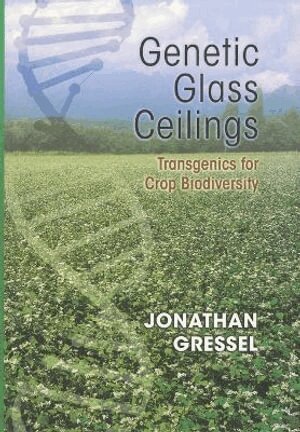
    Genetic Glass Ceilings

    Transgenics for Crop Biodiversity

    AvJonathan Gressel

    Inbunden, Engelska, 2008

    801 kr

    Beställningsvara. Skickas inom 5-8 vardagar. Fri frakt över 249 kr.

    Beskrivning

    As the world's population rises to an expected ten billion in the next few generations, the challenges of feeding humanity and maintaining an ecological balance will dramatically increase. Today we rely on just four crops for 80 percent of all consumed calories: wheat, rice, corn, and soybeans. Indeed, reliance on these four crops may also mean we are one global plant disease outbreak away from major famine. In this revolutionary and controversial book, Jonathan Gressel argues that alternative plant crops lack the genetic diversity necessary for wider domestication and that even the Big Four have reached a "genetic glass ceiling": no matter how much they are bred, there is simply not enough genetic diversity available to significantly improve their agricultural value. Gressel points the way through the glass ceiling by advocating transgenics-a technique where genes from one species are transferred to another. He maintains that with simple safeguards the technique is a safe solution to the genetic glass ceiling conundrum.Analyzing alternative crops-including palm oil, papaya, buckwheat, tef, and sorghum-Gressel demonstrates how gene manipulation could enhance their potential for widespread domestication and reduce our dependency on the Big Four. He also describes a number of ecological benefits that could be derived with the aid of transgenics. A compelling synthesis of ideas from agronomy, medicine, breeding, physiology, population genetics, molecular biology, and biotechnology, Genetic Glass Ceilings presents transgenics as an inevitable and desperately necessary approach to securing and diversifying the world's food supply.

    Produktinformation

    • Utgivningsdatum:2008-05-09
    • Mått:152 x 229 x 38 mm
    • Vikt:794 g
    • Format:Inbunden
    • Språk:Engelska
    • Antal sidor:488
    • Förlag:Johns Hopkins University Press
    • ISBN:9780801887192

    Utforska kategorier

    • Biovetenskap inom Naturvetenskap och teknik
    • Agronomi och lantbruk inom Naturvetenskap och teknik

    Mer om författaren

    Jonathan Gressel is professor emeritus of plant sciences at Weizmann Institute of Science in Israel.

    Recensioner i media

    I urge you to read Jonny Gressel's book, Genetic Glass Ceilings. I have read the first nine chapters, to the point where he begins his discussion of specific case studies (papaya, tef buckwheat, and others). I have learned so much from Jonny's book. Jonny asks challenging questions and then discusses realistic, clear-eyed solutions to the questions -- all about the genetic glass ceilings faced by plant breeders. AgBioChatter 2008 Offers refreshing hope of successfully feeding the world's population... Recommended. Upper-division undergraduates through professionals. Choice 2008 Everyone who wants to learn and understand more about plant breeding and agricultural biotechnology should read Jonathan Gressel's book. Its wealth of erudition and wisdom makes it worthy of recognition as a modern classic. -- Drew L. Kershen Journal of Commercial Biotechnology 2008 A compelling synthesis of ideas. CAB Abstracts Database 2008 This book would serve as a good basis for a serious course in agronomy departments around the world. -- Lawrence Davis Plant Science Bulletin 2009 The book is indeed an eye-opener... Well worth the effort. -- V. Moses Journal of Agricultural Science 2009 Professor Jonathan Gressel has written a thought-provoking book that contains something for everyone with an interest in the application of modern genetics to crop-based agriculture. I hope it will be read by both enthusiasts and skeptics about the application of genetic engineering to crop genetic improvement. -- Ian Crute Food Security 2009 This book provides an erudite documentation of the limited biodiversity in agricultural systems and the concomitant poor quality of the human diet. -- Elena R. Alvarez-Buylla Quarterly Review of Biology A valuable reference for all interested in the role of TGVs [transgenetic crops] in the future of food and agriculture. -- David A. Cleveland Economic Botany 2009

    Innehållsförteckning

    • Foreword by Klaus Ammann: The Needs for Plant Biodiversity: The General CasePreface1. Why Crop Biodiversity?2. Domestication: Reaching a Glass Ceiling3. Transgenic Tools for Regaining Biodiversity: Breaching the Ceiling4. Biosafety Considerations with Further Domesticated Crops5. Introduction to Case Studies: Where the Ceiling Needs to be Breached6. Evil Weevils or Us: Who Gets to Eat the Grain?7. Kwashiorkor, Diseases, and Cancer: Needed: Food without Mycotoxins8. Emergency Engineering of Standing Forage Crops to Contain Pandemics—Transient Redomestication9. Meat and Fuel from Straw10. Papaya: Saved by Transgenics11. Palm Olive Oils: Healthier Palm Oil12. Rice: A Major Crop Undergoing Continual Transgenic Further Domestication13. Tef: The Crop for Dry Extremes14. Buckwheat: The Crop for Poor Cold Extremes15. Should Sorghum Be a Crop for the Birds and the Witches?16. Oilseed Rape: Unfinished Domestication17. Reinventing Safflower18. Swollen Necks from Fonio Millet and Pearl Millet19. Grass Pea: Take This Poison20. Limits to Domestication: Dioscorea deltoidea21. Tomato: Bring Back Flavr Savr: Conceptually22. Orchids: Sustaining Beauty23. Olives: and Other Allergenic, Messy Landscaping SpeciesEpilogueReferencesIndex