• Fri frakt över 249 kr
  • •
  • Snabba leveranser
  • •
  • Billiga böcker
Kundservice

Du är på sajten för privatpersoner.

Företag, bibliotek eller offentlig verksamhet?

Du handlar på classic.bokus.com, där alla dina funktioner finns intakta.
Till classic.bokus.com
Bokus logotyp. Gå till startsidan.
  • Erbjudanden
  • Student
  • Topplistor
  • Barn & ungdom
  • Bokus Play
  • E-böcker
  • Ljudböcker
  • Pocketböcker
  • Spel & pussel

Upp till 25% på utvalda nyheter →

Sidfot

Mina sidor

    Hjälp

    • Kundservice
    • Vanliga frågor och svar
    • Frakt och leverans
    • Retur vid ångerrätt
    • Reklamera vara
    • Betalning
    • Köpvillkor
    • Allmänna villkor
    • Information om webbplatsens tillgänglighet

    Om Bokus

    • Om oss
    • Pressrum
    • För studenter
    • För företag
    • För bibliotek och offentlig verksamhet
    • För leverantörer
    • Hållbarhet

    Populärt

    • Aktuella erbjudanden
    • Presentkort
    • Studentlitteratur
    • Nya böcker
    • Topplistor
    • Signerade böcker
    • Engelska böcker

    Inspiration

    • Boktips
    • BookTok
    • Populära bokserier
    • Barnbokskaraktärer
    • Populära författare
    Logotyp för Bokus
    Följ oss på Facebook (extern länk)Följ oss på Instagram (extern länk)Följ oss på YouTube (extern länk)Följ oss på TikTok (extern länk)
    bokus @ CookiesAnpassa cookiesIntegritetspolicyKöpvillkor
    Till Citymail hemsida (extern länk)Till Budbee hemsida (extern länk)Till Postnord hemsida (extern länk)Till Schenker hemsida (extern länk)Till Early Bird hemsida (extern länk)Till Walleys hemsida (extern länk)
    1. Naturvetenskap och teknik
    2. Teknik och industri
    3. Övrig teknik och tillämpad vetenskap

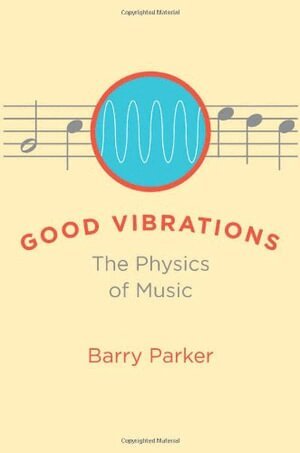
    Good Vibrations

    The Physics of Music

    AvBarry Parker

    Inbunden, Engelska, 2010

    322 kr

    Tillfälligt slut

    Beskrivning

    Why does a harpsichord sound different from a piano? For that matter, why does middle C on a piano differ from middle C on a tuning fork, a trombone, or a flute? Good Vibrations explains in clear, friendly language the out-of-sight physics responsible not only for these differences but also for the whole range of noises we call music. The physical properties and history of sound are fascinating to study. Barry Parker's tour of the physics of music details the science of how instruments, the acoustics of rooms, electronics, and humans create and alter the varied sounds we hear. Using physics as a base, Parker discusses the history of music, how sounds are made and perceived, and the various effects of acting on sounds. In the process, he demonstrates what acoustics can teach us about quantum theory and explains the relationship between harmonics and the theory of waves. Peppered throughout with anecdotes and examples illustrating key concepts, this invitingly written book provides a firm grounding in the actual and theoretical physics of music.

    Produktinformation

    • Utgivningsdatum:2010-02-09
    • Mått:152 x 229 x 24 mm
    • Vikt:544 g
    • Format:Inbunden
    • Språk:Engelska
    • Antal sidor:288
    • Förlag:Johns Hopkins University Press
    • ISBN:9780801892646

    Utforska kategorier

    • Övrig teknik och tillämpad vetenskap inom Naturvetenskap och teknik
    • Tillämpad matematik inom Naturvetenskap och teknik
    • Musikhistoria inom Kultur

    Mer om författaren

    Barry Parker is a professor emeritus of physics at Idaho State University and the author of The Isaac Newton School of Driving and Death Rays, Jet Packs, Stunts, and Supercars, both published by Johns Hopkins.

    Recensioner i media

    Good Vibrations deals, in a nontechnical manner, with the very interesting subject of the physics of music. Choice 2010 Good Vibrations provides many interesting facts and connections between physics and music for the general reader. -- David Dolak Physics Today 2010 It is seriously easy to understand... It is clear that Parker loves having been born into a world that includes music. Reading this book is like listening to a teacher who worships his subject matter. -- Joseph Arellano Sacramento Bee 2010

    Innehållsförteckning

    • AcknowledgmentsIntroductionI. Sound and Sound Waves1. Making Music: How Sound Is Made2. The Sound of Music: Perception3. Good Vibes: Waves in MotionII. The Building Blocks of Music4. Making Music Beautiful: Complex Musical Tones5. The Well-Tempered Scale6. Down Melody Lane with Chords and Chord Sequences7. "You've Gotta Have Rhythm": Rhythm and Types of MusicIII. Musical Instruments8. Why a Piano Is Not a Harpsichord9. The Stringed Instruments: Making Music with the Violin and the Guitar10. The Brass Instruments: Trumpet and Trombone11. The Woodwinds: Clarinet and Saxophone12. The Most Versatile Instrument: The Singing VoiceIV. New Technologies and Acoustics13. New Technologies and Acoustics14. Making a MIDI Recording15. The Acoustics of Concert Halls and StudiosEpilogueSuggested ReadingsIndex