• Fri frakt över 249 kr
  • •
  • Snabba leveranser
  • •
  • Billiga böcker
Kundservice

Du är på sajten för privatpersoner.

Företag, bibliotek eller offentlig verksamhet?

Du handlar på classic.bokus.com, där alla dina funktioner finns intakta.
Till classic.bokus.com
Bokus logotyp. Gå till startsidan.
  • Erbjudanden
  • Student
  • Topplistor
  • Barn & ungdom
  • Bokus Play
  • E-böcker
  • Ljudböcker
  • Pocketböcker
  • Spel och pussel

Pocketfynda! Hundratals böcker för 49 kr/st →

Sidfot

Mina sidor

    Hjälp

    • Kundservice
    • Vanliga frågor och svar
    • Frakt och leverans
    • Retur vid ångerrätt
    • Reklamera vara
    • Betalning
    • Köpvillkor
    • Allmänna villkor
    • Information om webbplatsens tillgänglighet

    Om Bokus

    • Om oss
    • Pressrum
    • För studenter
    • För företag
    • För bibliotek och offentlig verksamhet
    • För leverantörer
    • Hållbarhet

    Populärt

    • Aktuella erbjudanden
    • Presentkort
    • Studentlitteratur
    • Nya böcker
    • Topplistor
    • Signerade böcker
    • Engelska böcker

    Inspiration

    • Boktips
    • BookTok
    • Barnbokskaraktärer
    • Populära författare
    Logotyp för Bokus
    Följ oss på Facebook (extern länk)Följ oss på Instagram (extern länk)Följ oss på YouTube (extern länk)Följ oss på TikTok (extern länk)
    bokus @ CookiesAnpassa cookiesIntegritetspolicyKöpvillkor
    Till Citymail hemsida (extern länk)Till Budbee hemsida (extern länk)Till Postnord hemsida (extern länk)Till Schenker hemsida (extern länk)Till Early Bird hemsida (extern länk)Till Walleys hemsida (extern länk)
    1. Medicin
    2. Andra medicinska specialiteter
    3. Neurologi och klinisk neurofysiologi
    4. Alzheimer, demens

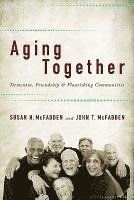
    Aging Together

    Dementia, Friendship, and Flourishing Communities

    AvSusan H. McFadden,John T. McFadden

    Inbunden, Engelska, 2011

    584 kr

    Tillfälligt slut

    Fler format och utgåvor

    Häftad

    376 kr

    Beskrivning

    Never in human history have there been so many people entering old age-roughly one-third of whom will experience some form of neurodegeneration as they age. This seismic demographic shift will force us all to rethink how we live and deal with our aging population. Susan H. McFadden and John T. McFadden propose a radical reconstruction of our societal understanding of old age. Rather than categorize elders based on their respective cognitive consciousness, the McFaddens contend that the only humanistic, supportive, and realistic approach is to find new ways to honor and recognize the dignity, worth, and personhood of those journeying into dementia. Doing so, they argue, counters the common view of dementia as a personal tragedy shared only by close family members and replaces it with the understanding that we are all living with dementia as the baby boomers age, particularly as early screening becomes more common and as a cure remains elusive. The McFaddens' inclusive vision calls for social institutions, especially faith communities, to search out and build supportive, ongoing friendships that offer hospitality to all persons, regardless of cognitive status.Drawing on medicine, social science, philosophy, and religion to provide a broad perspective on aging, Aging Together offers a vision of relationships filled with love, joy, and hope in the face of a condition that all too often elicits anxiety, hopelessness, and despair.

    Produktinformation

    • Utgivningsdatum:2011-07-27
    • Mått:152 x 229 x 23 mm
    • Vikt:499 g
    • Format:Inbunden
    • Språk:Engelska
    • Antal sidor:256
    • Förlag:Johns Hopkins University Press
    • ISBN:9780801899867

    Utforska kategorier

    • Alzheimer, demens inom Medicin
    • Geriatrik inom Medicin
    • Sociala grupper och identitet inom Samhälle och politik

    Mer om författaren

    Susan H. McFadden is a professor of psychology at the University of Wisconsin, Oshkosh. She writes extensively on aging, religion, and spirituality. John T. McFadden is a chaplain with Goodwill Industries of North Central Wisconsin.

    Recensioner i media

    A serious, scholarly, and sensitive book. -- Mary Gergen PsycCRITIQUES This must-read volume will inspire the reader to contemplate the call to care for others with self-giving love. Highly recommended. Choice This is not a how-to handbook but a kindly and perhaps over-optimistic general discussion that will be of interest to caregivers, particularly Americans, and particularly those coming from a religious background. The rest of us can all gain something from it too, however... Aging Together reminds us that warmth and friendship can be maintained in trying situations. -- Martin Guha International Psychogeriatrics Readable and useful...Anyone who wants to teach, practise or encourage person-centred care for people with dementia will find a lot in this book. -- Ibadete Fetahu Nursing Times This is not just a book about ageing, dementia, and friendship; it is a book that will take the reader on a journey that will, hopefully, leave them in a better place than where they started... An excellent account of travelling along the dementia road. -- Kathryn Mitchell Ageing and Society A compelling call to arms for a more caring, related society-a flourishing community-from which all can benefit, and in which all have a part to play. -- Justine McGovern LMSW Journal of Gerontological Social Work Aging Together offers a prophetic perspective by challenging our socially constructed versions of reality and our tendency to look for medical miracles and cures. Instead we should work to create communities that are hospitable to the cognitively impaired. -- Anthony B. Robinson Christian Century

    Innehållsförteckning

    • PrefaceAcknowledgmentsIntroduction1. Dilemmas of Dementia Diagnoses2. Receiving the Diagnosis3. Personhood4. What Is Friendship?5. When Our Friends Travel the Dementia Road6. Dementia Fear and Anxiety7. Beyond Fear and Anxiety8. The Flourishing Community9. Congregations as Schools for Friendship10. The Things That Abide11. Practicing Friendship in the "Thin Places"12. Memory, Forgetting, and the Present TimeDiscussion QuestionsNotesReferencesIndex