• Fri frakt över 249 kr
  • •
  • Snabba leveranser
  • •
  • Billiga böcker
Kundservice

Du är på sajten för privatpersoner.

Företag, bibliotek eller offentlig verksamhet?

Du handlar på classic.bokus.com, där alla dina funktioner finns intakta.
Till classic.bokus.com
Bokus logotyp. Gå till startsidan.
  • Erbjudanden
  • Nyheter
  • Student
  • Topplistor
  • Barn & ungdom
  • Bokus Play
  • E-böcker
  • Pocketböcker
  • Spel & pussel

Må bättre, för mindre! Upp till 50% rabatt på hälsoböcker

Sidfot

Mina sidor

    Hjälp

    • Kundservice
    • Vanliga frågor och svar
    • Frakt och leverans
    • Retur vid ångerrätt
    • Reklamera vara
    • Betalning
    • Köpvillkor
    • Allmänna villkor
    • Information om webbplatsens tillgänglighet

    Om Bokus

    • Om oss
    • Pressrum
    • För studenter
    • För företag
    • För bibliotek och offentlig verksamhet
    • För leverantörer
    • Hållbarhet

    Populärt

    • Aktuella erbjudanden
    • Presentkort
    • Studentlitteratur
    • Nya böcker
    • Topplistor
    • Signerade böcker
    • Engelska böcker

    Inspiration

    • Boktips
    • BookTok
    • Populära bokserier
    • Barnbokskaraktärer
    • Populära författare
    Logotyp för Bokus
    Följ oss på Facebook (extern länk)Följ oss på Instagram (extern länk)Följ oss på YouTube (extern länk)Följ oss på TikTok (extern länk)
    bokus @ CookiesAnpassa cookiesIntegritetspolicyKöpvillkor
    Till Citymail hemsida (extern länk)Till Budbee hemsida (extern länk)Till Postnord hemsida (extern länk)Till Schenker hemsida (extern länk)Till Early Bird hemsida (extern länk)Till Walleys hemsida (extern länk)
    1. Samhälle och politik
    2. Samhälle och kultur
    3. Sociala grupper och identitet
    4. Genusvetenskap

    Linoleum, Better Babies, and the Modern Farm Woman, 1890-1930

    AvMarilyn Irvin Holt

    Häftad, Engelska, 2006

    279 kr

    Beställningsvara. Skickas inom 10-15 vardagar. Fri frakt över 249 kr.

    Beskrivning

    The Progressive Era, falling between the conspicuous materialism of the Gay Nineties and the excesses of the Roaring Twenties, promoted a vision of America united by an emphasis on science and progressive reform. The zeal to modernize business, government, and social relations extended to farm families and the ways women defined their roles. In this study of the expert advice offered by the domestic-economy movement, Marilyn Irvin Holt argues that women were not passive receptors of these views. Seeing their place in agriculture as multifaceted and important, they eagerly accepted improved education and many modern appliances but often rejected suggestions that conflicted with their own views of the rewards and values of farm life. Drawing on a wide range of sources-government surveys, expert testimony, and contemporary farm journals-many presenting accounts in farm women’s own words, Holt carefully contrasts the goals of reformers with those of farm families. Anyone seeking a better understanding of the role of women in agriculture will find this a rewarding book.

    Produktinformation

    • Utgivningsdatum:2006-01-01
    • Mått:135 x 203 x 13 mm
    • Vikt:295 g
    • Format:Häftad
    • Språk:Engelska
    • Antal sidor:252
    • Förlag:University of Nebraska Press
    • ISBN:9780803224360

    Utforska kategorier

    • Genusvetenskap inom Samhälle och politik
    • Sociologi inom Samhälle och politik
    • Amerikas historia inom Historia och arkeologi

    Mer om författaren

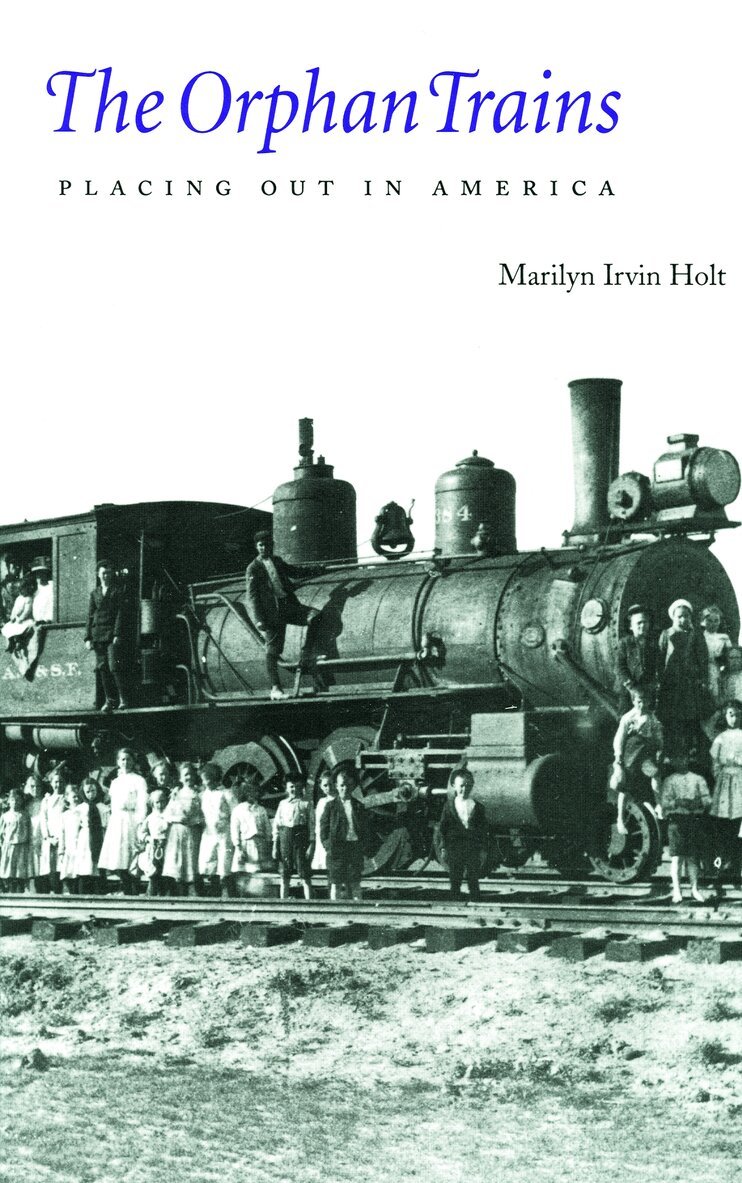
    Marilyn Irvin Holt is the author of The Orphan Trains: Placing Out in America, available in a Bison Books edition.

    Recensioner i media

    "Holt offers an interesting look at the lives of farm wives at the close of the 19th and beginning of the 20th century. It wasn't roughing it like earlier pioneer women, but it wasn't as cushy as microwave ovens and instant foods either. These ladies worked! Holt also gets points for covering minority women."—Library Journal Classic Returns "[Holt] deserves particular credit for her attention to non-Anglo participants, who have often been neglected in similar studies. She also merits praise for the inclusion of many photographs, several of which illustrate the endeavors of non-white women."—Journal of American History "Holt's study provides a readable history of developments in a significant part of rural women's lives—the domestic-economy movement—as well as treating topics that allow better understanding of rural life in general."—Historian "A well-documented and very readable account of the lives of farm women during this period. . . . Linoleum, Better Babies, and the Modern Farm Woman, 1890-1930, offers more than just a description of the numerous programs and resources that the 'domestic economy movement' promoted. More important, it is an account of the rural women who sorted through those reforms and adopted those new technologies and techniques that they identified as beneficial for themselves and their families."—Ann Billesbach, Nebraska History