• Fri frakt över 249 kr
  • •
  • Snabba leveranser
  • •
  • Billiga böcker
Kundservice

Du är på sajten för privatpersoner.

Företag, bibliotek eller offentlig verksamhet?

Du handlar på classic.bokus.com, där alla dina funktioner finns intakta.
Till classic.bokus.com
Bokus logotyp. Gå till startsidan.
  • Erbjudanden
  • Nyheter
  • Student
  • Topplistor
  • Barn & ungdom
  • Bokus Play
  • E-böcker
  • Pocketböcker
  • Spel & pussel

10% rabatt på allt med kod: NYSTART10 →

Sidfot

Mina sidor

    Hjälp

    • Kundservice
    • Vanliga frågor och svar
    • Frakt och leverans
    • Retur vid ångerrätt
    • Reklamera vara
    • Betalning
    • Köpvillkor
    • Allmänna villkor
    • Information om webbplatsens tillgänglighet

    Om Bokus

    • Om oss
    • Pressrum
    • För studenter
    • För företag
    • För bibliotek och offentlig verksamhet
    • För leverantörer
    • Hållbarhet

    Populärt

    • Aktuella erbjudanden
    • Presentkort
    • Studentlitteratur
    • Nya böcker
    • Topplistor
    • Signerade böcker
    • Engelska böcker

    Inspiration

    • Boktips
    • BookTok
    • Populära bokserier
    • Barnbokskaraktärer
    • Populära författare
    Logotyp för Bokus
    Följ oss på Facebook (extern länk)Följ oss på Instagram (extern länk)Följ oss på YouTube (extern länk)Följ oss på TikTok (extern länk)
    bokus @ CookiesAnpassa cookiesIntegritetspolicyKöpvillkor
    Till Citymail hemsida (extern länk)Till Budbee hemsida (extern länk)Till Postnord hemsida (extern länk)Till Schenker hemsida (extern länk)Till Early Bird hemsida (extern länk)Till Walleys hemsida (extern länk)
    1. Kultur
    2. Scenkonst och film
    3. Film

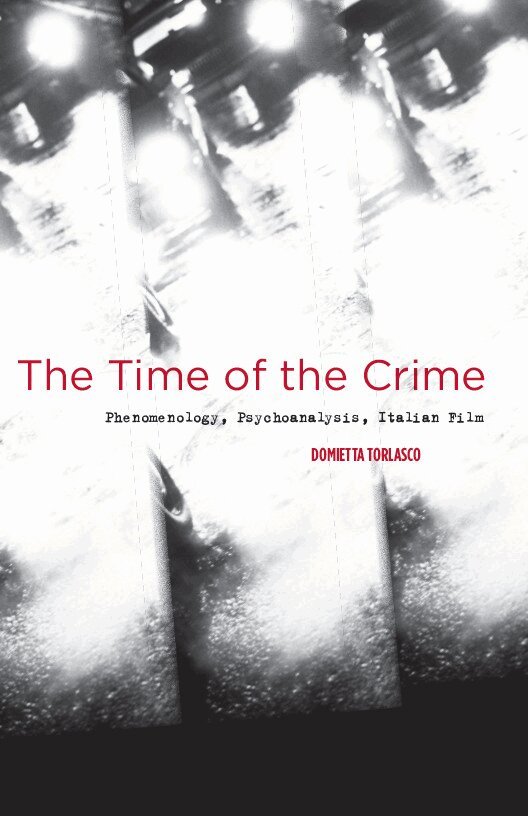
    Time of the Crime

    Phenomenology, Psychoanalysis, Italian Film

    AvDomietta Torlasco

    E-bok
    PDF, Engelska, 2008

    864 kr

    Läs direkt i Bokus Reader – eller ladda ned till din enhet (PDF kräver ofta zoom och scroll på små skärmar).

    Fler format och utgåvor

    Inbunden

    785 kr

    Beskrivning

    The Time of the Crime interrogates the relationship between time and vision as it emerges in five Italian films from the sixties and seventies: Antonioni's Blow-Up and The Passenger, Bertolucci's The Spider's Stratagem, Cavani's The Night Porter, and Pasolini's Oedipus Rex. The center around which these films revolve is the image of the crime scene—the spatial and temporal configuration in which a crime is committed, witnessed, and investigated. By pushing the detective story to its extreme limits, they articulate forms of time that defy any clear-cut distinction between past, present, and future—presenting an uncertain temporality that can be made visible but not calculated, and challenging notions of visual mastery and social control. If the detective story proper begins with a death that has already taken place, the death that seems to count the most in these films is the one that is yet to occur—the investigator's own death. In a time of relentless anticipation, what appears in front of the investigator's eyes is not the past as it was, but the past as it will have been in relation to the time of his or her search.

    Produktinformation

    • Utgivningsdatum:2008-04-16
    • Språk:Engelska
    • Antal sidor:144
    • Filformat:PDF
    • Kopieringsskydd:LCP
    • ISBN:9780804786775
    • Förlag:Stanford University Press

    Utforska kategorier

    • Film inom Kultur
    • Freudiansk psykologi inom Psykologi och pedagogik

    Mer om författaren

    Domietta Torlasco is Assistant Professor in the Department of French and Italian at Northwestern University.

    Recensioner i media

    "The Time of the Crime: Phenomenology, Psychoanalysis, Italian Film is a critical tour de force: extraordinarily sharply observed, daring and rewarding in its methodological approach, and beautifully written. Torlasco has a gift for elucidating the visual and temporal emergence in film of the most abstract philosophical categories, which makes her book appealing on a pedagogical level as well." —Alessia Ricciardi, University of California, Berkeley "In her impeccably executed Time of the Crime, Torlasco relates vision to temporality in ways that lead to a splendid conjunction of both phenomenological and psychoanalytic perspectives. Her conclusions have far-reaching philosophical importance. They are generated by a fine attention to film genres and their techniques, so visual evidence makes the philosophical points—a tour de force."—Judith Butler, University of California, Berkeley "...Torlasco reveals an impressive knowledge of film and theory and succeeds admirably in elucidation both the films and the philosophical and psychoanalytical points to which they lead." —CHOICE