• Fri frakt över 249 kr
  • •
  • Snabba leveranser
  • •
  • Billiga böcker
Kundservice

Du är på sajten för privatpersoner.

Företag, bibliotek eller offentlig verksamhet?

Du handlar på classic.bokus.com, där alla dina funktioner finns intakta.
Till classic.bokus.com
Bokus logotyp. Gå till startsidan.
  • Erbjudanden
  • Nyheter
  • Student
  • Topplistor
  • Barn & ungdom
  • Bokus Play
  • E-böcker
  • Pocketböcker
  • Spel & pussel

10% studentrabatt med kod TERM26

Sidfot

Mina sidor

    Hjälp

    • Kundservice
    • Vanliga frågor och svar
    • Frakt och leverans
    • Retur vid ångerrätt
    • Reklamera vara
    • Betalning
    • Köpvillkor
    • Allmänna villkor
    • Information om webbplatsens tillgänglighet

    Om Bokus

    • Om oss
    • Pressrum
    • För studenter
    • För företag
    • För bibliotek och offentlig verksamhet
    • För leverantörer
    • Hållbarhet

    Populärt

    • Aktuella erbjudanden
    • Presentkort
    • Studentlitteratur
    • Nya böcker
    • Topplistor
    • Signerade böcker
    • Engelska böcker

    Inspiration

    • Boktips
    • BookTok
    • Populära bokserier
    • Barnbokskaraktärer
    • Populära författare
    Logotyp för Bokus
    Följ oss på Facebook (extern länk)Följ oss på Instagram (extern länk)Följ oss på YouTube (extern länk)Följ oss på TikTok (extern länk)
    bokus @ CookiesAnpassa cookiesIntegritetspolicyKöpvillkor
    Till Citymail hemsida (extern länk)Till Budbee hemsida (extern länk)Till Postnord hemsida (extern länk)Till Schenker hemsida (extern länk)Till Early Bird hemsida (extern länk)Till Walleys hemsida (extern länk)
    1. Historia och arkeologi
    2. Historia
    3. Historia: särskilda händelser och ämnen
    4. Socialhistoria och kulturhistoria

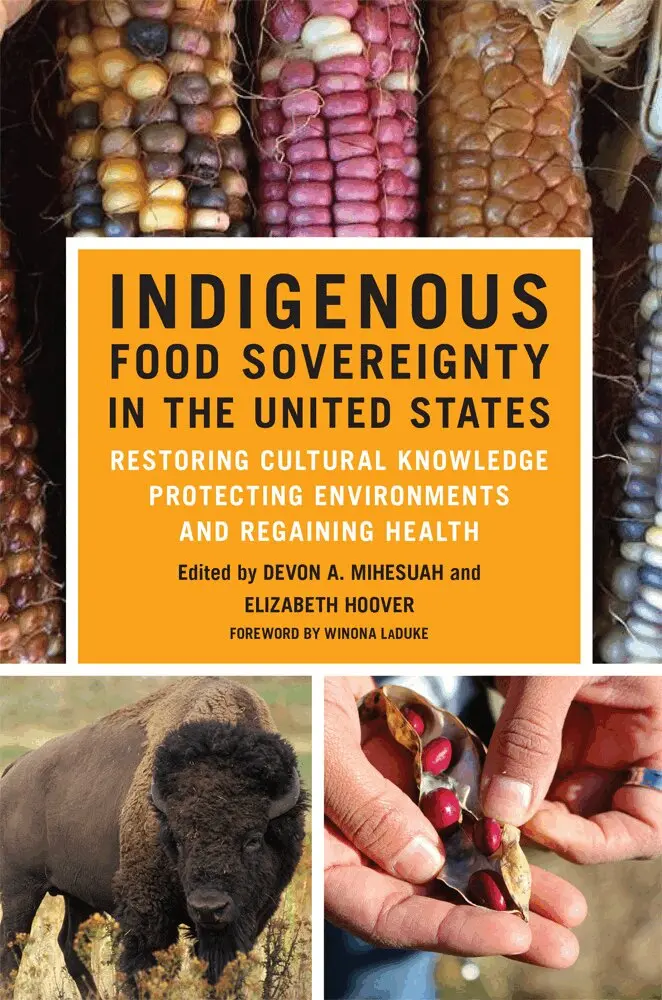
    Indigenous Food Sovereignty in the United States

    Restoring Cultural Knowledge, Protecting Environments, and Regaining Health

    AvDevon A. Mihesuah,Elizabeth Hoover

    Häftad, Engelska, 2019

    Del i serien New Directions in Native American Studies Series

    336 kr

    Beställningsvara. Skickas inom 10-15 vardagar. Fri frakt över 249 kr.

    Beskrivning

    Centuries of colonization and other factors have disrupted indigenous communities' ability to control their own food systems. This volume explores the meaning and importance of food sovereignty for Native peoples in the United States, and asks whether and how it might be achieved and sustained.Unprecedented in its focus and scope, this collection addresses nearly every aspect of indigenous food sovereignty, from revitalizing ancestral gardens and traditional ways of hunting, gathering, and seed saving to the difficult realities of racism, treaty abrogation, tribal sociopolitical factionalism, and the entrenched beliefs that processed foods are superior to traditional tribal fare. The contributors include scholar-activists in the fields of ethnobotany, history, anthropology, nutrition, insect ecology, biology, marine environmentalism, and federal Indian law, as well as indigenous seed savers and keepers, cooks, farmers, spearfishers, and community activists. After identifying the challenges involved in revitalizing and maintaining traditional food systems, these writers offer advice and encouragement to those concerned about tribal health, environmental destruction, loss of species habitat, and governmental food control.

    Produktinformation

    • Utgivningsdatum:2019-08-08
    • Mått:152 x 229 x 23 mm
    • Vikt:526 g
    • Format:Häftad
    • Språk:Engelska
    • Serie:New Directions in Native American Studies Series
    • Antal sidor:390
    • Förlag:University of Oklahoma Press
    • Medarbetare:Winona LaDuke
    • ISBN:9780806163215

    Utforska kategorier

    • Socialhistoria och kulturhistoria inom Historia och arkeologi
    • Lantbruksteknik inom Naturvetenskap och teknik
    • Amerikas historia inom Historia och arkeologi

    Mer om författaren

    Devon A. Mihesuah, a member of the Choctaw Nation, is Cora Lee Beers Price Professor in International Cultural Understanding at the University of Kansas. She has served as Editor of the American Indian Quarterly and is the author of numerous award-winning books, including Choctaw Crime and Punishment, 1884-1887; American Indigenous Women: Decolonization, Empowerment, Activism; Recovering Our Ancestors' Gardens: Indigenous Recipes and Guide to Diet and Fitness; American Indians: Stereotypes and Realities; and Cultivating the Rosebuds: The Education of Women at the Cherokee Female Seminary, 1851-1909.Elizabeth Hoover, Manning Associate Professor of American Studies at Brown University, is the author of articles about food sovereignty, environmental health, and environmental reproductive justice, as well as the book The River Is in Us: Fighting Toxics in a Mohawk Community. She is a board member of the Native American Food Sovereignty Alliance and of the Slow Food Turtle Island regional association and has worked with the Mohawk organization Kanenhi:io Ionkwaienthon:hakie.Winona LaDuke, an Anishinaabe writer and economist from the White Earth reservation in Minnesota, is Executive Director of Honor the Earth, a national Native advocacy and environmental organization, and the author of numerous articles and books.

    Recensioner i media

    Return and recovery is very much at the heart of this volume. Indigenous food sovereignty argues for rooted and collective continuance. More than about development and conservation - or resilience even - it is about sacredness and intimacy, health and sovereignty, food and identity; and it comes from a place deep within."" - Virginia D. Nazarea, author of Heirloom Seeds and Their Keepers: Marginality and Memory in the Conservation of Biological Diversity ""The collective wisdom of Turtle Island's indigenous peoples offered in Indigenous Food Sovereignty charts a course for decolonization and liberation - and a vision for a better food system and a just society."" - Eric Holt-Giménez, author of A Foodie's Guide to Capitalism ""This thoughtfully curated collection of essays gives food scholars a vital window on the gorgeous and fierce resilience of indigenous food systems and the activists who work to preserve them against steep odds. It will shape the way we think about indigenous food systems for years to come."" - Amy Trauger,  author of We Want to Live: Making Political Space for Food Sovereignty ""Indigenous Food Sovereignty in the United States is a detailed text that effectively conveys hope for the future of Indigenous communities while criticizing colonial practices emphasizing that there are serious repercussions for abandoning tradition, and there is beneficial power in reclaiming Indigenous  authority over food and environmental practices."" - Transmotion