• Fri frakt över 249 kr
  • •
  • Snabba leveranser
  • •
  • Billiga böcker
Kundservice

Du är på sajten för privatpersoner.

Företag, bibliotek eller offentlig verksamhet?

Du handlar på classic.bokus.com, där alla dina funktioner finns intakta.
Till classic.bokus.com
Bokus logotyp. Gå till startsidan.
  • Erbjudanden
  • Nyheter
  • Student
  • Topplistor
  • Barn & ungdom
  • Bokus Play
  • E-böcker
  • Pocketböcker
  • Spel & pussel

10% rabatt på allt med kod: NYSTART10 →

Sidfot

Mina sidor

    Hjälp

    • Kundservice
    • Vanliga frågor och svar
    • Frakt och leverans
    • Retur vid ångerrätt
    • Reklamera vara
    • Betalning
    • Köpvillkor
    • Allmänna villkor
    • Information om webbplatsens tillgänglighet

    Om Bokus

    • Om oss
    • Pressrum
    • För studenter
    • För företag
    • För bibliotek och offentlig verksamhet
    • För leverantörer
    • Hållbarhet

    Populärt

    • Aktuella erbjudanden
    • Presentkort
    • Studentlitteratur
    • Nya böcker
    • Topplistor
    • Signerade böcker
    • Engelska böcker

    Inspiration

    • Boktips
    • BookTok
    • Populära bokserier
    • Barnbokskaraktärer
    • Populära författare
    Logotyp för Bokus
    Följ oss på Facebook (extern länk)Följ oss på Instagram (extern länk)Följ oss på YouTube (extern länk)Följ oss på TikTok (extern länk)
    bokus @ CookiesAnpassa cookiesIntegritetspolicyKöpvillkor
    Till Citymail hemsida (extern länk)Till Budbee hemsida (extern länk)Till Postnord hemsida (extern länk)Till Schenker hemsida (extern länk)Till Early Bird hemsida (extern länk)Till Walleys hemsida (extern länk)
    1. Historia och arkeologi
    2. Historia
    3. Amerikas historia

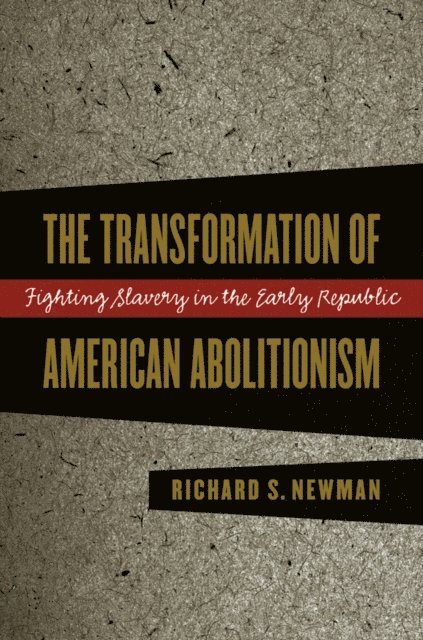
    Transformation of American Abolitionism

    Fighting Slavery in the Early Republic

    AvRichard S. Newman

    Häftad, Engelska, 2002

    479 kr

    Beställningsvara. Skickas inom 10-15 vardagar. Fri frakt över 249 kr.

    Fler format och utgåvor

    E-bok

    518 kr

    E-bok

    518 kr

    Beskrivning

    How abolitionism evolved from an elite and conservative movement to a radical, grassroots reform cause; Most accounts date the birth of American abolitionism to 1831, when William Lloyd Garrison began publishing his radical antislavery newspaper, The Liberator. In fact, however, the abolition movement had been born with the American Republic. In the decades following the Revolution, abolitionists worked steadily to eliminate slavery and racial injustice, and their tactics and strategies constantly evolved. Tracing the development of the abolitionist movement from the 1770s to the 1830s, Richard Newman focuses particularly on its transformation from a conservative lobbying effort into a fiery grassroots reform cause. What began in late-eighteenth-century Pennsylvania as an elite movement espousing gradual legal reform began to change in the 1820s as black activists, female reformers, and nonelite whites pushed their way into the antislavery movement. Centered in Massachusetts, these new reformers demanded immediate emancipation, and they revolutionized abolitionist strategies and tactics - lecturing extensively, publishing gripping accounts of life in bondage, and organizing on a grassroots level. Their attitudes and actions made the abolition movement the radical cause we think of it as today.

    Produktinformation

    • Utgivningsdatum:2002-04-30
    • Mått:159 x 236 x 16 mm
    • Vikt:452 g
    • Format:Häftad
    • Språk:Engelska
    • Antal sidor:272
    • Förlag:The University of North Carolina Press
    • ISBN:9780807849989

    Utforska kategorier

    • Amerikas historia inom Historia och arkeologi
    • Politisk aktivism inom Samhälle och politik
    • Slaveri inom Historia och arkeologi

    Mer om författaren

    Richard S. Newman is assistant professor of history at Rochester Institute of Technology. He is coeditor of Pamphlets of Protest: An Anthology of Early African American Protest Literature, 1790-1860 and an educational consultant to Strong Museum in Rochester, New York.

    Recensioner i media

    "A most important and persuasive discussion of the early years of American abolitionism." - Waldo E. Martin Jr., University of California, Berkeley