• Fri frakt över 249 kr
  • •
  • Snabba leveranser
  • •
  • Billiga böcker
Kundservice

Du är på sajten för privatpersoner.

Företag, bibliotek eller offentlig verksamhet?

Du handlar på classic.bokus.com, där alla dina funktioner finns intakta.
Till classic.bokus.com
Bokus logotyp. Gå till startsidan.
  • Erbjudanden
  • Nyheter
  • Student
  • Topplistor
  • Barn & ungdom
  • Bokus Play
  • E-böcker
  • Pocketböcker
  • Spel & pussel

10% rabatt på allt med kod NYSTART10 →

Sidfot

Mina sidor

    Hjälp

    • Kundservice
    • Vanliga frågor och svar
    • Frakt och leverans
    • Retur vid ångerrätt
    • Reklamera vara
    • Betalning
    • Köpvillkor
    • Allmänna villkor
    • Information om webbplatsens tillgänglighet

    Om Bokus

    • Om oss
    • Pressrum
    • För studenter
    • För företag
    • För bibliotek och offentlig verksamhet
    • För leverantörer
    • Hållbarhet

    Populärt

    • Aktuella erbjudanden
    • Presentkort
    • Studentlitteratur
    • Nya böcker
    • Topplistor
    • Signerade böcker
    • Engelska böcker

    Inspiration

    • Boktips
    • BookTok
    • Populära bokserier
    • Barnbokskaraktärer
    • Populära författare
    Logotyp för Bokus
    Följ oss på Facebook (extern länk)Följ oss på Instagram (extern länk)Följ oss på YouTube (extern länk)Följ oss på TikTok (extern länk)
    bokus @ CookiesAnpassa cookiesIntegritetspolicyKöpvillkor
    Till Citymail hemsida (extern länk)Till Budbee hemsida (extern länk)Till Postnord hemsida (extern länk)Till Schenker hemsida (extern länk)Till Early Bird hemsida (extern länk)Till Walleys hemsida (extern länk)
    1. Samhälle och politik
    2. Sociologi och antropologi
    3. Sociologi

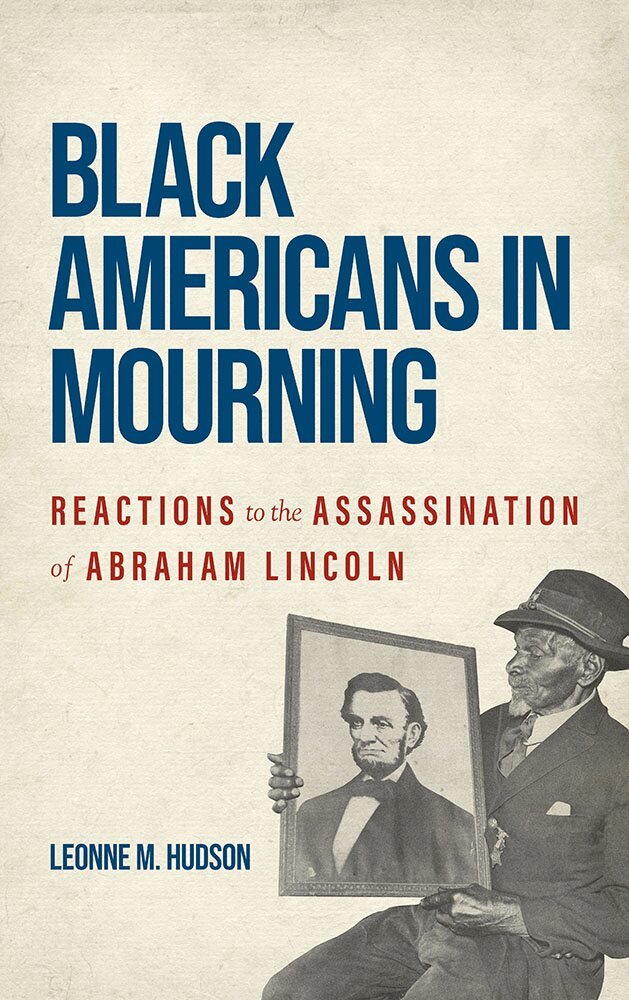
    Black Americans in Mourning

    Reactions to the Assassination of Abraham Lincoln

    AvLeonne M. Hudson

    Häftad, Engelska, 2024

    275 kr

    Beställningsvara. Skickas inom 5-8 vardagar. Fri frakt över 249 kr.

    Beskrivning

    Centering Black grief in the aftermath of Lincoln’s assassinationOn April 14, 1865, John Wilkes Booth carried out the first presidential assassination in United States history. The euphoria resulting from General Lee’s surrender evaporated at the news of Abraham Lincoln’s murder. The nation—excepting many white Southerners—found itself consumed with grief, and no group mourned Lincoln more deeply than people of color. African Americans did not speak with a monolithic voice on social or political issues, but even Lincoln’s Black contemporaries who may not have approved of him while he was alive mourned his death, understanding its implications for their future.Beginning with the assassination itself and chronicling Lincoln’s three-week-long national funeral, historian Leonne M. Hudson captures the profound sadness of Black Americans as they mourned the crafter of the Emancipation Proclamation and the man they thought of as their earthly Moses, father, friend, and benefactor. Hudson continues the narrative by detailing the postwar efforts of African Americans to gain citizenship and voting rights.Black Americans in Mourning includes the tributes of prominent figures such as Frederick Douglass, Martin R. Delany, and Elizabeth Keckley, who raised their voices to honor Lincoln, as well as formal expressions of grief by institutions and organizations such as the United States Colored Troops. In a triumph of research, Hudson also features the voices of lesser-known Black people who mourned Lincoln across the country, showing that the outpouring of individual and collective grief helped set the stage for his enduring glorification.

    Produktinformation

    • Utgivningsdatum:2024-10-01
    • Mått:152 x 229 x 13 mm
    • Vikt:54 g
    • Format:Häftad
    • Språk:Engelska
    • Antal sidor:208
    • Förlag:Southern Illinois University Press
    • ISBN:9780809339549

    Utforska kategorier

    • Sociologi inom Samhälle och politik
    • Amerikas historia inom Historia och arkeologi

    Mer om författaren

    Leonne M. Hudson, associate professor emeritus at Kent State University, is the author of The Odyssey of a Southerner: The Life and Times of Gustavus Woodson Smith, the editor of Company “A” Corps of Engineers, U.S.A., 1846-1848, in the Mexican War, and the coeditor of Democracy and the American Civil War: Race and African Americans in the Nineteenth Century.

    Recensioner i media

    “Leonne M. Hudson has accomplished a tour de force of research and analysis in the account of the response of Black Americans to Lincoln’s assassination. He describes how many viewed the slain martyr as a Moses who led them from bondage to the promised land of freedom but was struck down at the end of the journey, and others likened him to Christ who was crucified on Good Friday 1865 to save them from the sin of slavery. A fine addition to Lincoln scholarship.”—James M. McPherson, author of the Pulitzer Prize–winning Battle Cry of Freedom: The Civil War Era“Despite prior opinions and attitudes, African Americans unified in their collective grief for the assassinated Abraham Lincoln. Meticulously researched, this volume offers a compelling survey of how African Americans mourned Lincoln and harnessed his memory to advance a complex view of Lincoln’s significance to the race and nation.”—Hilary N. Green, author of Educational Reconstruction: African American Schools in the Urban South, 1865–1890 and coauthor of The Civil War and the Summer of 2020“Hudson has scoured the personal letters, diaries, and journals of both well-known and obscure African Americans to document their universal grief after Lincoln’s assassination. He shows there was also desperate concern for what the future would bring. Hudson brings much-needed research and insight to Lincoln literature.”—David J. Kent, author of Lincoln: The Fire of Genius: How Abraham Lincoln’s Commitment to Science and Technology Helped Modernize America

    Innehållsförteckning

    • ContentsList of IllustrationsPrefaceAcknowledgmentsIntroduction1. Pandemonium on the Potomac River2. Slow Ride to Springfield3. The Emancipator and the Emancipated4. Their Earthly Moses5. Father, Friend, and Benefactor6. Lincoln as a Symbol7. Campaigning for Full Citizenship Rights8. Johnson and Black Americans’ Winter of DiscontentConclusionBibliographyIndex