• Fri frakt över 249 kr
  • •
  • Snabba leveranser
  • •
  • Billiga böcker
Kundservice

Du är på sajten för privatpersoner.

Företag, bibliotek eller offentlig verksamhet?

Du handlar på classic.bokus.com, där alla dina funktioner finns intakta.
Till classic.bokus.com
Bokus logotyp. Gå till startsidan.
  • Erbjudanden
  • Nyheter
  • Student
  • Topplistor
  • Barn & ungdom
  • Bokus Play
  • E-böcker
  • Pocketböcker
  • Spel & pussel

10% rabatt på allt med kod: NYSTART10 →

Sidfot

Mina sidor

    Hjälp

    • Kundservice
    • Vanliga frågor och svar
    • Frakt och leverans
    • Retur vid ångerrätt
    • Reklamera vara
    • Betalning
    • Köpvillkor
    • Allmänna villkor
    • Information om webbplatsens tillgänglighet

    Om Bokus

    • Om oss
    • Pressrum
    • För studenter
    • För företag
    • För bibliotek och offentlig verksamhet
    • För leverantörer
    • Hållbarhet

    Populärt

    • Aktuella erbjudanden
    • Presentkort
    • Studentlitteratur
    • Nya böcker
    • Topplistor
    • Signerade böcker
    • Engelska böcker

    Inspiration

    • Boktips
    • BookTok
    • Populära bokserier
    • Barnbokskaraktärer
    • Populära författare
    Logotyp för Bokus
    Följ oss på Facebook (extern länk)Följ oss på Instagram (extern länk)Följ oss på YouTube (extern länk)Följ oss på TikTok (extern länk)
    bokus @ CookiesAnpassa cookiesIntegritetspolicyKöpvillkor
    Till Citymail hemsida (extern länk)Till Budbee hemsida (extern länk)Till Postnord hemsida (extern länk)Till Schenker hemsida (extern länk)Till Early Bird hemsida (extern länk)Till Walleys hemsida (extern länk)
    1. Kultur
    2. Scenkonst och film
    3. Film

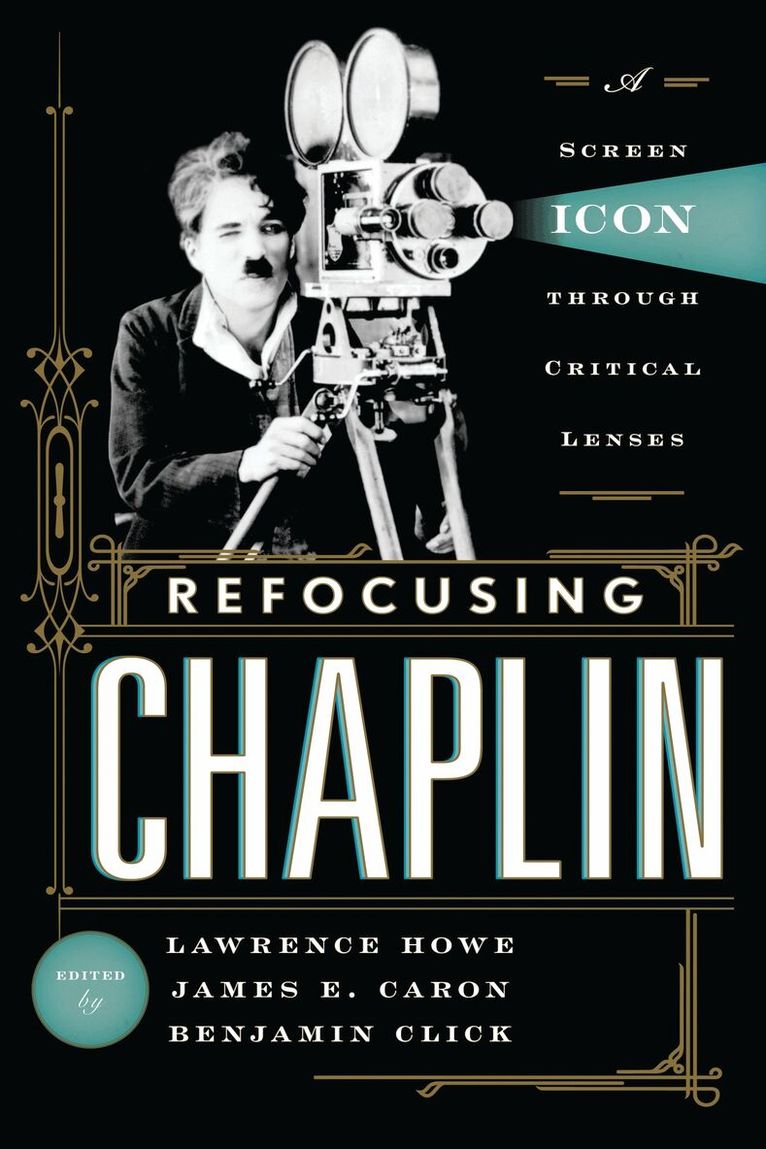
    Refocusing Chaplin

    A Screen Icon through Critical Lenses

    AvLawrence Howe,James E. Caron

    Inbunden, Engelska, 2013

    1 259 kr

    Beställningsvara. Skickas inom 10-15 vardagar. Fri frakt över 249 kr.

    Beskrivning

    Widely recognized in his character of the Tramp, Charlie Chaplin transcended the role of actor to become screenwriter, director, composer, producer, and finally studio head. The subject of numerous biographical studies, Chaplin has been examined as both myth and man, but these treatments fail to adequately address the often-overlooked complexity of his filmmaking.Refocusing Chaplin: A Screen Icon through Critical Lenses features essays that examine the actor and director through various theoretical perspectives—including Marxism, feminism, gender studies, deconstruction, psychoanalytic criticism, new historicism, performance studies, and cultural criticism. Complementing this range of intellectual inquiry is the wide reach of films discussed, from The Circus (1928), The Gold Rush (1925), and City Lights (1931) to Modern Times (1936), The Great Dictator (1940), Monsieur Verdoux (1947), and Limelight (1952). Shorter films, such as “The Pawnshop” (1916), “The Rink” (1916), and “A Dog’s Life” (1918) are also examined. These essays analyze the tensions between the carefully constructed worlds of Chaplin’s films and their cultural contexts. The varied approaches and range of materials in this volume not only comprehensively assess the screen icon but also foster a conversation that exemplifies the best of intellectual exchange. Refocusing Chaplin provides a unique view into the work of one of cinema’s most important and influential artists.

    Produktinformation

    • Utgivningsdatum:2013-10-03
    • Mått:162 x 239 x 22 mm
    • Vikt:499 g
    • Format:Inbunden
    • Språk:Engelska
    • Antal sidor:250
    • Förlag:Scarecrow Press
    • ISBN:9780810892255

    Utforska kategorier

    • Film inom Kultur

    Mer om författaren

    Lawrence Howe is professor of English and Film Studies at Roosevelt University. He is the author of Mark Twain and the Novel: The Double-Cross of Authority (2009).James E. Caron is professor of English at the University of Hawai‘i at Manoa. He is the coeditor of Sut Lovingood's Nat'ral Born Yarnspinner: Essays on George Washington Harris (1996) and author of Mark Twain, Unsanctified Newspaper Reporter (2008).Benjamin Click is Chair of the English Department at St. Mary’s College of Maryland and Director of the Twain Lecture Series on American Humor Culture.

    Recensioner i media

    One effective method of teaching theory is to focus on a popular text and provide competing interpretations. Howe, Caron, and Click gather a cluster of such perspectives as they converge on the polysemic, iconic auteur filmmaker Charlie Chaplin. Offering a wide range of theoretical perspectives–Marxism, feminism, psychoanalysis–contributors exhume and dissect the body of Chaplin and his work, studying his screen persona and public celebrity. The approach serves both to highlight neglected aspects of the complex artist and to illumine theory. Charles Maland's introductory essay inaugurates this conversation by exploring the enduring appeal of both Chaplin and his cinematic persona Charlie. In his phenomenological study of Charlie's kinesic slapstick, Caron shows the clown as clumsy fool, 'eironic trickster,' and comic acrobat. Several essays offer particularly fascinating perspectives, especially Cynthia Miller's 'A Heart of Gold: Charlie and the Dance Hall Girls' and Click's rhetorical analysis of The Great Dictator. The critical collisions and cross-fertilizations among the contributors foster a lively, worthwhile intellectual exchange. Summing Up: Recommended. Upper-division undergraduates through faculty.

    Innehållsförteckning

    • Preface: Why Refocus Chaplin? Lawrence Howe, James E. Caron, and Benjamin ClickAcknowledgementsIntroduction: The Persisting Appeal of Chaplin and CharlieCharles MalandChapter 1: Chaplin’s “Charlie” as Merleau-Ponty’s Phenomenological Everyman or, How Bodily Intelligence Manifests the Personae, Styles, and Fable of SlapstickJames E. CaronChapter 2: Chaplin and the Static Image: A Barthesian Analysis of the Visual in My Trip Abroad and “A Comedian Sees the World”Lisa Stein HavenChapter 3: A Heart of Gold: Charlie and the Dance Hall GirlsCynthia J. MillerChapter 4: American Masculinity and The Gendered Humor of Chaplin’s Little TrampLawrence HoweChapter 5: In the Shadow of Machines: Modern Times and the Iconography of TechnologyA. Bowdoin Van RiperChapter 6: Deconstruction and the Tramp: Marxism, Capitalism, and the TraceRandall GannChapter 7: Chaplin’s Presence Rachel JosephChapter 8: The Paradox of the “Dictactor”: Mimesis, Logic of Paradox, and the Reinstatement of Catharsis in The Great Dictator, Monsieur Verdoux, and LimelightMarco GrosoliChapter 9: Charles Chaplin Sings a Silent Requiem: Chaplin’s Films from 1928-1952 as Cinematic Statement on the Transition from Silent Cinema to the TalkiesAner PremingerChapter 10: Chaplin’s Sound Statement on Silence: The Great Dictator as Rhetorical EncomiumBenjamin ClickBibliographyIndexAbout the ContributorsAbout the Editors