• Fri frakt över 249 kr
  • •
  • Snabba leveranser
  • •
  • Billiga böcker
Kundservice

Du är på sajten för privatpersoner.

Företag, bibliotek eller offentlig verksamhet?

Du handlar på classic.bokus.com, där alla dina funktioner finns intakta.
Till classic.bokus.com
Bokus logotyp. Gå till startsidan.
  • Erbjudanden
  • Nyheter
  • Student
  • Topplistor
  • Barn & ungdom
  • Bokus Play
  • E-böcker
  • Pocketböcker
  • Spel & pussel

10% rabatt på allt med kod: NYSTART10 →

Sidfot

Mina sidor

    Hjälp

    • Kundservice
    • Vanliga frågor och svar
    • Frakt och leverans
    • Retur vid ångerrätt
    • Reklamera vara
    • Betalning
    • Köpvillkor
    • Allmänna villkor
    • Information om webbplatsens tillgänglighet

    Om Bokus

    • Om oss
    • Pressrum
    • För studenter
    • För företag
    • För bibliotek och offentlig verksamhet
    • För leverantörer
    • Hållbarhet

    Populärt

    • Aktuella erbjudanden
    • Presentkort
    • Studentlitteratur
    • Nya böcker
    • Topplistor
    • Signerade böcker
    • Engelska böcker

    Inspiration

    • Boktips
    • BookTok
    • Populära bokserier
    • Barnbokskaraktärer
    • Populära författare
    Logotyp för Bokus
    Följ oss på Facebook (extern länk)Följ oss på Instagram (extern länk)Följ oss på YouTube (extern länk)Följ oss på TikTok (extern länk)
    bokus @ CookiesAnpassa cookiesIntegritetspolicyKöpvillkor
    Till Citymail hemsida (extern länk)Till Budbee hemsida (extern länk)Till Postnord hemsida (extern länk)Till Schenker hemsida (extern länk)Till Early Bird hemsida (extern länk)Till Walleys hemsida (extern länk)
    1. Samhälle och politik
    2. Sociologi och antropologi
    3. Antropologi

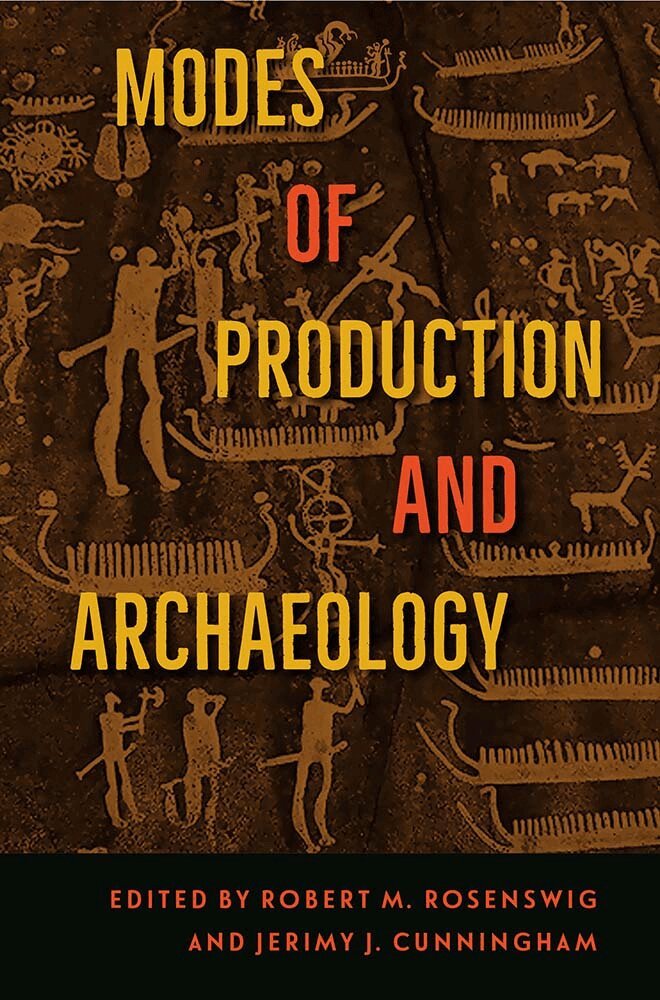
    Modes of Production and Archaeology

    AvRobert M. Rosenswig,Jerimy J Cunningham

    Inbunden, Engelska, 2017

    1 093 kr

    Beställningsvara. Skickas inom 10-15 vardagar. Fri frakt över 249 kr.

    Beskrivning

    This volume explains how archaeologists can use Karl Marx and Frederick Engels’ mode of production concept to study long-term patterns in human society. Modes of production describes how labor is organized to create surplus which is then used for political purposes. This type of analysis allows archaeologists to compare and contrast peoples across distant continents and eras, from hunter-gatherer groups to early agriculturalists to nation-states. Presenting a range of different perspectives from researchers working in a wide variety of societies and time periods, this volume clearly demonstrates why historical materialism matters to the field of archaeology.

    Produktinformation

    • Utgivningsdatum:2017-06-20
    • Mått:156 x 235 x 18 mm
    • Vikt:655 g
    • Format:Inbunden
    • Språk:Engelska
    • Antal sidor:336
    • Förlag:University Press of Florida
    • ISBN:9780813054308

    Utforska kategorier

    • Antropologi inom Samhälle och politik
    • Arkeologi: metod och teknik inom Historia och arkeologi

    Mer om författaren

    Robert M. Rosenswig, associate professor of anthropology at the University at Albany-SUNY, is author of The Beginnings of Mesoamerican Civilization: Inter-Regional Interaction and the Olmec and coeditor of Early New World Monumentality. Jerimy J. Cunningham is associate professor of anthropology at the University of Lethbridge.

    Recensioner i media

    For more than a century, scholars have critiqued, misinterpreted, and bickered about Marx’s concept of mode of production. Modes of Production and Archaeology cuts through the dense and thorny intellectual thicket that grew up from these debates. The book presents an easily understood discussion of Marx’s concepts and demonstrates how archaeologists can analyze modes of production to explain long term patterns in cultural change.”—Randall McGuire, author of Archaeology as Political Action  “Shows clearly how historical materialist ideas and concepts are productive in developing the theory and practice of archaeology.”—Robert Chapman, author of Archaeologies of Complexity  “Covers a huge range of ground and brings together ideas and analyses in a way that has not really been done yet in archaeology.”—Colin Grier, Washington State University