• Fri frakt över 249 kr
  • •
  • Snabba leveranser
  • •
  • Billiga böcker
Kundservice

Du är på sajten för privatpersoner.

Företag, bibliotek eller offentlig verksamhet?

Du handlar på classic.bokus.com, där alla dina funktioner finns intakta.
Till classic.bokus.com
Bokus logotyp. Gå till startsidan.
  • Erbjudanden
  • Nyheter
  • Student
  • Topplistor
  • Barn & ungdom
  • Bokus Play
  • E-böcker
  • Pocketböcker
  • Spel & pussel

10% rabatt på allt med kod: NYSTART10 →

Sidfot

Mina sidor

    Hjälp

    • Kundservice
    • Vanliga frågor och svar
    • Frakt och leverans
    • Retur vid ångerrätt
    • Reklamera vara
    • Betalning
    • Köpvillkor
    • Allmänna villkor
    • Information om webbplatsens tillgänglighet

    Om Bokus

    • Om oss
    • Pressrum
    • För studenter
    • För företag
    • För bibliotek och offentlig verksamhet
    • För leverantörer
    • Hållbarhet

    Populärt

    • Aktuella erbjudanden
    • Presentkort
    • Studentlitteratur
    • Nya böcker
    • Topplistor
    • Signerade böcker
    • Engelska böcker

    Inspiration

    • Boktips
    • BookTok
    • Populära bokserier
    • Barnbokskaraktärer
    • Populära författare
    Logotyp för Bokus
    Följ oss på Facebook (extern länk)Följ oss på Instagram (extern länk)Följ oss på YouTube (extern länk)Följ oss på TikTok (extern länk)
    bokus @ CookiesAnpassa cookiesIntegritetspolicyKöpvillkor
    Till Citymail hemsida (extern länk)Till Budbee hemsida (extern länk)Till Postnord hemsida (extern länk)Till Schenker hemsida (extern länk)Till Early Bird hemsida (extern länk)Till Walleys hemsida (extern länk)
    1. Naturvetenskap och teknik
    2. Teknik och industri
    3. Agronomi och lantbruk

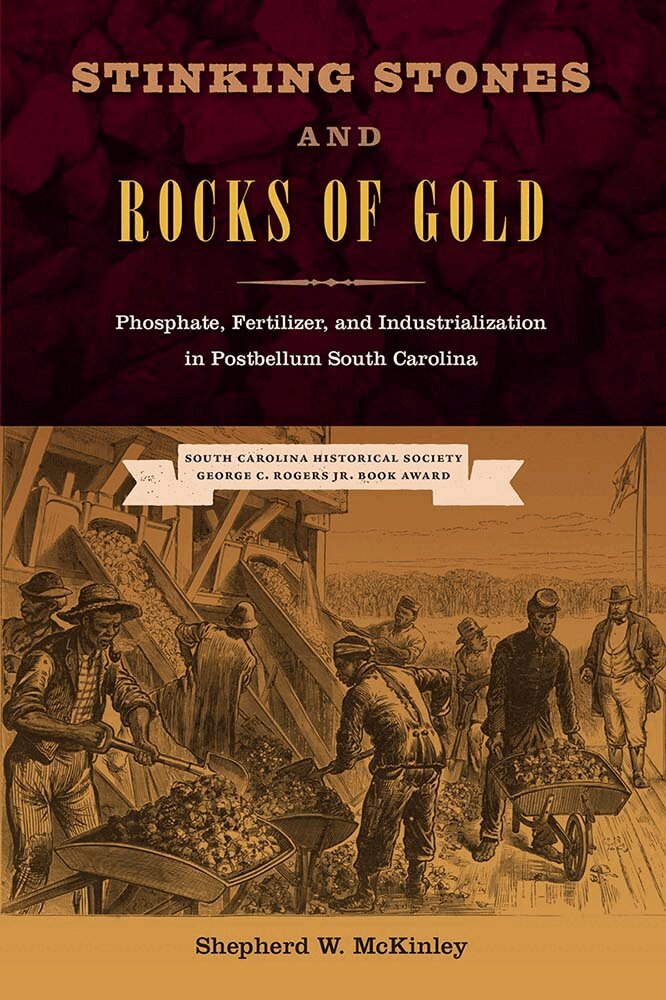
    Stinking Stones and Rocks of Gold

    Phosphate, Fertilizer, and Industrialization in Postbellum South Carolina

    AvShepherd W. McKinley

    Häftad, Engelska, 2017

    Del i serien New Perspectives on the History of the South

    250 kr

    Beställningsvara. Skickas inom 10-15 vardagar. Fri frakt över 249 kr.

    Fler format och utgåvor

    E-bok

    1 208 kr

    Inbunden

    807 kr

    E-bok

    333 kr

    Beskrivning

    In the first book ever written about the impact of phosphate mining on the South Carolina plantation economy, Shepherd McKinley explains how the convergence of the phosphate and fertilizer industries carried long-term impacts for America and the South.Fueling the rapid growth of lowcountry fertilizer companies, phosphate mining provided elite plantation owners a way to stem losses from emancipation. At the same time, mining created an autonomous alternative to sharecropping, enabling freed people to extract housing and labor concessions.Stinking Stones and Rocks of Gold develops an overarching view of what can be considered one of many key factors in the birth of southern industry. This top-down, bottom-up history (business, labor, social, and economic) analyzes an alternative path for all peoples in the post-emancipation South.

    Produktinformation

    • Utgivningsdatum:2017-11-28
    • Mått:151 x 229 x 14 mm
    • Vikt:355 g
    • Format:Häftad
    • Språk:Engelska
    • Serie:New Perspectives on the History of the South
    • Antal sidor:246
    • Förlag:University Press of Florida
    • ISBN:9780813064611

    Utforska kategorier

    • Agronomi och lantbruk inom Naturvetenskap och teknik
    • Lantbruk, fiske och skogsbruk inom Ekonomi och Ledarskap
    • Amerikas historia inom Historia och arkeologi

    Mer om författaren

    Shepherd W. McKinley, a senior lecturer in American history at the University of North Carolina at Charlotte, is the coauthor of North Carolina: New Directions for an Old Land.

    Recensioner i media

    A very well-researched, contextual case study that makes a significant contribution to the story of industrialization in the New South."" - Choice""A valued addition to the history of the low-country and the post-slavery South more generally."" - EH.net""An insightful analysis of the rise of the phosphate and fertilizer industries in the South Carolina low country."" - Business History Review