• Fri frakt över 249 kr
  • •
  • Snabba leveranser
  • •
  • Billiga böcker
Kundservice

Du är på sajten för privatpersoner.

Företag, bibliotek eller offentlig verksamhet?

Du handlar på classic.bokus.com, där alla dina funktioner finns intakta.
Till classic.bokus.com
Bokus logotyp. Gå till startsidan.
  • Erbjudanden
  • Nyheter
  • Student
  • Topplistor
  • Barn & ungdom
  • Bokus Play
  • E-böcker
  • Pocketböcker
  • Spel & pussel

10% rabatt på allt med kod: NYSTART10 →

Sidfot

Mina sidor

    Hjälp

    • Kundservice
    • Vanliga frågor och svar
    • Frakt och leverans
    • Retur vid ångerrätt
    • Reklamera vara
    • Betalning
    • Köpvillkor
    • Allmänna villkor
    • Information om webbplatsens tillgänglighet

    Om Bokus

    • Om oss
    • Pressrum
    • För studenter
    • För företag
    • För bibliotek och offentlig verksamhet
    • För leverantörer
    • Hållbarhet

    Populärt

    • Aktuella erbjudanden
    • Presentkort
    • Studentlitteratur
    • Nya böcker
    • Topplistor
    • Signerade böcker
    • Engelska böcker

    Inspiration

    • Boktips
    • BookTok
    • Populära bokserier
    • Barnbokskaraktärer
    • Populära författare
    Logotyp för Bokus
    Följ oss på Facebook (extern länk)Följ oss på Instagram (extern länk)Följ oss på YouTube (extern länk)Följ oss på TikTok (extern länk)
    bokus @ CookiesAnpassa cookiesIntegritetspolicyKöpvillkor
    Till Citymail hemsida (extern länk)Till Budbee hemsida (extern länk)Till Postnord hemsida (extern länk)Till Schenker hemsida (extern länk)Till Early Bird hemsida (extern länk)Till Walleys hemsida (extern länk)
    1. Historia och arkeologi
    2. Arkeologi

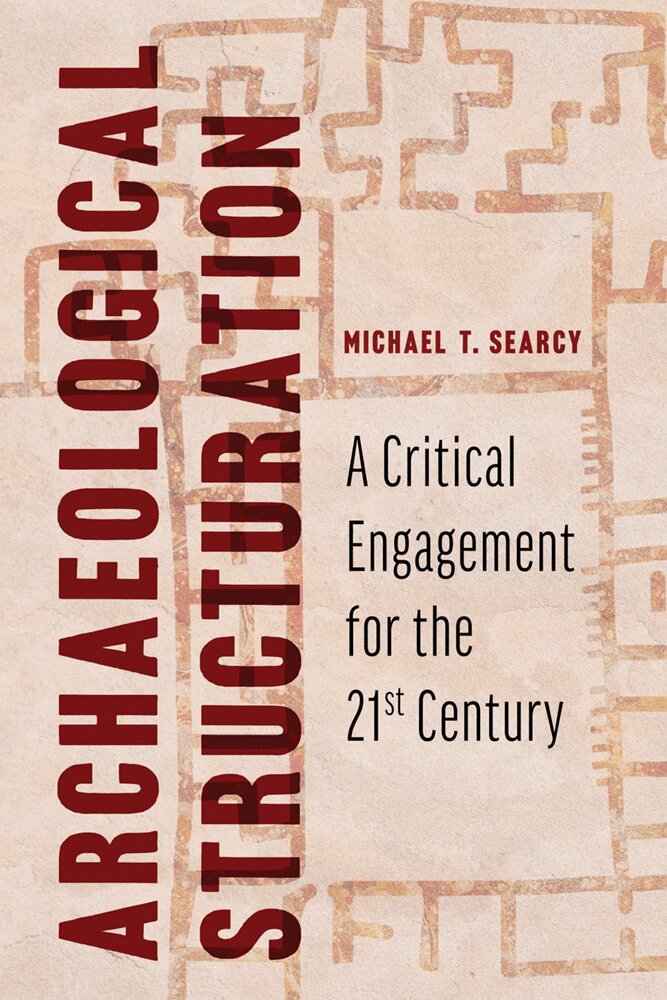
    Archaeological Structuration

    A Critical Engagement for the Twenty-First Century

    AvMichael T. Searcy

    Inbunden, Engelska, 2025

    797 kr

    Beställningsvara. Skickas inom 5-8 vardagar. Fri frakt över 249 kr.

    Beskrivning

    Archaeological Structuration is a critical analysis of the theory of structuration and its utility in the study of societal development over deep time. Structuration theory was originally developed by Anthony Giddens in sociology and adopted piecemeal into archaeology. This book takes a closer look at its contributions to new materialism and develops novel ways to operationalize the theory in archaeological research in the twenty-first century. To illustrate the usefulness of structuration theory, archaeologist Michael T. Searcy deploys it to uncover new understandings of ancient societies, particularly focusing on the Casas Grandes civilization in precolonial northern Mexico. Spanning more than seven hundred years, this society exemplifies the rise of social complexity in the Western Hemisphere. Searcy reexamines previous hypotheses about major structural shifts during the twelfth and thirteenth centuries CE, providing fresh insights and updated perspectives. This book not only revisits the foundational influence of structuration theory but also introduces new methodologies to study the longue durée, the long-term historical trajectories of ancient societies. Searcy deftly bridges the gap between theoretical frameworks and practical archaeological applications, providing a thorough analysis of how structuration can address real-world problems through the lens of ancient societal transformations.

    Produktinformation

    • Utgivningsdatum:2025-11-11
    • Mått:152 x 229 x 20 mm
    • Vikt:454 g
    • Format:Inbunden
    • Språk:Engelska
    • Antal sidor:208
    • Förlag:University of Arizona Press
    • ISBN:9780816538720

    Utforska kategorier

    • Arkeologi inom Historia och arkeologi
    • Antropologi inom Samhälle och politik
    • Sociologi inom Samhälle och politik

    Mer om författaren

    Michael T. Searcy is a professor of anthropology, chair of the anthropology department at Brigham Young University, and director of the New World Archaeological Foundation.

    Recensioner i media

    "This book provides a welcome reconsideration of the use of structuration and the work of Giddens in archaeology, showing that this concept has not yet been used to its full potential. The text provides an excellent overview of the history of this body of theory and clear and concise examples of applications in archaeology and beyond." - Matthew A. Peeples, author of Connected Communities: Networks, Identity, and Social Change in the Ancient Cibola World