Häftad, Engelska, 2013
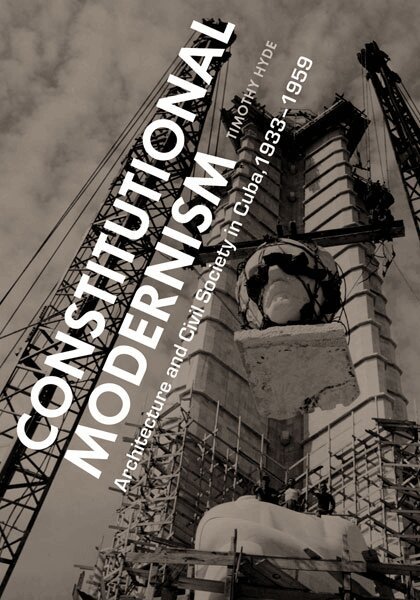
Constitutional Modernism
Architecture and Civil Society in Cuba, 1933-1959
Av Timothy Hyde
394 kr
Beställningsvara. Skickas inom 7-10 vardagar. Fri frakt över 249 kr.
Beskrivning
Produktinformation
- Utgivningsdatum: 2013-02-22
- Mått: 178 x 254 x 51 mm
- Format: Häftad
- Språk: Engelska
- Antal sidor: 352
- Förlag: University of Minnesota Press
- ISBN: 9780816678112
Utforska kategorier
Mer om författaren
Timothy Hyde is associate professor in history, theory, and criticism at the Massachusetts Institute of Technology.
Recensioner i media
"This is a major book on Cuba. It is the best history of modern Havana ever written, unlikely to be surpassed. Timothy Hyde is a thorough, scrupulous historian with a sophisticated grasp of architectural history and theory, as well as of the political and artistic history of Cuba. He chronicles in dramatic detail the vigorous debates around the question of cubanidad that led to the proclamation of the 1940 constitution, and to the formulation and execution of plans for the development of Havana: its plazas, boulevards, public buildings, and monuments. These deliberations, which included prominent intellectuals such as Fernando Ortiz and Jorge MaÑach, came to an end with the advent of Castro’s regime."-Roberto GonzÁlez EchevarrÍa, Yale University"Constitutional Modernism is both a work of great length and great scholarship. It is well written and makes an important contribution to the study of modernism in a peripheral country with a long architectural tradition."-Journal of Architectural Education"Enhanced by a careful selection and iconology of images-evident from the book’s very opening-Hyde’s erudite discourse about Cuba’s constitutional modernism, both in architecture and urbanism, stands out not only as a bibliographic contribution to the emergence of those professions in the island’s political and institutional framework, but also helps to understand such processes in other Latin American countries."-Planning Perspectives"Constitutional Modernism succeeds in reading the consequential effects of architecture in the political circumstances of the Cuban nation in the early twentieth century. It contributes to a growing body of scholarship dealing with variations on architectural modernism in ex-colonial cities and countries, such as the work of Tom Avermaete, Serhat Karakayali, and Marion von Osten on Algeria and Morocco and that of Swati Chattopadhyay on Calcutta. Moreover, it opens the door for future studies looking more deeply at the lived experiences of the Cuban citizens during that time period. Given this thorough foundation in the study of architecture as a form of civic possibility, future scholars can now flesh out the social dynamics of these spaces through studies of the intricacies of Cuban culture, ranging from Afro-Cuban religious customs to the everyday life of the working-class poor."-Journal of the Society of Architectural Historians"Timothy Hyde has compiled a tour de force in his examination of architectural and urban design practices that were socially construed when Cuban civil society and statesmen aimed to redefine the nation’s identity."-New West Indian Guide
Betyg & recensioner
0 recensioner
Inga recensioner tillgängliga.