• Fri frakt över 249 kr
  • •
  • Snabba leveranser
  • •
  • Billiga böcker
Kundservice

Du är på sajten för privatpersoner.

Företag, bibliotek eller offentlig verksamhet?

Du handlar på classic.bokus.com, där alla dina funktioner finns intakta.
Till classic.bokus.com
Bokus logotyp. Gå till startsidan.
  • Erbjudanden
  • Nyheter
  • Student
  • Topplistor
  • Barn & ungdom
  • Bokus Play
  • E-böcker
  • Pocketböcker
  • Spel & pussel

10% rabatt på allt med kod: NYSTART10 →

Sidfot

Mina sidor

    Hjälp

    • Kundservice
    • Vanliga frågor och svar
    • Frakt och leverans
    • Retur vid ångerrätt
    • Reklamera vara
    • Betalning
    • Köpvillkor
    • Allmänna villkor
    • Information om webbplatsens tillgänglighet

    Om Bokus

    • Om oss
    • Pressrum
    • För studenter
    • För företag
    • För bibliotek och offentlig verksamhet
    • För leverantörer
    • Hållbarhet

    Populärt

    • Aktuella erbjudanden
    • Presentkort
    • Studentlitteratur
    • Nya böcker
    • Topplistor
    • Signerade böcker
    • Engelska böcker

    Inspiration

    • Boktips
    • BookTok
    • Populära bokserier
    • Barnbokskaraktärer
    • Populära författare
    Logotyp för Bokus
    Följ oss på Facebook (extern länk)Följ oss på Instagram (extern länk)Följ oss på YouTube (extern länk)Följ oss på TikTok (extern länk)
    bokus @ CookiesAnpassa cookiesIntegritetspolicyKöpvillkor
    Till Citymail hemsida (extern länk)Till Budbee hemsida (extern länk)Till Postnord hemsida (extern länk)Till Schenker hemsida (extern länk)Till Early Bird hemsida (extern länk)Till Walleys hemsida (extern länk)
    1. Samhälle och politik
    2. Samhälle och kultur
    3. Kultur och medier
    4. Referensverk och tvärvetenskap

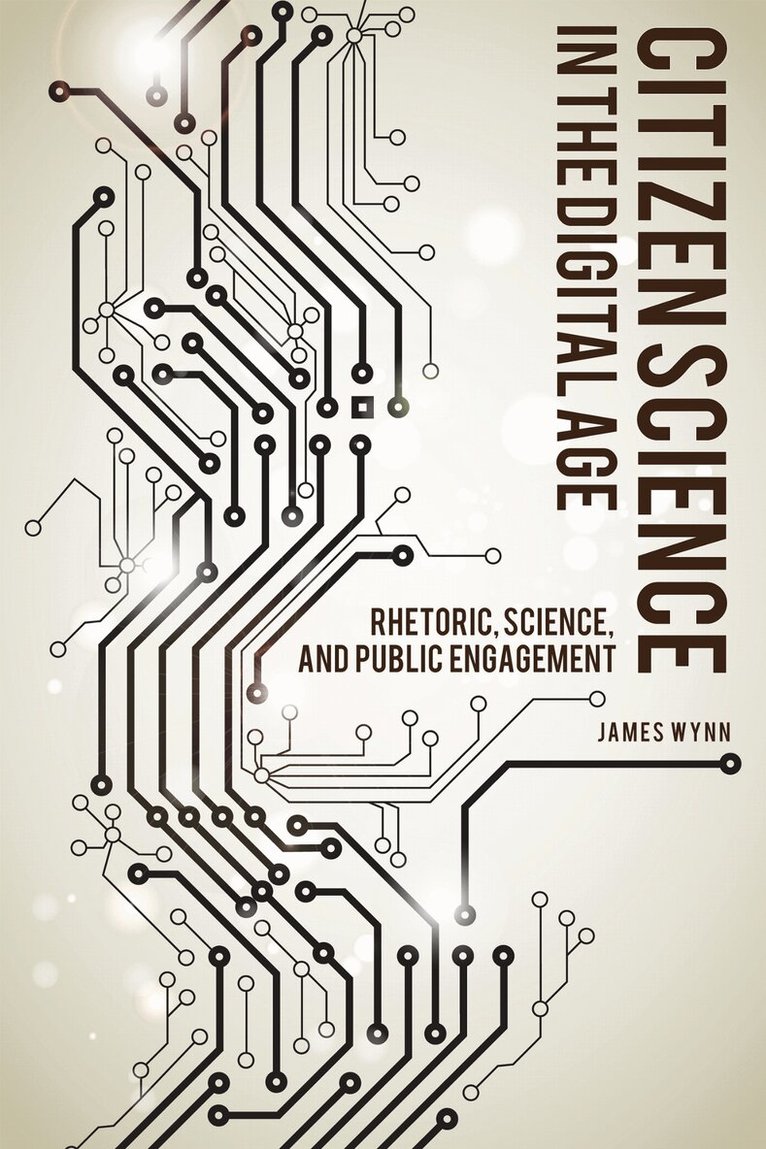
    Citizen Science in the Digital Age

    Rhetoric, Science, and Public Engagement

    AvJames Wynn

    Häftad, Engelska, 2019

    Del i serien Rhetoric, Culture, and, Social Critique

    267 kr

    Beställningsvara. Skickas inom 5-8 vardagar. Fri frakt över 249 kr.

    Fler format och utgåvor

    E-bok

    459 kr

    Beskrivning

    A discussion of the benefits and pitfalls of citizen science—scientific undertakings that make use of public participation and crowd-sourced data collection.James Wynn's timely investigation highlights scientific studies grounded in publicly gathered data and probes the rhetoric these studies employ. Many of these endeavors, such as the widely used SETI@home project, simply draw on the processing power of participants' home computers; others, like the protein-folding game FoldIt, ask users to take a more active role in solving scientific problems. In Citizen Science in the Digital Age: Rhetoric, Science, and Public Engagement, Wynn analyzes the discourse that enables these scientific ventures, as well as the difficulties that arise in communication between scientists and lay people and the potential for misuse of publicly gathered data.  Wynn puzzles out the intricacies of these exciting new research developments by focusing on various case studies. He explores the Safecast project, which originated from crowd-sourced mapping for Fukushima radiation dispersal, arguing that evolving technologies enable public volunteers to make concrete, sound, science-based arguments. Additionally, he considers the potential use of citizen science as a method of increasing the public's identification with the scientific community, and contemplates how more collaborative rhetoric might deepen these opportunities for interaction and alignment. Furthermore, he examines ways in which the lived experience of volunteers may be integrated with expert scientific knowledge, and also how this same personal involvement can be used to further policy agendas.Precious few texts explore the intersection of rhetoric, science, and the Internet. Citizen Science in the Digital Age fills this gap, offering a clear, intelligent overview of the topic intended for rhetoric and communication scholars as well as practitioners and administrators in a number of science-based disciplines. With the expanded availability of once inaccessible technologies and computing power to laypeople, the practice of citizen science will only continue to grow. This study offers insight into how—given prudent application and the clear articulation of common goals—citizen science might strengthen the relationships between scientists and laypeople.

    Produktinformation

    • Utgivningsdatum:2019-05-14
    • Mått:152 x 229 x 10668 mm
    • Vikt:345 g
    • Format:Häftad
    • Språk:Engelska
    • Serie:Rhetoric, Culture, and, Social Critique
    • Antal sidor:224
    • Förlag:The University of Alabama Press
    • ISBN:9780817359522

    Utforska kategorier

    • Referensverk och tvärvetenskap inom Samhälle och politik
    • Meteorologi och klimatologi inom Naturvetenskap och teknik
    • Retorik inom Språk och ordböcker

    Mer om författaren

    James Wynn is an associate professor of English at Carnegie Mellon University and the author of Evolution by Numbers: The Origins of Mathematical Argument in Biology.

    Recensioner i media

    Wynn examines how citizen science can impact the conceptualization of key ideas (e.g., climate change or issues related to radiation) and can influence public debates, such as the reliability of climate models.[ . . . ] The work is almost entirely non-technical and will be accessible to readers from a wide array of disciplines and interests. Recommended."" - CHOICE""Citizen Science in the Digital Age addresses issues created by the intersection of the citizen science movement and the new technologies of the Internet. It is timely, important, and right in line with the renewed interest in the relations between science and its publics."" - Carolyn R. Miller, author of Studies in Genre, Agency, and Technology""Wynn's approach to citizen science hits a sweet spot between sociological and rhetorical studies of science, and pushes the boundaries in several respects. Citizen Science in the Digital Age usefully invites connections to diverse strands of work in the area."" - John Lyne, professor of communication, resident fellow at the Center for the Philosophy of Science, and director of graduate studies for the communication department at the University of Pittsburgh

    Innehållsförteckning

    • List of IllustrationsAcknowledgmentsIntroduction1. Citizen Science at the Roots2. Reimaging Risk: Citizen Science and the Development of Citizen-Centered Radiation Risk Representations3. Information for and by the People: The Internet and the Rise of Citizen Expertise4. Warming Relations? The Benefits and Challenges of Promoting Understanding and Identification with Citizen Science5. A Tale of Two Logoi: Citizen Science and the Politics of RedevelopmentEpilogueAppendix A. Acoustical Assessment Form Used in Pepys Estate Noise MappingAppendix B. Sound Level Reference Chart Used by Pepys Estate Citizen ScientistsAppendix C. Bar Graph of Qualitative Sound Descriptors for Pepys Estate Sound MappingAppendix D. Bar Graph of Sources of Noise on Pepys EstateNotesWorks CitedIndex