• Fri frakt över 249 kr
  • •
  • Snabba leveranser
  • •
  • Billiga böcker
Kundservice

Du är på sajten för privatpersoner.

Företag, bibliotek eller offentlig verksamhet?

Du handlar på classic.bokus.com, där alla dina funktioner finns intakta.
Till classic.bokus.com
Bokus logotyp. Gå till startsidan.
  • Erbjudanden
  • Student
  • Topplistor
  • Barn & ungdom
  • Bokus Play
  • E-böcker
  • Ljudböcker
  • Pocketböcker
  • Spel & pussel

Upp till 25% på utvalda nyheter →

Sidfot

Mina sidor

    Hjälp

    • Kundservice
    • Vanliga frågor och svar
    • Frakt och leverans
    • Retur vid ångerrätt
    • Reklamera vara
    • Betalning
    • Köpvillkor
    • Allmänna villkor
    • Information om webbplatsens tillgänglighet

    Om Bokus

    • Om oss
    • Pressrum
    • För studenter
    • För företag
    • För bibliotek och offentlig verksamhet
    • För leverantörer
    • Hållbarhet

    Populärt

    • Aktuella erbjudanden
    • Presentkort
    • Studentlitteratur
    • Nya böcker
    • Topplistor
    • Signerade böcker
    • Engelska böcker

    Inspiration

    • Boktips
    • BookTok
    • Populära bokserier
    • Barnbokskaraktärer
    • Populära författare
    Logotyp för Bokus
    Följ oss på Facebook (extern länk)Följ oss på Instagram (extern länk)Följ oss på YouTube (extern länk)Följ oss på TikTok (extern länk)
    bokus @ CookiesAnpassa cookiesIntegritetspolicyKöpvillkor
    Till Citymail hemsida (extern länk)Till Budbee hemsida (extern länk)Till Postnord hemsida (extern länk)Till Schenker hemsida (extern länk)Till Early Bird hemsida (extern länk)Till Walleys hemsida (extern länk)
    1. Naturvetenskap och teknik
    2. Matematik och naturvetenskap
    3. Kemi

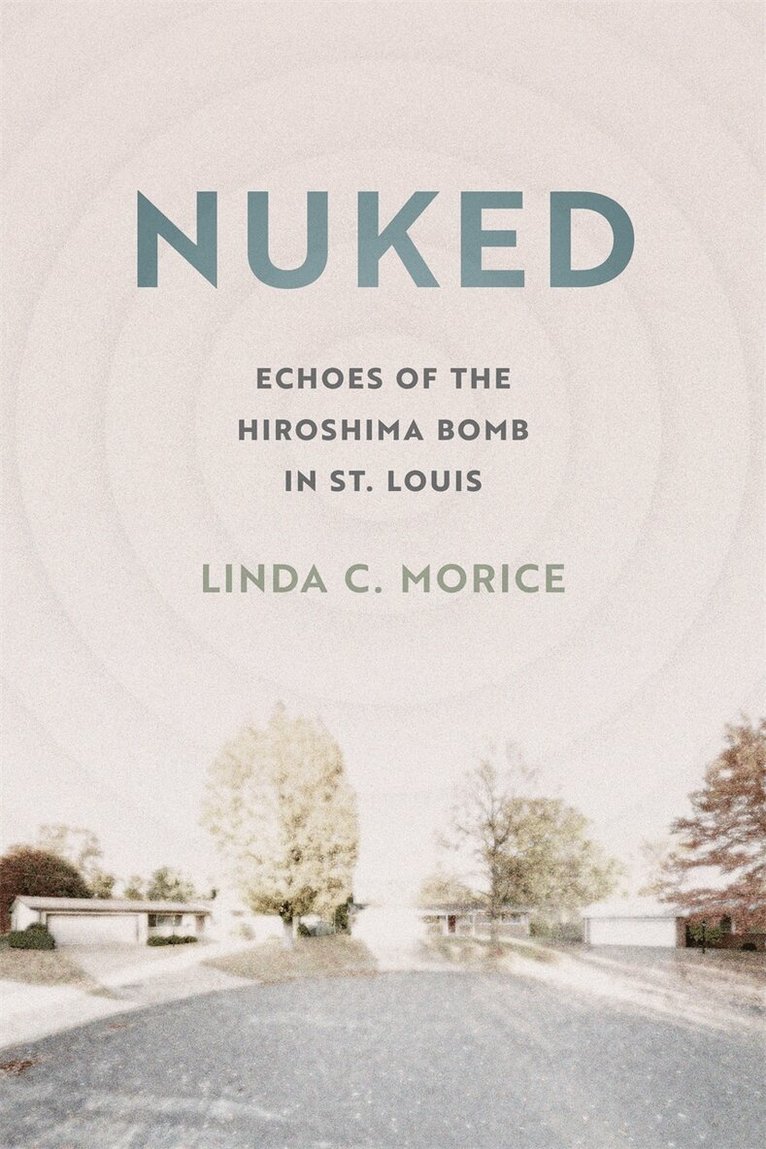
    Nuked

    Echoes of the Hiroshima Bomb in St. Louis

    AvLinda C. Morice

    Inbunden, Engelska, 2022

    2 049 kr

    Beställningsvara. Skickas inom 3-6 vardagar. Fri frakt över 249 kr.

    Fler format och utgåvor

    Häftad

    382 kr

    Beskrivning

    Nuked recounts the long-term effects of radiological exposure in St. Louis, Missouri—the city that refined uranium for the first self- sustaining nuclear reaction and the first atomic bomb. As part of the top-secret Manhattan Project during World War II, the refining created an enormous amount of radioactive waste that increased as more nuclear weapons were produced and stockpiled for the Cold War.Unfortunately, government officials deposited the waste on open land next to the municipal airport. An adjacent creek transported radionuclides downstream to the Missouri River, thereby contaminating St. Louis’s northern suburbs. Amid official assurances of safety, residents were unaware of the risks. The resulting public health crisis continues today with cleanup operations expected to last through the year 2038.Morice attributes the crisis to several factors. They include a minimal concern for land pollution; cutting corners to win the war; new homebuilding practices that spread radioactive dirt; insufficient reporting mechanisms for cancer; and a fragmented government that failed to respond to regional problems.

    Produktinformation

    • Utgivningsdatum:2022-12-01
    • Mått:152 x 229 x undefined mm
    • Format:Inbunden
    • Språk:Engelska
    • Antal sidor:218
    • Förlag:University of Georgia Press
    • ISBN:9780820363165

    Utforska kategorier

    • Kemi inom Naturvetenskap och teknik
    • Amerikas historia inom Historia och arkeologi
    • Sociala grupper och identitet inom Samhälle och politik

    Mer om författaren

    LINDA C. MORICE is professor emerita of educational leadership at Southern Illinois University, Edwardsville. Her publications include many articles in academic journals and three books: Flora White: In the Vanguard of Gender Equity; Coordinate Colleges for American Women: A Convergence of Interests, 1947–78; and a coedited volume, Life Stories: Exploring Issues in Educational History through Biography.

    Recensioner i media

    Nuked explores the painful and disturbing legacy of the atomic age in the suburbs of St. Louis. . . . The story of what happened there adds an important—and largely overlooked—dimension to the history of the atomic age.