• Fri frakt över 249 kr
  • •
  • Snabba leveranser
  • •
  • Billiga böcker
Kundservice

Du är på sajten för privatpersoner.

Företag, bibliotek eller offentlig verksamhet?

Du handlar på classic.bokus.com, där alla dina funktioner finns intakta.
Till classic.bokus.com
Bokus logotyp. Gå till startsidan.
  • Erbjudanden
  • Student
  • Topplistor
  • Barn & ungdom
  • Bokus Play
  • E-böcker
  • Ljudböcker
  • Pocketböcker
  • Spel och pussel

Pocketfynda! Hundratals böcker för 49 kr/st →

Sidfot

Mina sidor

    Hjälp

    • Kundservice
    • Vanliga frågor och svar
    • Frakt och leverans
    • Retur vid ångerrätt
    • Reklamera vara
    • Betalning
    • Köpvillkor
    • Allmänna villkor
    • Information om webbplatsens tillgänglighet

    Om Bokus

    • Om oss
    • Pressrum
    • För studenter
    • För företag
    • För bibliotek och offentlig verksamhet
    • För leverantörer
    • Hållbarhet

    Populärt

    • Aktuella erbjudanden
    • Presentkort
    • Studentlitteratur
    • Nya böcker
    • Topplistor
    • Signerade böcker
    • Engelska böcker

    Inspiration

    • Boktips
    • BookTok
    • Barnbokskaraktärer
    • Populära författare
    Logotyp för Bokus
    Följ oss på Facebook (extern länk)Följ oss på Instagram (extern länk)Följ oss på YouTube (extern länk)Följ oss på TikTok (extern länk)
    bokus @ CookiesAnpassa cookiesIntegritetspolicyKöpvillkor
    Till Citymail hemsida (extern länk)Till Budbee hemsida (extern länk)Till Postnord hemsida (extern länk)Till Schenker hemsida (extern länk)Till Early Bird hemsida (extern länk)Till Walleys hemsida (extern länk)
    1. Ekonomi och Ledarskap
    2. Nationalekonomi
    3. Internationell ekonomi

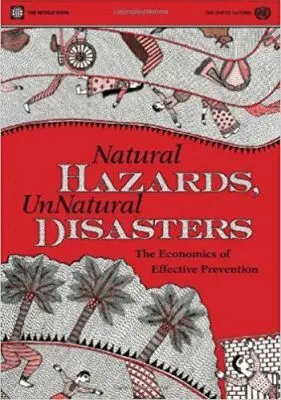
    Natural Hazards, UnNatural Disasters

    The Economics of Effective Prevention

    AvUnited Nations,World Bank

    Häftad, Engelska, 2010

    552 kr

    Beställningsvara. Skickas inom 5-8 vardagar. Fri frakt över 249 kr.

    Beskrivning

    Earthquakes, droughts, floods, and storms are natural hazards, but unnatural disasters are the deaths and damages that result from human acts of omission and commission. Every disaster is unique, but each exposes actions―by individuals and governments at different levels―that, had they been different, would have resulted in fewer deaths and less damage. Prevention is possible, and this book examines what it takes to do this cost-effectively.It looks at disasters primarily through an economic lens. Economists emphasize self-interest to explain how people choose the amount of prevention, insurance, and coping. But lenses can distort as well as sharpen images, so the book also draws from other disciplines: psychology to examine how people may misperceive risks, political science to understand voting patterns, and nutrition science to see how stunting in children after a disaster impairs cognitive abilities and productivity as adults much later. Peering into the future, it shows that while urbanization and climate change will increase exposure to hazards, vulnerability can be reduced if cities are better managed.This book will be of interest to government officials, urban planners, relief agencies, NGOs, donors, and other development practitioners .

    Produktinformation

    • Utgivningsdatum:2010-11-30
    • Mått:177 x 251 x 20 mm
    • Vikt:580 g
    • Format:Häftad
    • Språk:Engelska
    • Antal sidor:276
    • Förlag:World Bank Publications
    • ISBN:9780821380505

    Utforska kategorier

    • Internationell ekonomi inom Ekonomi och Ledarskap
    • Miljövetenskap och miljöpolitik inom Naturvetenskap och teknik

    Recensioner i media

    A remarkable combination of case studies, data on many scales, and application of economic principles.… [this report] provides a deep understanding of the relative roles of the market, government intervention, and social institutions in determining and improving both the prevention and the response to hazardous occurrences." —Kenneth J. Arrow, Nobel Prize in Economics, 1972"I strongly recommend this book to non-economists as well as economists, and to government officials who must cope with floods, oil spills, earthquakes, and other disasters." —Gary S. Becker, Nobel Prize in Economics, 1992"Fascinating and right on target…. You are doing very important work." —Elinor Ostrom, Nobel Prize in Economics, 2009