• Fri frakt över 249 kr
  • •
  • Snabba leveranser
  • •
  • Billiga böcker
Kundservice

Du är på sajten för privatpersoner.

Företag, bibliotek eller offentlig verksamhet?

Du handlar på classic.bokus.com, där alla dina funktioner finns intakta.
Till classic.bokus.com
Bokus logotyp. Gå till startsidan.
  • Erbjudanden
  • Nyheter
  • Student
  • Topplistor
  • Barn & ungdom
  • Bokus Play
  • E-böcker
  • Pocketböcker
  • Spel & pussel

10% rabatt på allt med kod: NYSTART10 →

Sidfot

Mina sidor

    Hjälp

    • Kundservice
    • Vanliga frågor och svar
    • Frakt och leverans
    • Retur vid ångerrätt
    • Reklamera vara
    • Betalning
    • Köpvillkor
    • Allmänna villkor
    • Information om webbplatsens tillgänglighet

    Om Bokus

    • Om oss
    • Pressrum
    • För studenter
    • För företag
    • För bibliotek och offentlig verksamhet
    • För leverantörer
    • Hållbarhet

    Populärt

    • Aktuella erbjudanden
    • Presentkort
    • Studentlitteratur
    • Nya böcker
    • Topplistor
    • Signerade böcker
    • Engelska böcker

    Inspiration

    • Boktips
    • BookTok
    • Populära bokserier
    • Barnbokskaraktärer
    • Populära författare
    Logotyp för Bokus
    Följ oss på Facebook (extern länk)Följ oss på Instagram (extern länk)Följ oss på YouTube (extern länk)Följ oss på TikTok (extern länk)
    bokus @ CookiesAnpassa cookiesIntegritetspolicyKöpvillkor
    Till Citymail hemsida (extern länk)Till Budbee hemsida (extern länk)Till Postnord hemsida (extern länk)Till Schenker hemsida (extern länk)Till Early Bird hemsida (extern länk)Till Walleys hemsida (extern länk)
    1. Samhälle och politik
    2. Samhälle och kultur
    3. Kultur och medier
    4. Kulturvetenskap

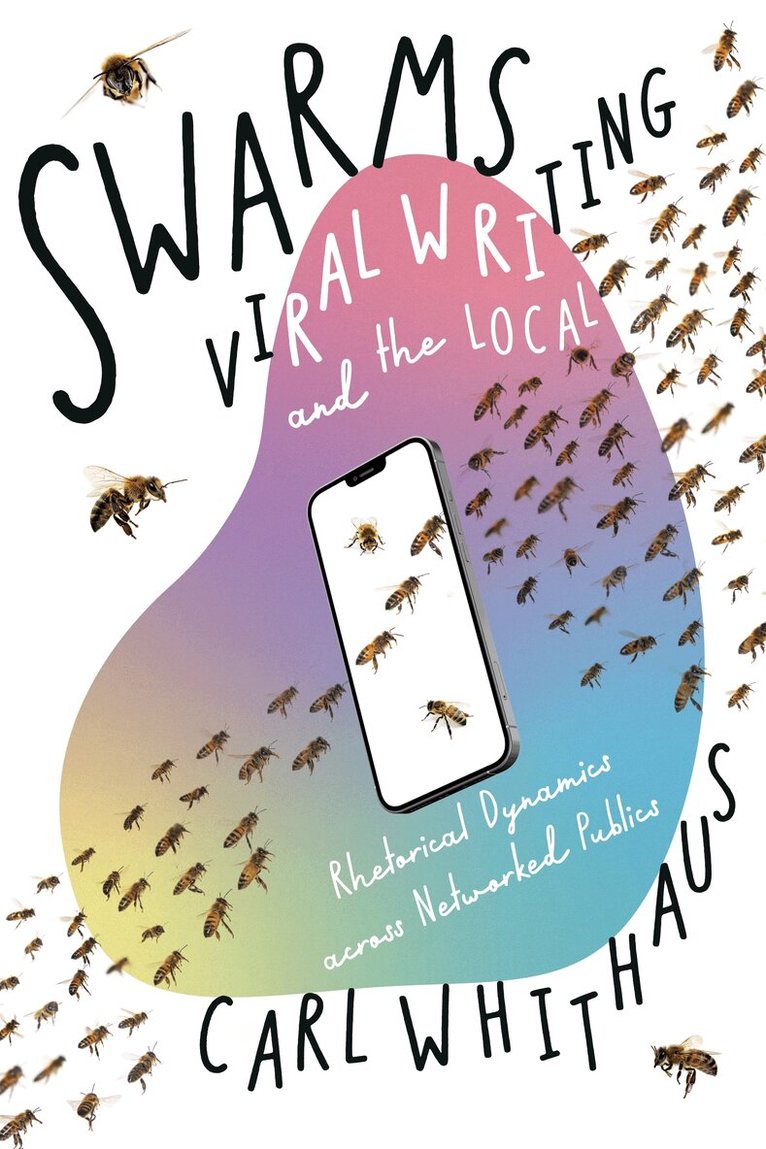
    Swarms, Viral Writing, and the Local

    Rhetorical Dynamics across Networked Publics

    AvCarl Whithaus

    Inbunden, Engelska, 2025

    Del i serien Composition, Literacy, and Culture

    808 kr

    Beställningsvara. Skickas inom 3-6 vardagar. Fri frakt över 249 kr.

    Beskrivning

    Swarms, Viral Writing, and the Local examines the social and rhetorical dynamics around emerging writing technologies. Carl Whithaus argues that these dynamics work across networked publics as patterns of behavior and ways of interacting through and with multimodal texts. This rhetorical analysis of the production and reception of born-digital rhetoric shows the ongoing and evolving impacts of online public discourse that can lead to bad restaurant reviews or the subversion of democracy. It is a networked process that gains significance because of the interplay and tensions between the global and the local. As these texts are created, distributed, received, and then recreated and shared again in viral ways, different messages resonate across media ecologies. Whithaus documents how emerging social dynamics shape—and are shaped by—digital writing, reading, and distribution technologies.

    Produktinformation

    • Utgivningsdatum:2025-04-15
    • Mått:152 x 229 x 35 mm
    • Vikt:736 g
    • Format:Inbunden
    • Språk:Engelska
    • Serie:Composition, Literacy, and Culture
    • Antal sidor:424
    • Förlag:University of Pittsburgh Press
    • ISBN:9780822947950

    Utforska kategorier

    • Kulturvetenskap inom Samhälle och politik
    • Språkvetenskap och lingvistik inom Språk och ordböcker

    Mer om författaren

    Carl Whithaus is a professor of writing and rhetoric at the University of California, Davis. He studies writing technologies and digital cultures, edits the Journal of Writing Assessment, and works on a variety of projects related to writing in the sciences, engineering, and agriculture. His books include Multimodal Literacies and Emerging Genres, Writing across Distances and Disciplines: Research and Pedagogy in Distributed Learning, and Teaching and Evaluating Writing in the Age of Computers and High-Stakes Testing.

    Recensioner i media

    Swarms, Viral Writing, and the Local revitalizes our understanding of what writing is and does in the world. The focus of this astute and timely book might be on digital forms of communication, but the case studies and analyses in it have ramifications for our understanding of writing-writ-large. By tracing the ways different forms of writing emerge in situ and in deep interrelation with writers’ sense of agency, audience demands, platform pressures, and the uptake and redistribution of a range of communication activities, Whithaus offers us one of the most sophisticated understandings of how writers write in the world today. As never before, we never write alone. Writing is always already embedded in webs, networks, swarms, and viral redistributions that demand rethinking what writing is and what it means to be literate today.