• Fri frakt över 249 kr
  • •
  • Snabba leveranser
  • •
  • Billiga böcker
Kundservice

Du är på sajten för privatpersoner.

Företag, bibliotek eller offentlig verksamhet?

Du handlar på classic.bokus.com, där alla dina funktioner finns intakta.
Till classic.bokus.com
Bokus logotyp. Gå till startsidan.
  • Erbjudanden
  • Nyheter
  • Student
  • Topplistor
  • Barn & ungdom
  • Bokus Play
  • E-böcker
  • Pocketböcker
  • Spel & pussel

10% rabatt på allt med kod NYSTART10 →

Sidfot

Mina sidor

    Hjälp

    • Kundservice
    • Vanliga frågor och svar
    • Frakt och leverans
    • Retur vid ångerrätt
    • Reklamera vara
    • Betalning
    • Köpvillkor
    • Allmänna villkor
    • Information om webbplatsens tillgänglighet

    Om Bokus

    • Om oss
    • Pressrum
    • För studenter
    • För företag
    • För bibliotek och offentlig verksamhet
    • För leverantörer
    • Hållbarhet

    Populärt

    • Aktuella erbjudanden
    • Presentkort
    • Studentlitteratur
    • Nya böcker
    • Topplistor
    • Signerade böcker
    • Engelska böcker

    Inspiration

    • Boktips
    • BookTok
    • Populära bokserier
    • Barnbokskaraktärer
    • Populära författare
    Logotyp för Bokus
    Följ oss på Facebook (extern länk)Följ oss på Instagram (extern länk)Följ oss på YouTube (extern länk)Följ oss på TikTok (extern länk)
    bokus @ CookiesAnpassa cookiesIntegritetspolicyKöpvillkor
    Till Citymail hemsida (extern länk)Till Budbee hemsida (extern länk)Till Postnord hemsida (extern länk)Till Schenker hemsida (extern länk)Till Early Bird hemsida (extern länk)Till Walleys hemsida (extern länk)
    1. Samhälle och politik
    2. Samhälle och kultur
    3. Sociala och etiska frågor
    4. Migration

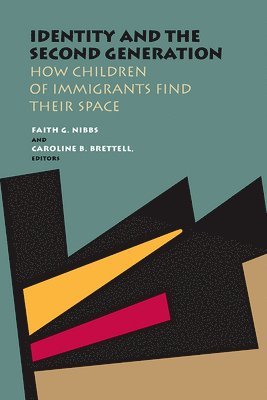
    Identity and the Second Generation

    How Children of Immigrants Find Their Space

    AvFaith G. Nibbs,Caroline B. Brettell

    Häftad, Engelska, 2016

    583 kr

    Beställningsvara. Skickas inom 5-8 vardagar. Fri frakt över 249 kr.

    Beskrivning

    Most recently, Americans have become familiar with the term ""second generation"" as it's applied to children of immigrants who now find themselves citizens of a nation built on the notion of assimilation. This common, worldwide experience is the topic of study in Identity and the Second Generation. These children test and explore the definition of citizenship and their cultural identity through the outlets provided by the Internet, social media, and local community support groups. All these factors complicate the ideas of boundaries and borders, of citizenship, and even of home. Indeed, the second generation is a global community and endeavors to make itself a home regardless of state or citizenship.This book explores the social worlds of the children of immigrants. Based on rich ethnographic research, the contributors illustrate how these young people, the so-called second generation, construct and negotiate their lives. Ultimately, the driving question is profoundly important on a universal level: How do these young people construct an identity and a sense of belonging for themselves, and how do they deal with processes of inclusion and exclusion?

    Produktinformation

    • Utgivningsdatum:2016-04-04
    • Mått:178 x 254 x 15 mm
    • Vikt:426 g
    • Format:Häftad
    • Språk:Engelska
    • Antal sidor:240
    • Förlag:Vanderbilt University Press
    • ISBN:9780826520692

    Utforska kategorier

    • Migration inom Samhälle och politik
    • Sociala grupper och identitet inom Samhälle och politik

    Mer om författaren

    Faith G. Nibbs is Assistant Research Professor and Director of the Forced Migration Innovation Project at Southern Methodist University, USA. She is coeditor of Claiming Place: Hmong Women, Power, and Knowledge Production.Caroline B. Brettell is University Distinguished Professor of Anthropology and Ruth Collins Altshuler Director of the Dedman College Interdisciplinary Institute at Southern Methodist University, USA. She is coeditor of Migration Theory: Talking across Disciplines.

    Recensioner i media

    "Identity and the Second Generation paves the way to an acceptance of the position that does not stress assimilation, but shows how second-generation immigrant youth are forging transnational relationships and strategies that perpetuate language and cultural retention. There is much here that is relevant for immigration policy, especially since there are forces for change as well as retrenchment in both Europe and North America. First and foremost is changing the notion that the integration of immigrant communities, including the second generation, depends on assimilation rather than the possibility that dual or hybrid identities . . . can contribute to a vibrant twenty-first century nation-state."--Louise Lamphere, from the Afterword