• Fri frakt över 249 kr
  • •
  • Snabba leveranser
  • •
  • Billiga böcker
Kundservice

Du är på sajten för privatpersoner.

Företag, bibliotek eller offentlig verksamhet?

Du handlar på classic.bokus.com, där alla dina funktioner finns intakta.
Till classic.bokus.com
Bokus logotyp. Gå till startsidan.
  • Erbjudanden
  • Student
  • Topplistor
  • Barn & ungdom
  • Bokus Play
  • E-böcker
  • Ljudböcker
  • Pocketböcker
  • Spel & pussel

Upp till 25% på utvalda nyheter →

Sidfot

Mina sidor

    Hjälp

    • Kundservice
    • Vanliga frågor och svar
    • Frakt och leverans
    • Retur vid ångerrätt
    • Reklamera vara
    • Betalning
    • Köpvillkor
    • Allmänna villkor
    • Information om webbplatsens tillgänglighet

    Om Bokus

    • Om oss
    • Pressrum
    • För studenter
    • För företag
    • För bibliotek och offentlig verksamhet
    • För leverantörer
    • Hållbarhet

    Populärt

    • Aktuella erbjudanden
    • Presentkort
    • Studentlitteratur
    • Nya böcker
    • Topplistor
    • Signerade böcker
    • Engelska böcker

    Inspiration

    • Boktips
    • BookTok
    • Populära bokserier
    • Barnbokskaraktärer
    • Populära författare
    Logotyp för Bokus
    Följ oss på Facebook (extern länk)Följ oss på Instagram (extern länk)Följ oss på YouTube (extern länk)Följ oss på TikTok (extern länk)
    bokus @ CookiesAnpassa cookiesIntegritetspolicyKöpvillkor
    Till Citymail hemsida (extern länk)Till Budbee hemsida (extern länk)Till Postnord hemsida (extern länk)Till Schenker hemsida (extern länk)Till Early Bird hemsida (extern länk)Till Walleys hemsida (extern länk)
    1. Samhälle och politik
    2. Samhälle och kultur
    3. Kultur och medier
    4. Referensverk och tvärvetenskap

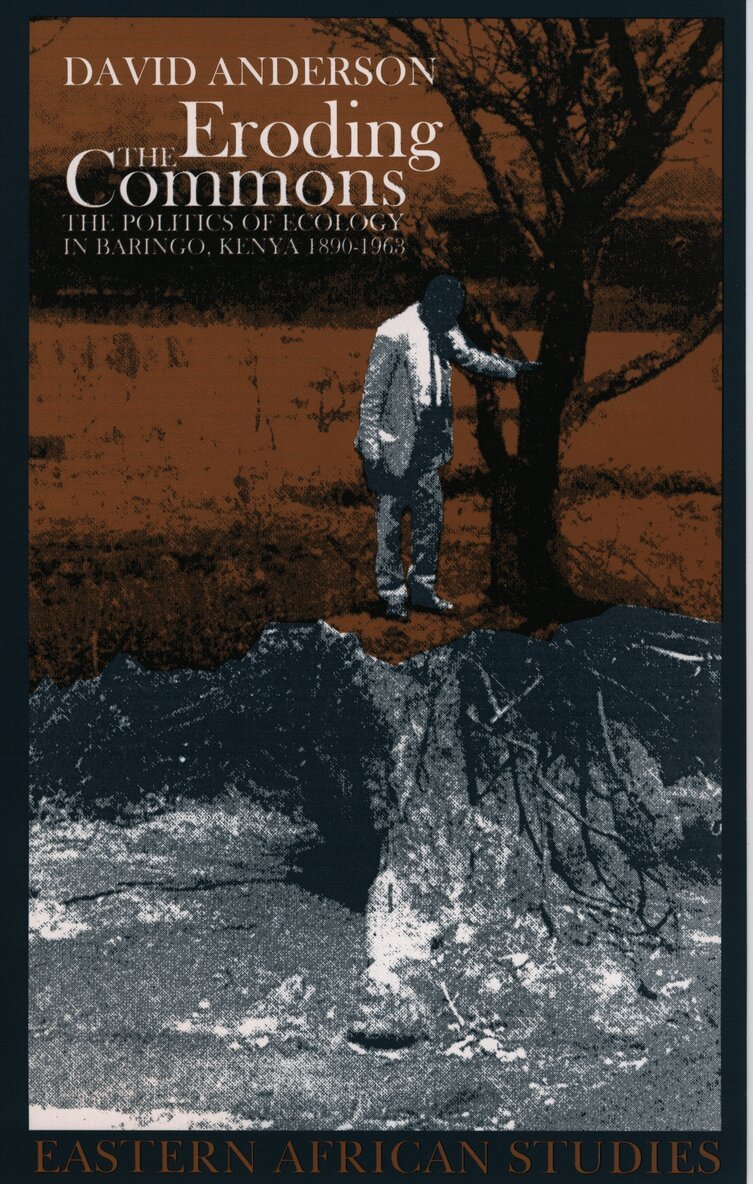
    Eroding the Commons

    The Politics of Ecology in Baringo, Kenya 1890s-1963

    AvDavid M. Anderson

    Häftad, Engelska, 2002

    Del i serien Eastern African Studies

    352 kr

    Beställningsvara. Skickas inom 10-15 vardagar. Fri frakt över 249 kr.

    Beskrivning

    Understanding colonial ideologies is central to understanding development across Africa.Colonial Baringo was in many respects an unexceptional place, a backwater in the semi-arid Rift Valley of Kenya, lacking in cash crops and distant from larger markets. But in the middle years of colonial rule Baringo's anonymity gave way to notoriety. Prolonged drought and localized famine in the district from the mid-1920s led to claims that Baringo was a land of dramatic decay, brought on by overcrowding and livestock mismanagement. In response to the alarm over erosion, the state embarked upon a programme for rehabilitation, conservation and development.Baringo's experience became a point of reference for similar programmes elsewhere in British Africa, especially in the 1950s when state-led rural development encompassed not just economic growth but an accelerated transformation of African society. The politics of African nationalism was fuelled by opposition to colonial development policies, and inBaringo the politics of the nationalist era was the politics of ecology. The longevity of colonial interventions in Baringo provides an excellent focus for the study of the broader evolution of colonial ideologies and practices of development. These ideologies and practices are fundamental to an understanding of the history of development in all parts of Africa.North America: Ohio U Press; Kenya: EAEP

    Produktinformation

    • Utgivningsdatum:2002-10-17
    • Mått:138 x 216 x 22 mm
    • Vikt:438 g
    • Format:Häftad
    • Språk:Engelska
    • Serie:Eastern African Studies
    • Antal sidor:320
    • Förlag:James Currey
    • ISBN:9780852554685

    Utforska kategorier

    • Referensverk och tvärvetenskap inom Samhälle och politik
    • Miljövetenskap och miljöpolitik inom Naturvetenskap och teknik

    Recensioner i media

    ...an exceptional study... one of a handful of such studies that have important things to say to wider non-specialist audiences: to historians of empire interested in the commonalities of a world-wide imperial project; and to those in the development community who accept that, if rural development is to have a future, its past must be fully acknowledged and understood...Eroding the Commons challenges historians' as well as developers' narratives by confronting us with complexity. Officials and settlers were mostly reluctant oppressors and the Tuken were not the inept pastoralists that the narrative insisted that they must be. There were and are no easy answers to development, in Baringo or elsewhere, but there is now a clear, informed and thoughtful account of its history.

    Innehållsförteckning

    • Development, environment & colonial history - Baringo in the nineteenth century, c. 1840-1900 - Lines on a map: moving frontiers c. 1900-20 - Kiplel kowo, 'the white bones': drought & depression 1917-39 - The Baringo range war 1918-48 - Grazing, goats & responsible government: the Kenya Land Commission 1932-4 - Reconditioning the range: the emerging politics of ecology 1930-40s - The politics of property: African land development in Baringo 1948-63 - The captured forest: Lembus 1904-63 - Watering the shamba: the Perkerra irrigation scheme, 1952-63 - Colonial development in lowland Baringo: misreading history - Appendix, the Baringo historical texts - Bibliography