• Fri frakt över 249 kr
  • •
  • Snabba leveranser
  • •
  • Billiga böcker
Kundservice

Du är på sajten för privatpersoner.

Företag, bibliotek eller offentlig verksamhet?

Du handlar på classic.bokus.com, där alla dina funktioner finns intakta.
Till classic.bokus.com
Bokus logotyp. Gå till startsidan.
  • Erbjudanden
  • Nyheter
  • Student
  • Topplistor
  • Barn & ungdom
  • Bokus Play
  • E-böcker
  • Pocketböcker
  • Spel & pussel

10% rabatt på allt med kod NYSTART10 →

Sidfot

Mina sidor

    Hjälp

    • Kundservice
    • Vanliga frågor och svar
    • Frakt och leverans
    • Retur vid ångerrätt
    • Reklamera vara
    • Betalning
    • Köpvillkor
    • Allmänna villkor
    • Information om webbplatsens tillgänglighet

    Om Bokus

    • Om oss
    • Pressrum
    • För studenter
    • För företag
    • För bibliotek och offentlig verksamhet
    • För leverantörer
    • Hållbarhet

    Populärt

    • Aktuella erbjudanden
    • Presentkort
    • Studentlitteratur
    • Nya böcker
    • Topplistor
    • Signerade böcker
    • Engelska böcker

    Inspiration

    • Boktips
    • BookTok
    • Populära bokserier
    • Barnbokskaraktärer
    • Populära författare
    Logotyp för Bokus
    Följ oss på Facebook (extern länk)Följ oss på Instagram (extern länk)Följ oss på YouTube (extern länk)Följ oss på TikTok (extern länk)
    bokus @ CookiesAnpassa cookiesIntegritetspolicyKöpvillkor
    Till Citymail hemsida (extern länk)Till Budbee hemsida (extern länk)Till Postnord hemsida (extern länk)Till Schenker hemsida (extern länk)Till Early Bird hemsida (extern länk)Till Walleys hemsida (extern länk)
    1. Kultur
    2. Scenkonst och film
    3. Film

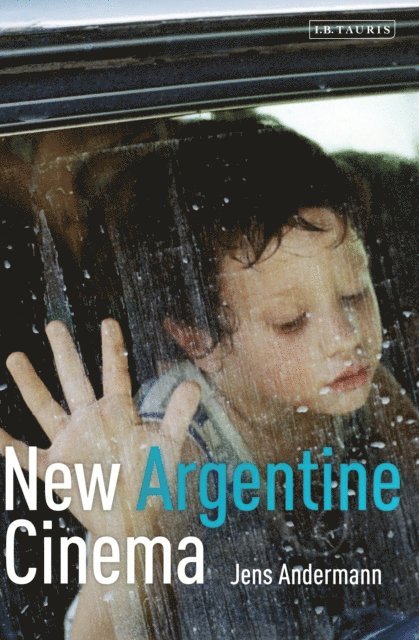
    New Argentine Cinema

    AvJens Andermann

    E-bok
    PDF, Engelska, 2011

    Del i serien World Cinema

    404 kr

    Läs direkt i Bokus Reader – eller ladda ned till din enhet (PDF kräver ofta zoom och scroll på små skärmar).

    Fler format och utgåvor

    Häftad

    368 kr

    Beskrivning

    Argentine filmmaking from the mid-1990s to the present has enjoyed worldwide success. New Argentine Cinema explores this cinema in order to discover the elements that have made for this success, in relation to the country's profound political, social and cultural crisis during the same period. Jens Andermann shows how the most recent wave of films differs markedly from the Argentine cinema of the preceding decade, following the end of the dictatorship in 1983. Studying films by Lisandro Alonso, Albertina Carri, Lucrecia Martel, Raul Perrone, Martin Rejtman, and Pablo Trapero, among others, he identifies a shift in aesthetic sensibilities between these directors and those of the previous generation as well as a profound change in the way films are being made, and their relation to the audiovisual field at large. In combining close comparative analyses with a review of the changing models of production, editing, actorship and location, Andermann uncovers the ways in which Argentine films have managed to construct a complex, multilayered account of their own present, as shot through - or 'perforated' - by the still unresolved legacies of the past.

    Produktinformation

    • Utgivningsdatum:2011-11-30
    • Språk:Engelska
    • Antal sidor:232
    • Filformat:PDF
    • Kopieringsskydd:LCP
    • ISBN:9780857720894
    • Förlag:Bloomsbury Publishing PLC
    • Serie:World Cinema

    Utforska kategorier

    • Film inom Kultur
    • Amerikas historia inom Historia och arkeologi

    Mer om författaren

    Jens Andermann is Professor of Latin American and Luso-Brazilian Studies at Birkbeck College, University of London and an editor of the Journal of Latin American Cultural Studies. He has published widely on Latin American visual, literary and material culture, including the books The Optic of the State: Visuality and Power in Argentina and Brazil (2007) and Mapas de poder: Una arqueologia literaria del espacio argentino (2000).

    Innehållsförteckning

    • ContentsAcknowledgementsIntroductionChapter 1Transitions: How Argentine Film Survived the NinetiesChapter 2Locating Crisis: Compositions of the UrbanChapter 3Margins of Realism: Exploring the Contemporary LandscapeChapter 4Perforated Presence: the Documentary Between the Self and the SceneChapter 5Embodiments: Genre and PerformanceChapter 6Accidents and Miracles: Film and the Experience of HistoryFilmographyIndex