• Fri frakt över 249 kr
  • •
  • Snabba leveranser
  • •
  • Billiga böcker
Kundservice

Du är på sajten för privatpersoner.

Företag, bibliotek eller offentlig verksamhet?

Du handlar på classic.bokus.com, där alla dina funktioner finns intakta.
Till classic.bokus.com
Bokus logotyp. Gå till startsidan.
  • Erbjudanden
  • Nyheter
  • Student
  • Topplistor
  • Barn & ungdom
  • Bokus Play
  • E-böcker
  • Pocketböcker
  • Spel & pussel

10% rabatt på allt med kod: NYSTART10 →

Sidfot

Mina sidor

    Hjälp

    • Kundservice
    • Vanliga frågor och svar
    • Frakt och leverans
    • Retur vid ångerrätt
    • Reklamera vara
    • Betalning
    • Köpvillkor
    • Allmänna villkor
    • Information om webbplatsens tillgänglighet

    Om Bokus

    • Om oss
    • Pressrum
    • För studenter
    • För företag
    • För bibliotek och offentlig verksamhet
    • För leverantörer
    • Hållbarhet

    Populärt

    • Aktuella erbjudanden
    • Presentkort
    • Studentlitteratur
    • Nya böcker
    • Topplistor
    • Signerade böcker
    • Engelska böcker

    Inspiration

    • Boktips
    • BookTok
    • Populära bokserier
    • Barnbokskaraktärer
    • Populära författare
    Logotyp för Bokus
    Följ oss på Facebook (extern länk)Följ oss på Instagram (extern länk)Följ oss på YouTube (extern länk)Följ oss på TikTok (extern länk)
    bokus @ CookiesAnpassa cookiesIntegritetspolicyKöpvillkor
    Till Citymail hemsida (extern länk)Till Budbee hemsida (extern länk)Till Postnord hemsida (extern länk)Till Schenker hemsida (extern länk)Till Early Bird hemsida (extern länk)Till Walleys hemsida (extern länk)
    1. Historia och arkeologi
    2. Historia
    3. Allmän historia och världshistoria

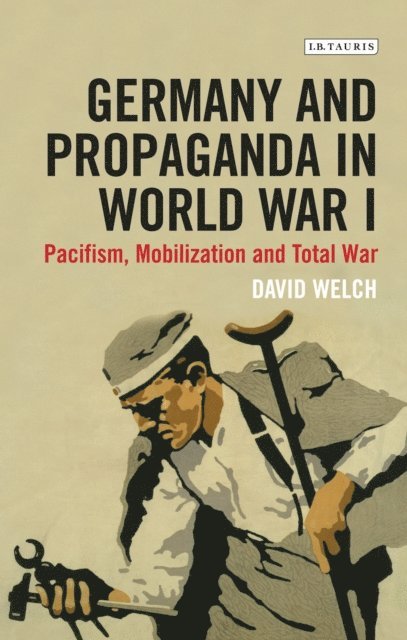
    Germany and Propaganda in World War I

    Pacifism, Mobilization and Total War

    AvDavid Welch

    E-bok
    Engelska, 2014

    420 kr

    Läs direkt i Bokus Reader – eller ladda ned till din enhet

    Fler format och utgåvor

    Häftad

    388 kr

    E-bok

    420 kr

    Beskrivning

    Adolf Hitler, writing in Mein Kampf, was scathing in his condemnation of German propaganda in World War I, declaring that Germany failed to recognise that the mobilization of public opinion was a weapon of the first order. This, despite the fact that propaganda had been regarded by the German leadership, arguably for the first time, as an intrinsic part of the war effort. In this book, David Welch fully examines German society - politics, propaganda, public opinion and total war - in the Great War. Drawing on a wide range of sources - posters, newspapers, journals, film, Parliamentary debates, police and military reports and private papers - he argues that the moral collapse of Germany was due less to the failure to disseminate propaganda than to the inability of the military authorities and the Kaiser to reinforce this propaganda, and to acknowledge the importance of public opinion in forging an effective link between leadership and the people.

    Produktinformation

    • Utgivningsdatum:2014-08-01
    • Språk:Engelska
    • Antal sidor:384
    • Filformat:EPUB
    • Kopieringsskydd:LCP
    • ISBN:9780857736116
    • Förlag:Bloomsbury Publishing PLC

    Utforska kategorier

    • Allmän historia och världshistoria inom Historia och arkeologi
    • Europas historia inom Historia och arkeologi
    • Första världskriget inom Historia och arkeologi

    Mer om författaren

    David Welch is Professor of Modern History and Director of the Centre for the Study of War, Propaganda and Society at University of Kent, UK. His publications include Propaganda, Power and Persuasion: From the First World War to WikiLeaks ; War and the Media: The Changing Context of Reportage and Propaganda, 1900-2003 ; Propaganda and the German Cinema, 1933-1945 (all I.B.Tauris).

    Innehållsförteckning

    • Preface to the paperback editionIntroductionDays of Decision: Germany on the Eve of WarThe Mobilization of the MassesWar AimsThe Crucible of WarDissenting Voices: Pacifism, Feminist Ferment and the Women's MovementWar Aims AgainCivilians 'Fall-In'Defeat and revolutionConclusion: 'The Sins of Omission'