• Fri frakt över 249 kr
  • •
  • Snabba leveranser
  • •
  • Billiga böcker
Kundservice

Du är på sajten för privatpersoner.

Företag, bibliotek eller offentlig verksamhet?

Du handlar på classic.bokus.com, där alla dina funktioner finns intakta.
Till classic.bokus.com
Bokus logotyp. Gå till startsidan.
  • Erbjudanden
  • Nyheter
  • Student
  • Topplistor
  • Barn & ungdom
  • Bokus Play
  • E-böcker
  • Pocketböcker
  • Spel & pussel

Må bättre, för mindre! Upp till 50% rabatt på hälsoböcker

Sidfot

Mina sidor

    Hjälp

    • Kundservice
    • Vanliga frågor och svar
    • Frakt och leverans
    • Retur vid ångerrätt
    • Reklamera vara
    • Betalning
    • Köpvillkor
    • Allmänna villkor
    • Information om webbplatsens tillgänglighet

    Om Bokus

    • Om oss
    • Pressrum
    • För studenter
    • För företag
    • För bibliotek och offentlig verksamhet
    • För leverantörer
    • Hållbarhet

    Populärt

    • Aktuella erbjudanden
    • Presentkort
    • Studentlitteratur
    • Nya böcker
    • Topplistor
    • Signerade böcker
    • Engelska böcker

    Inspiration

    • Boktips
    • BookTok
    • Populära bokserier
    • Barnbokskaraktärer
    • Populära författare
    Logotyp för Bokus
    Följ oss på Facebook (extern länk)Följ oss på Instagram (extern länk)Följ oss på YouTube (extern länk)Följ oss på TikTok (extern länk)
    bokus @ CookiesAnpassa cookiesIntegritetspolicyKöpvillkor
    Till Citymail hemsida (extern länk)Till Budbee hemsida (extern länk)Till Postnord hemsida (extern länk)Till Schenker hemsida (extern länk)Till Early Bird hemsida (extern länk)Till Walleys hemsida (extern länk)
    1. Historia och arkeologi
    2. Historia
    3. Europas historia
    4. Medeltiden

    Studies on the History and Topography of Byzantine Constantinople

    AvPaul Magdalino

    Inbunden, Engelska, 2007

    Del i serien Variorum Collected Studies

    2 493 kr

    Beställningsvara. Skickas inom 10-15 vardagar. Fri frakt över 249 kr.

    Beskrivning

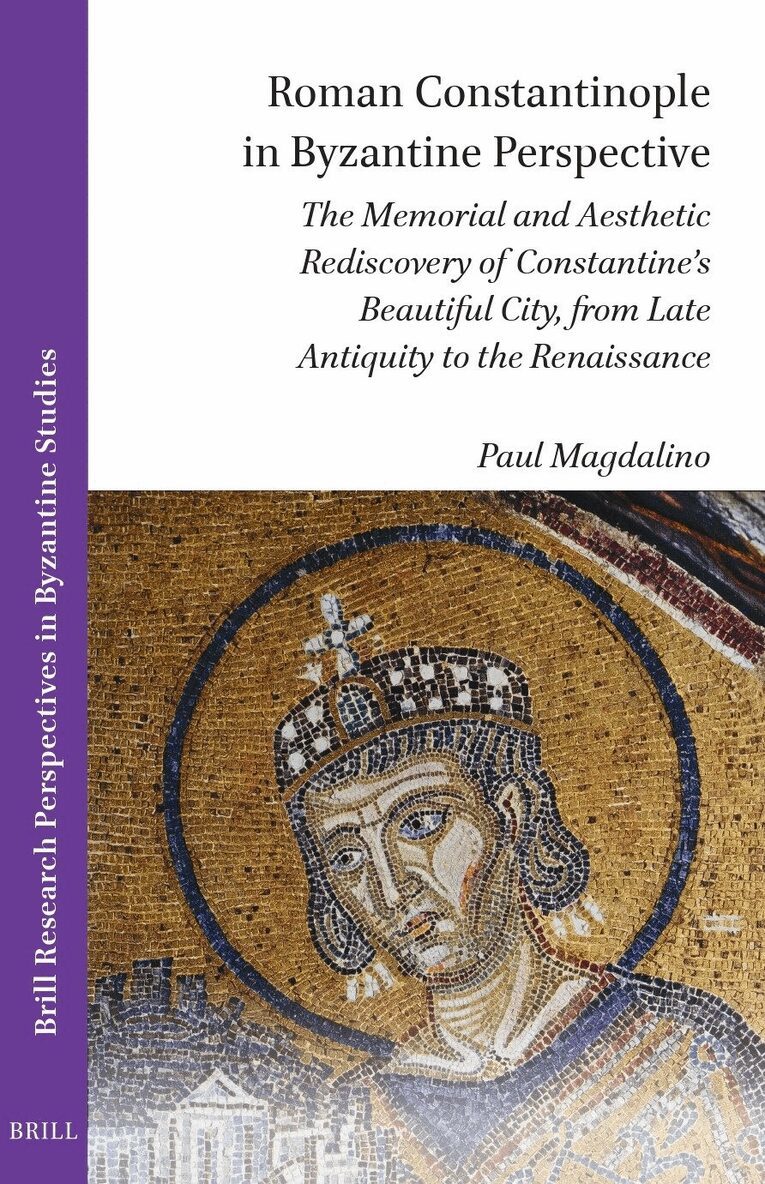
    Constantinople originated in 330 A.D. as the last great urban foundation of the ancient world. When it was sacked by the Fourth Crusade in 1204 it was the greatest city of the European Middle Ages. Its transition from the one to the other was determined partly by its continuous function as an imperial capital, partly by the steady proliferation of churches, monasteries, and Christian philanthropic institutions, and partly by the widespread urban disruption and depopulation that affected what was left of the Roman Empire in the east from the sixth to the eighth centuries. The studies in the present volume examine aspects of this long and complex process as reflected in the topography, monuments, self-image and political status of medieval Constantinople. They include a revised English version of a monograph published in French ten years ago, nine reprinted articles, and two published here for the first time.

    Produktinformation

    • Utgivningsdatum:2007-08-28
    • Mått:150 x 224 x undefined mm
    • Vikt:560 g
    • Format:Inbunden
    • Språk:Engelska
    • Serie:Variorum Collected Studies
    • Antal sidor:332
    • Förlag:Taylor & Francis Ltd
    • ISBN:9780860789994

    Utforska kategorier

    • Medeltiden inom Historia och arkeologi

    Mer om författaren

    Paul Magdalino is the Bishop Wardlaw Professor of Byzantine History at the University of St Andrews, Scotland.

    Recensioner i media

    ’Throughout the collection what impresses is Magdalino’s range as a scholar, as he crosses the borders of traditional subjects and disciplines. ...His skill in avoiding both wild surmise and pedantic nitpicking to arrive at conclusions that are realistic and satisfying will ensure that this book will be off the shelf and in the hands of scholars and students for many years to come.’ English Historical Review

    Innehållsförteckning

    • Contents: Introduction; Medieval Constantinople; Aristocratic oikoi in the 10th and 11th regions of Constantinople; The maritime neighbourhoods of Constantinople: commercial and residential functions, 6th to 12th centuries; Constantine V and the middle age of Constantinople; Observations on the Nea Ekklesia of Basil I; Basil I, Leo VI and the feast of the Prophet Elijah; The Evergetis fountain in the early 13th century: an ekphrasis of the paintings in the cupola (with Lyn Rodley); Constantinopolitana; The grain supply of Constantinople, 9th to 12th centuries; Constantinople and the 'exo chorai' in the time of Balsamon; Constantinople and the outside world; Pseudo-Kodinos' Constantinople; Addenda; Bibliography; Indexes.